Why we’re ditching ovens for IR lamps in the cleanroom
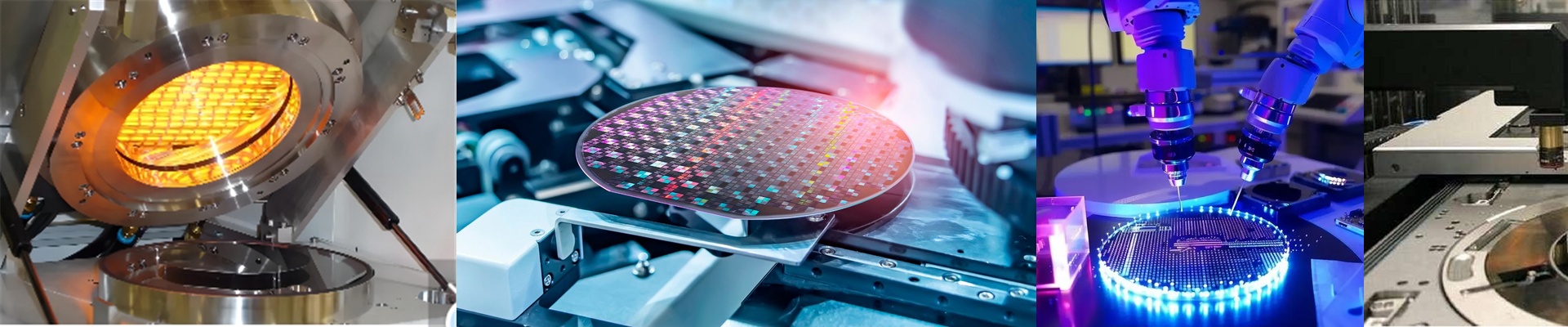
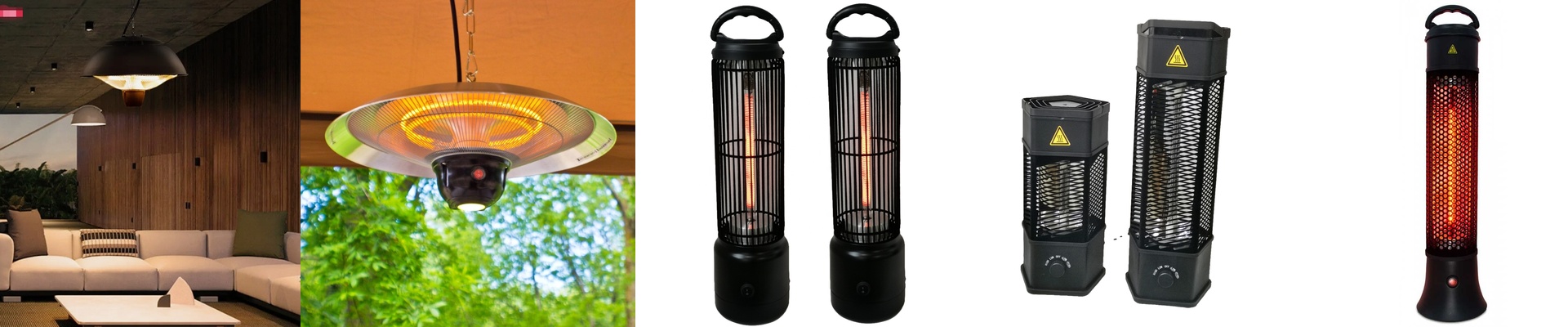
If you’re still using those big convection ovens for drying and curing semiconductors, you know the drill. They’re slow, they’re bulky, and they eat power for breakfast. We’ve been moving toward IR (infrared) bench lamps instead, and honestly, it just makes more sense. It’s not just about following “green” or “lead-free” rules. It’s about actually getting the job done without messing up your wafers or running up a massive electricity bill.
Cutting out the middleman
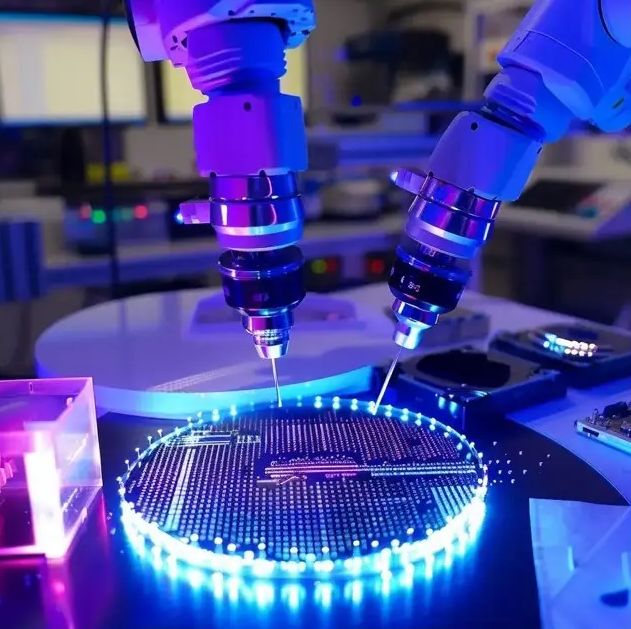
Think about how a convection oven works. It heats the air, then the air heats your part. It’s a slow process. IR is different. It’s direct. The electromagnetic radiation hits the substrate immediately. We call it “selective heating,” but really, it just means you’re heating the thing you actually want to heat, not the entire room. Plus, you don’t need those giant airflow systems that tend to kick up dust and particles. Your cleanroom stays clean, and your stress levels stay low.
Dealing with lead-free standards
Going lead-free means you need higher temperatures and much tighter thermal profiles. That’s where IR really shines. You can ramp up to those high temps in seconds. No more waiting around for a massive oven to idle at 250°C for hours. You flip a switch, the lamp hits the mark, and you’re done. It’s a huge win for your energy bill.
The tricky parts (and how to fix them)
Now, it’s not all magic. High-intensity IR lamps put out a lot of heat in a very small space. If your cooling isn’t dialed in—I’m talking heat sinks and exhaust fans—the area around your bench will start to feel like a sauna. That’s a problem if you have sensitive sensors nearby. My advice? Throw in a PID controller. It stops the temperature from overshooting so you don’t accidentally scorch your substrate. And here’s a nice bonus: switching to IR lets you drop those nasty, VOC-heavy solvents in some of your drying stages. It’s a much cleaner way to work.