

Getting More Heat Where It Actually Matters
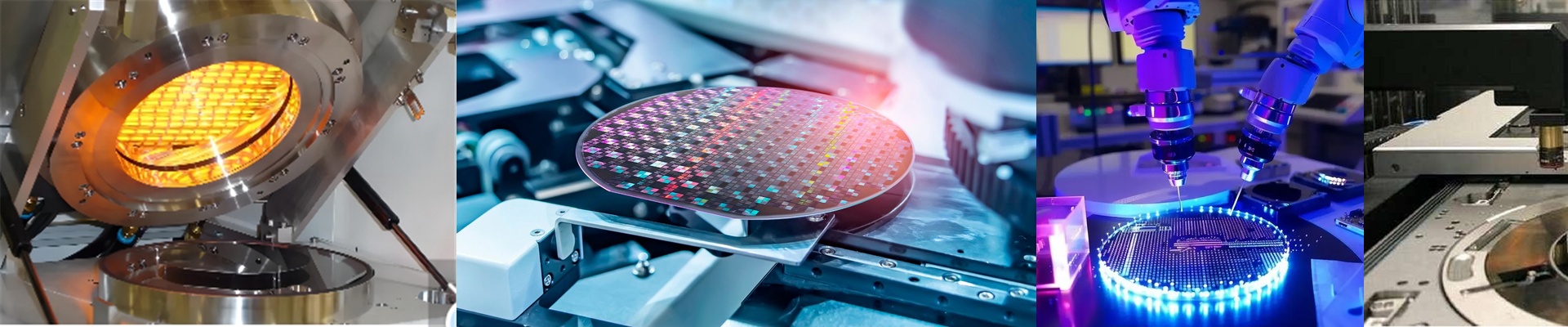
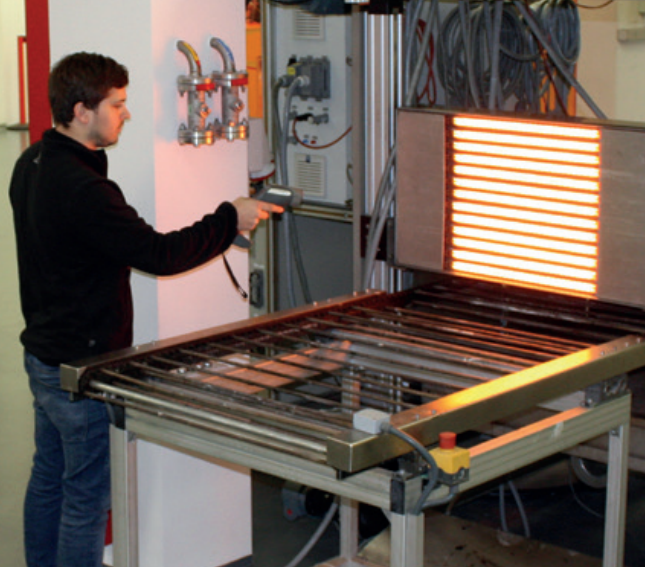
In a semiconductor fab, wasting power is basically a design flaw. When you’re heating silicon wafers, you aren’t just looking for “lots of heat.” You need every single photon hitting that wafer surface. That’s why we pair carbon fiber infrared lamps with gold-coated reflectors. It stops the energy from just bleeding away into the air. Here’s the thing about gold. Most people use aluminum reflectors, but aluminum absorbs too much energy. Gold is different. It’s incredibly efficient at bouncing infrared light. By lining the lamp housing with gold, we take the radiation that would normally head the wrong way and shove it back toward the target. It’s like a cheat code. You effectively double the heat flux without pulling a single extra amp from your power supply. Then there’s the carbon fiber. We use these filaments because they can take a beating during rapid thermal cycling. They ramp up to temperature way faster than those old-school tungsten coils. That speed is what keeps your wafers from warping. But a word of caution: when you crank up the power density, your cooling loops have to keep up. If your heat exchanger isn’t built for the ambient heat rise, you’re going to see your temperature setpoint start to drift. Installing these is pretty straightforward. We built them as drop-in replacements, so they actually fit in those cramped fab spaces. Just a couple of tips for when you’re wiring them up: First, double-check that your controllers can handle the specific impedance of carbon fiber. Second—and this is the big one—get your alignment right. The gold reflector only works if it’s positioned perfectly. If the lamp is off-center by even a few millimeters, you’ll end up with hot spots on your wafer instead of a nice, uniform heat map. Check your focal distance. It makes all the difference.