Introduction
Let’s get straight to it. We built high-ceiling infrared heaters for one reason: they have to work flawlessly in wet, demanding spaces. This isn’t just about following a trend. It’s about solving a real headache for anyone tackling a modern bathroom renovation. When you need steady, reliable warmth, but safety in a humid, enclosed area is non-negotiable, the details matter. The physics have to be right, and the build quality has to be rock solid.
Power, Voltage, and Geometry—Why It All Works
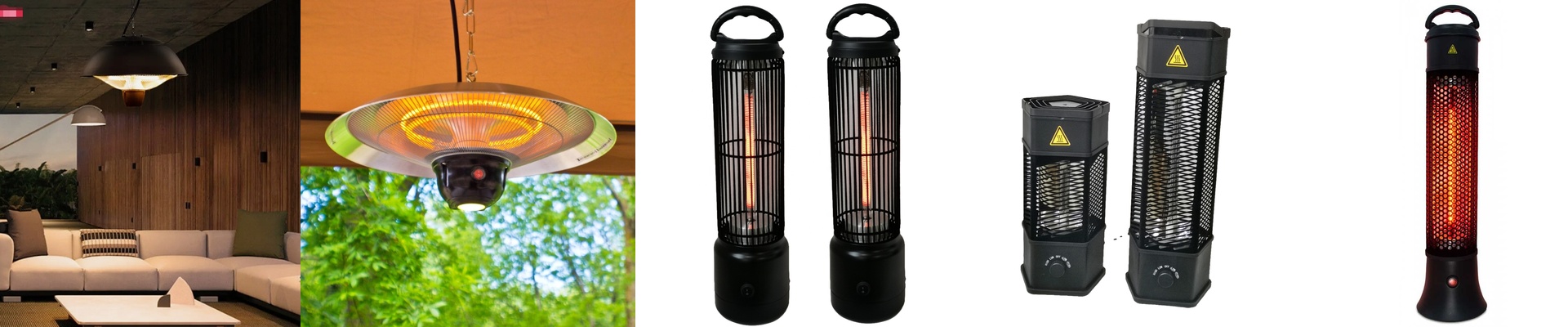
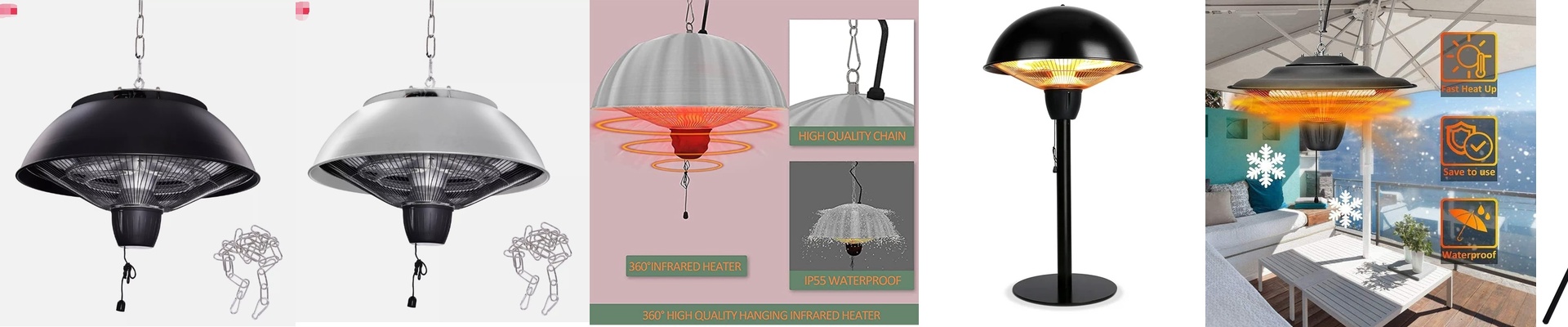
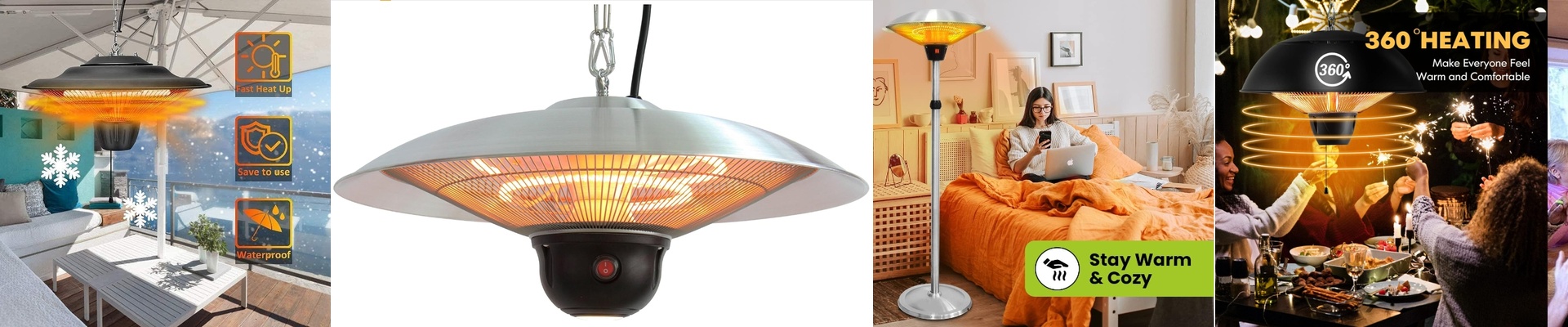
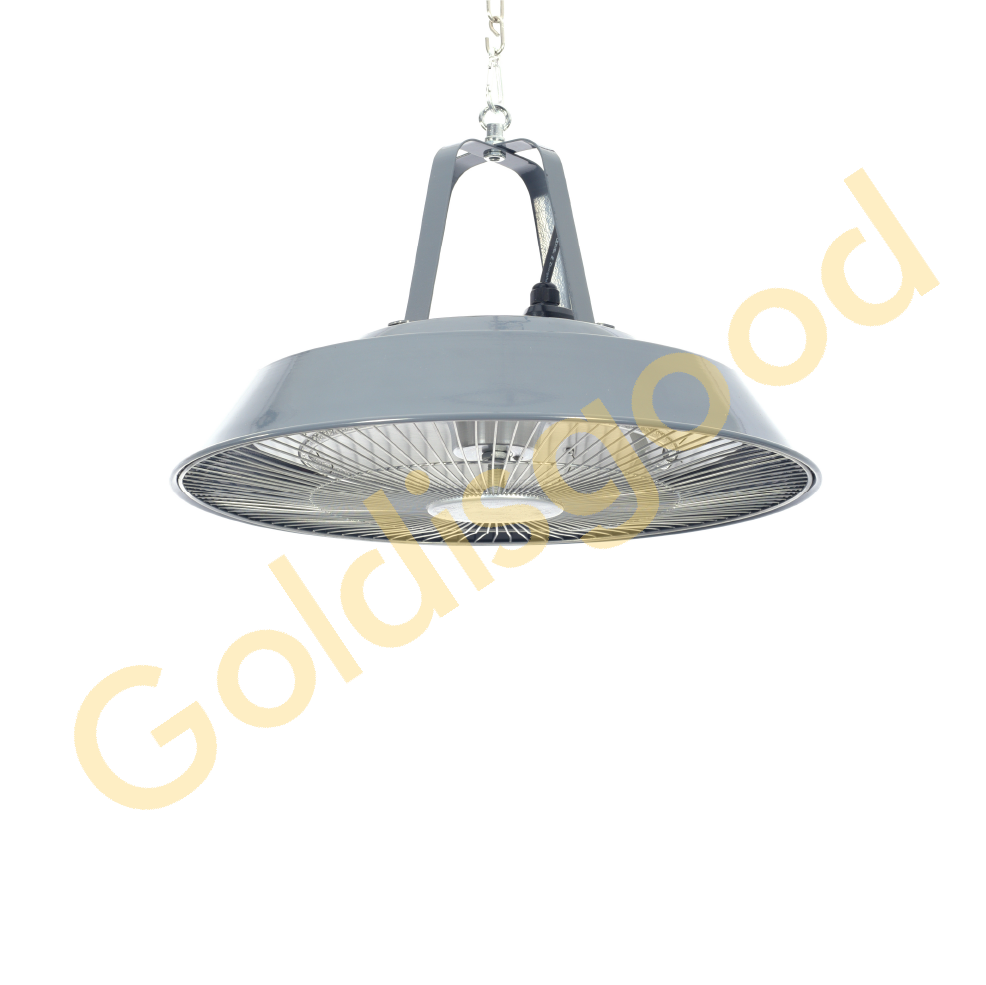
We designed these heaters to give you predictable heat, where you need it. The wattage and voltage aren’t just numbers on a box. They’re carefully matched to the room’s size and ceiling height. The result? You get focused infrared warmth that directly hits the people and surfaces below, not wasted heat swirling around the ceiling. The shape is intentional, too. It’s engineered to push warmth downward efficiently, so you feel the heat where you’re standing, not way up high. The size and geometry set the pattern of the heat—and that makes all the difference.
The Inside Story: Quartz, Coating, and Connections
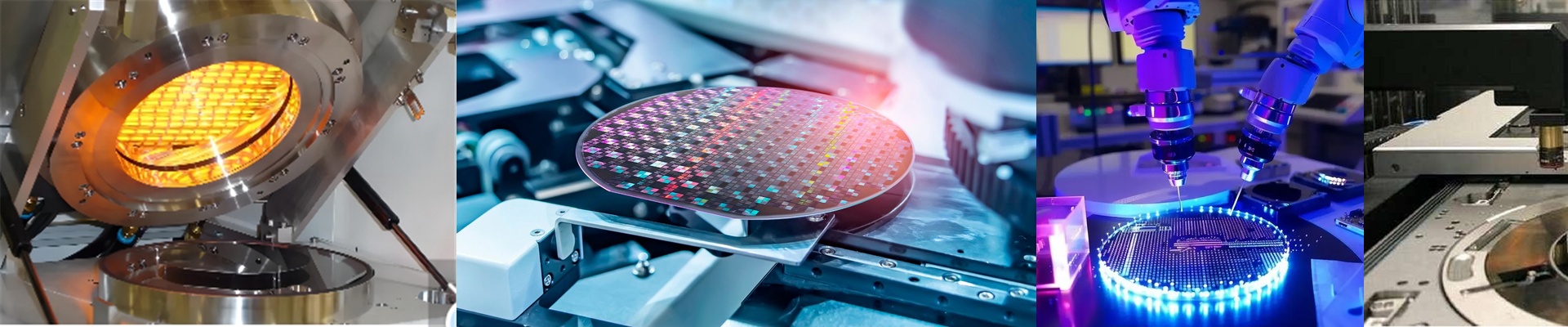
At the heart of these heaters is a quartz infrared emitter. It heats up fast and packs a lot of power in a small space. Then we add a protective coating and make sure the waterproofing is top-notch. This keeps moisture out and stands up to the daily cycle of steam and condensation. Inside, the halogen element keeps the heat output steady, and the wiring connections are built for a quick, secure install. In real life, this means fewer headaches. Fewer failures when the unit is installed right over a shower or in a ceiling that’s constantly exposed to humidity.
Real-World Benefits: The Upgrade, Honestly
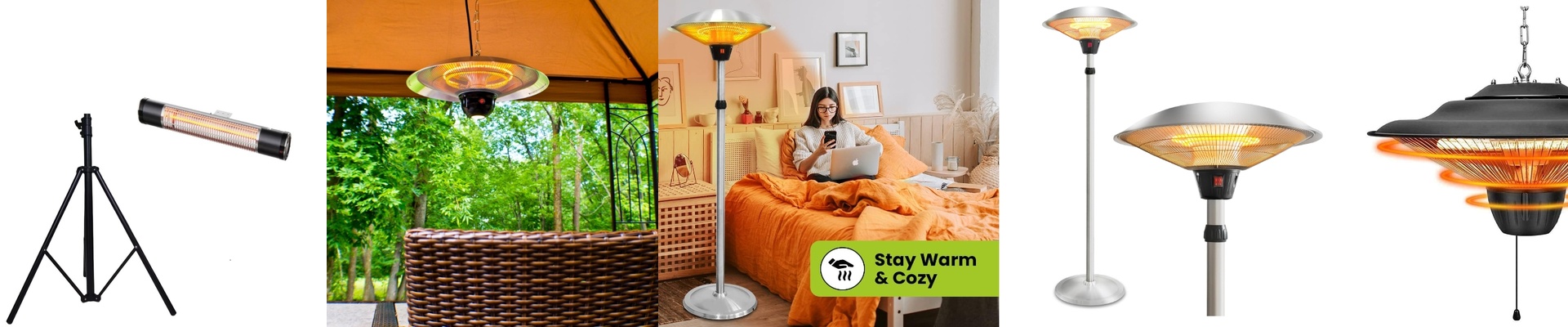
When you’re upgrading a bathroom, these heaters deliver radiant warmth that hits you directly. They warm people and surfaces, not just the air. That means your ventilation system isn’t working overtime, and you’re not wasting energy. Installation is simple, too. Most of the time, it’s a straightforward swap for an existing fixture, which saves time and labor. Now, let’s be upfront about the trade-offs. The stronger waterproofing and tough emitter materials do mean a higher upfront cost. And because the heat is concentrated, the ceiling assembly needs proper thermal management to keep everything running safely within temperature limits. For the engineers and designers specifying modern bathrooms, that reliable, predictable performance is exactly why waterproof infrared is becoming the go-to choice.