

In a solar-powered home, winter nights bring a practical question: can you stay warm without draining the battery bank? When the sun goes down, comfort disappears fast—unless your electric heater draws exactly what the system can handle and turns it into immediate heat.
What matters, technically
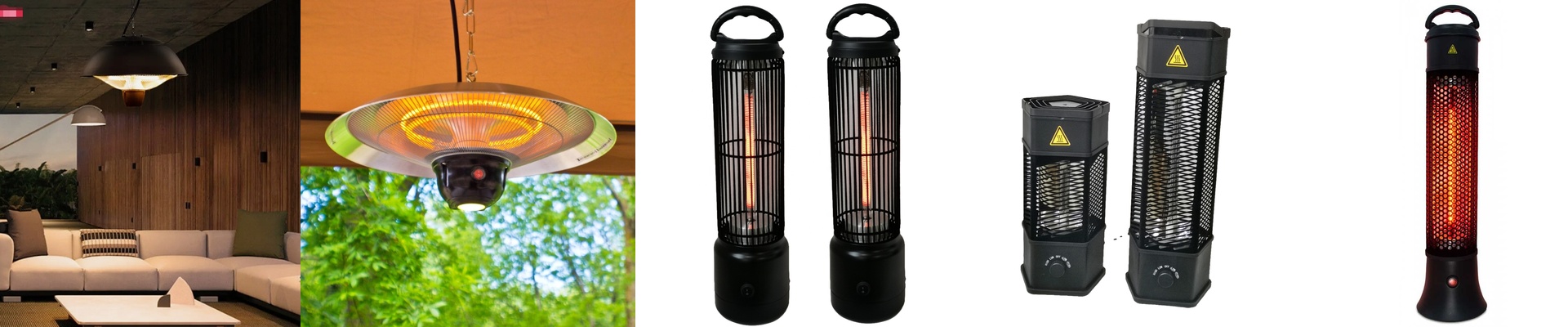
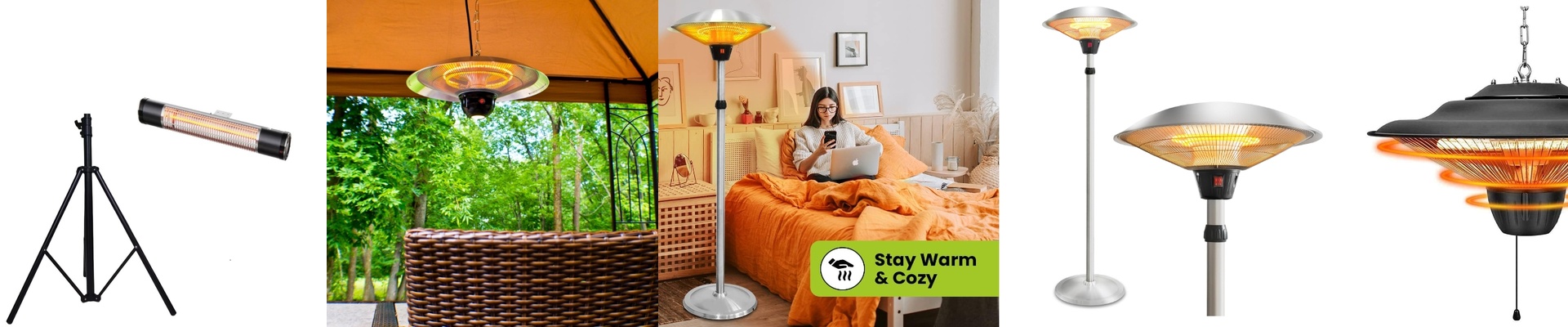
We built our plug-in wall heater around a carbon-fiber infrared element because it delivers radiant heat while pulling relatively little current—typically 800–1200W on 120V models. That keeps it within reach of a standard outlet or an inverter, without tripping over the limits of smaller battery banks. It fires up instantly—no warm-up lag—and the heat spreads in a focused pattern, warming people and objects first, not the air. For day-to-day control, a built-in thermostat holds the room at the set point, and a tip-over switch kills power if the unit gets bumped over.
Why it fits off-grid life
Off-grid living is all about matching each watt to what the panels and batteries can actually deliver. Infrared warmth is efficient because it doesn’t waste energy heating empty air; it hits the spots you actually occupy. That means fewer amp-hours burned on a cold evening, and a more consistent feel of comfort. Put it in the living area, the bedroom, or the workshop, and the radiant heat helps keep surfaces and bodies warm—so you’re less tempted to chase the thermostat higher. It’s the kind of heating that makes an off-grid house feel like a real home, not just a powered structure.
What you need to know
This heater is intended for indoor, dry-location use, and it should be hardwired or plugged into a dedicated 120V circuit. For solar compatibility, match the unit’s wattage to your inverter and battery capacity, and confirm the inverter’s surge rating can handle startup. If you’re dealing with a very humid space, step up to an IP-rated version. And remember: infrared heat feels best when you’re in the beam. It won’t feel as warm in an empty room, so aim it where you actually sit.