We’ve all been there. Lights drop, the screen fires up, and the room is set to do its thing. Then the forced-air heater kicks on, and the moment evaporates. Dialogue turns to mush, bass gets swallowed, and instead of a theater you feel like you’re standing in a workshop. You want warmth, sure—just not at the price of the experience.
What actually matters, technically
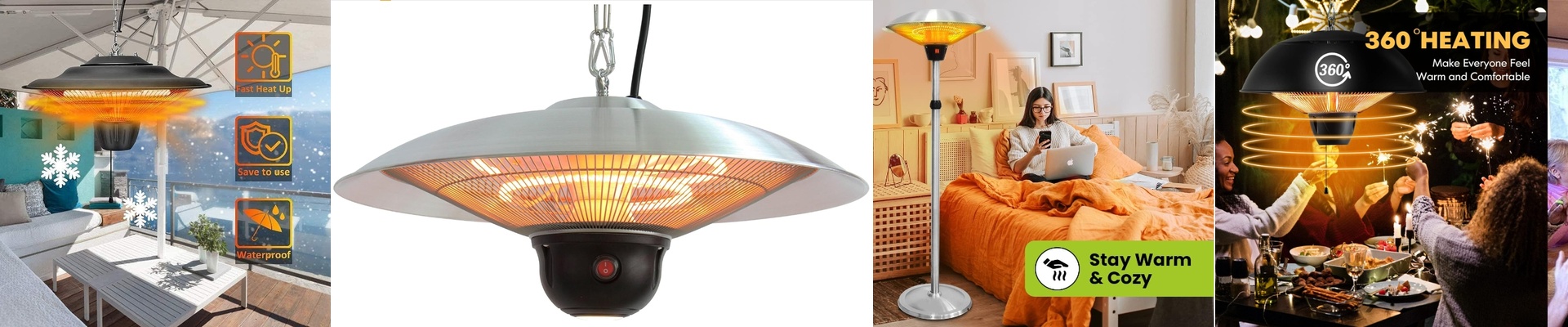
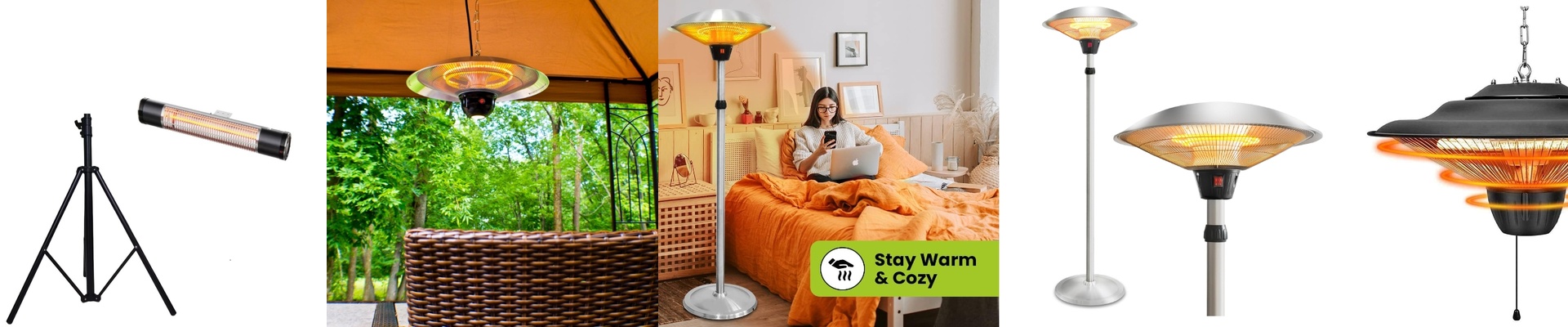
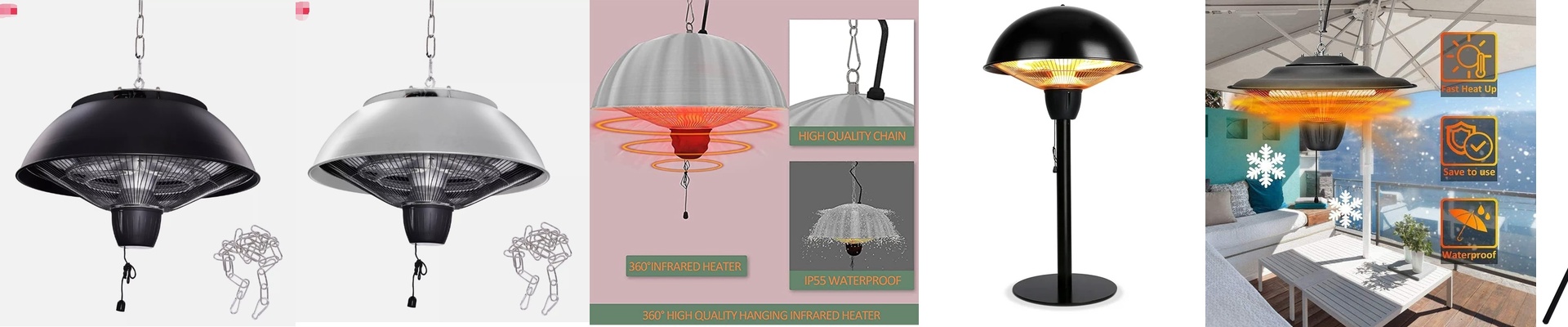
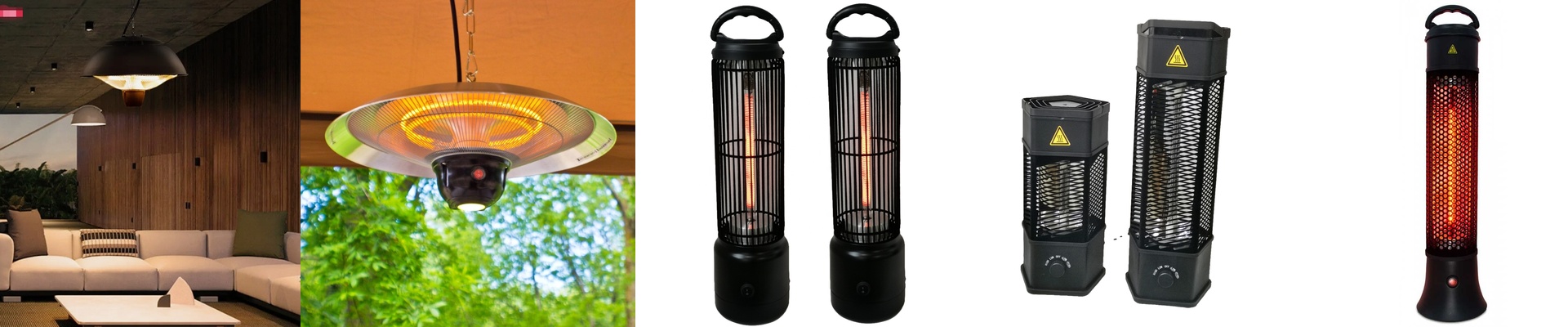
Infrared electric heaters work on radiant heat, warming people and objects directly instead of pushing air around. For a home theater, we lean into a fake flame heater look—soft glow, clean operation, and zero noise. The heart of it is a quartz or carbon fiber element that throws short-wave infrared warmth, with no fan to stir dust or make airflow noise. Heat output is usually stepped in 500W to 1,500W increments, so you can size it to the room and keep the heat right where you need it. The payoff is near-silent operation—just a gentle presence that reminds you it’s on, not shouting about it.
Why this approach clicks in a home theater
Home theaters live on fine detail: whispers, the lightest score, pinpoint sound placement. An infrared heater with zero wind noise preserves those details because you’re not fighting a rush of air that masks quiet moments. You stay comfortable without mechanical chatter, and the warmth feels even because it heats the viewers and their seats—not just the ceiling. The fake flame design adds visual warmth without smoke, sparks, or venting. For marathon sessions, the gentle radiant heat helps muscles relax, and the room stays steady—no temperature swings that make you reach for the thermostat mid-scene.
The practical stuff you’ll want to get right
Infrared warmth is directional. Position the heater to face the seating area and keep direct line-of-sight off the most sensitive viewers. It warms people and surfaces first, so the air a few feet away can feel cooler—keep a few soft throws handy. Plan for a dedicated 120V or 240V outlet on a properly rated circuit, and respect the clearances to furniture and walls as the label spells out. Look for overheat protection and tip-over safety, and if you’re placing it near a bar or in a spot that gets a little humid, confirm the IP rating.