
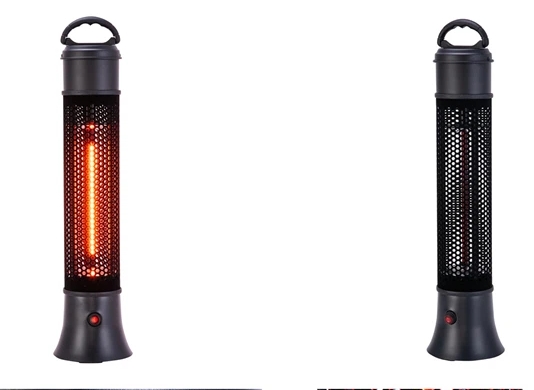
How We Build a Tower Heater That Answers the Bell—Instantly
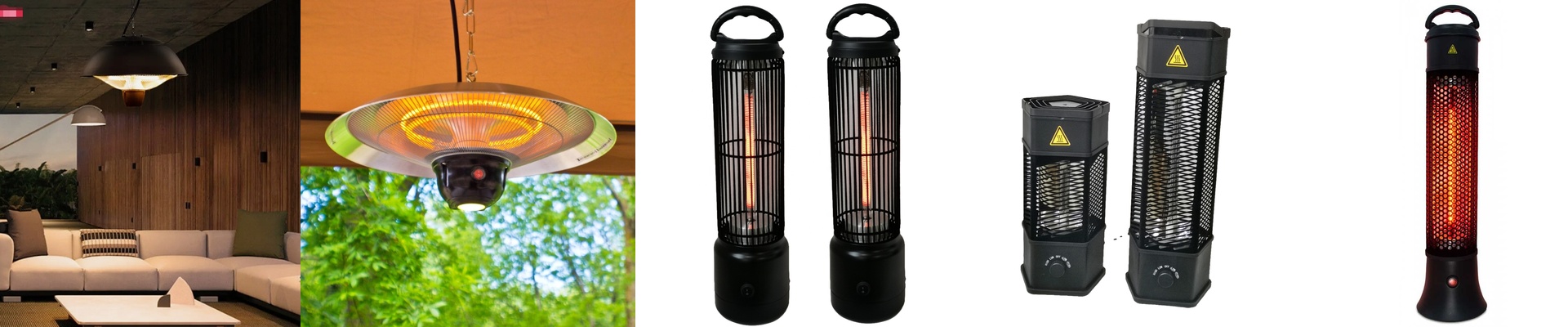
You need heat that doesn’t keep you waiting. The kind that shows up the second your process needs it, then zeroes in like it knows exactly where to go. That’s the whole idea behind our tower heater: concentrated infrared energy, on demand. Not “warm up the room.” More like, “fire up the line.” It starts with a high-output infrared lamp module that gets to target temperature in seconds. Not minutes. Seconds.
Power, Voltage, and a Footprint That Makes Sense
Here’s the thing—this isn’t built for a wishy-washy environment. It’s built for the plant floor, where the work is real and the timelines are tight. We run these units on a high-voltage setup, usually 400V. That lets us pack a lot of power into a small footprint, so you get serious heat density exactly where you need it. And the lamp? It stays short—around 300mm. That keeps the energy focused into a tight zone. Yes, that kind of concentrated output asks for a sturdy electrical feed and a solid mount. But it also gives you the thermal punch required to keep cycle times moving.
The Design Behind the Speed
Inside, the heart of the unit is a high-purity quartz tube with a halogen-filled filament. This setup lets the filament run at extreme temperatures, emitting short-wave infrared that dives into materials fast. We tune the inner coating to maximize emissivity and keep output stable—so you don’t get hot spots that can kill the tube early. And the connector? We use a standard R7s. It’s a proven interface that can handle the current, and it makes the lamp a simple drop-in replacement when it’s time to service. No drama. Just swap and get back to work.
What It Feels Like on the Line
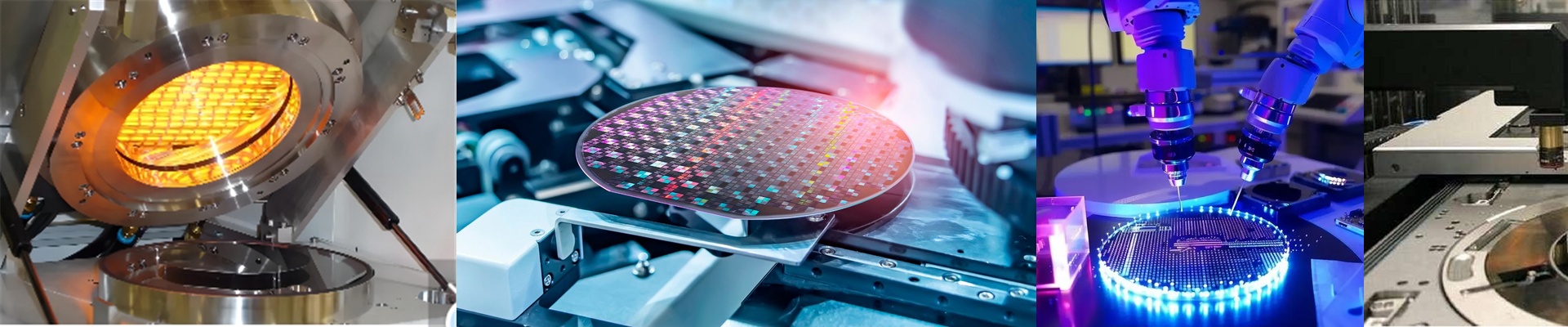
On the plant floor, this all comes down to one word: speed. The tower heater hits operating temperature almost instantly, so your process doesn’t have to stall and wait. The beam stays focused, heating only the components that need it. That means less wasted energy and less idle time. But let’s be honest—there’s a trade-off. That much heat density means you need a cooling system on the machine side that can keep up with the ambient rise. Get the spec right, and you end up with a heater that stays in step with production, shift after shift.