
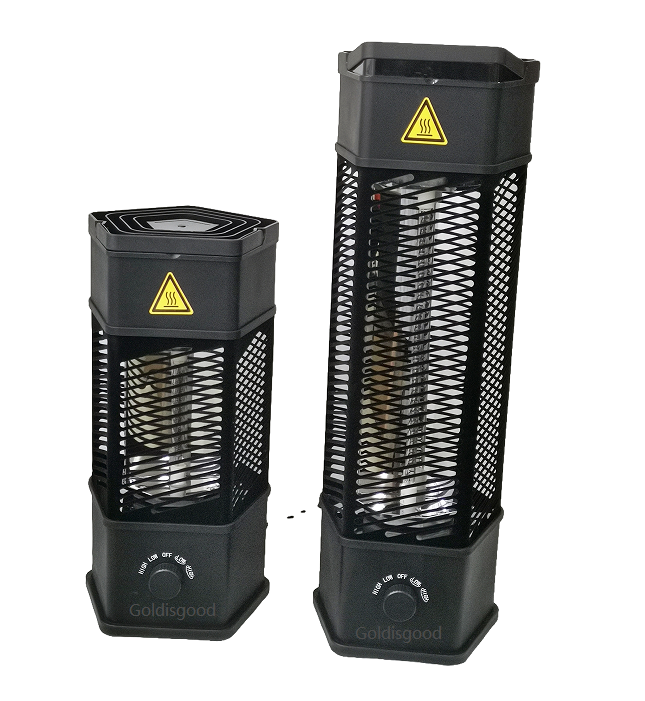
How We Built the Real Deal: From Behind-the-Scenes Work to a Shortwave Infrared Heater That Actually Earns Its Keep
We spent ten years in the shop, heads down, learning the craft. We went from quietly making parts for others to building our own gear that meets the world’s standards. Our focus was simple: create an infrared heater that shows up and does its job, day after day, no excuses. What we came away with is a shortwave infrared heater that gives you steady, controllable heat—even when the work is tough.
The Power Behind the Heat: What It Does and Why It Matters
At the heart of this unit is a high-density heating profile. We built it to run on 400V systems, so we can pack a lot of power into a slim 300mm tube. That means serious heat in a small footprint. Just know your electrical setup needs to be ready for the load. The 2500W rating isn’t for show. This thing hits operating temperature fast—no slow warm-up. For engineers, that means shorter cycle times and heat you can count on. Just make sure your control circuitry and wiring are up to the task.
Built to Last: Halogen, Coating, and the R7s Connection
We use a halogen-filled quartz tube because it keeps the filament steady when the heat is on. That stability means consistent output and a longer life for the lamp. And the shortwave spectrum? It delivers energy that penetrates surfaces quickly—perfect for spot heating and curing. The tube has a specialized coating to manage infrared output and protect the element. It helps keep efficiency high and prevents premature burn-out. And the R7s connector? It’s a practical, industry-standard choice. Wiring is clean and secure, and it’s a drop-in replacement for most fixtures. Swap units without tearing your machine apart.
Real-World Use: Tough, Compact, and Straightforward
Out in the field, this heater takes a beating and keeps going. The 300mm size slips into tight spots, and the R7s base makes installation a breeze. Because the heat density is high, you get more output per square inch. But that also means you need to plan for proper thermal management—give the unit room to breathe, with enough cooling or heat dissipation. We built this configuration for industrial reliability. It runs cycle after cycle without drifting. If you need a heater that specs clean, wires up fast, and performs consistently, this is the one we put our name on.