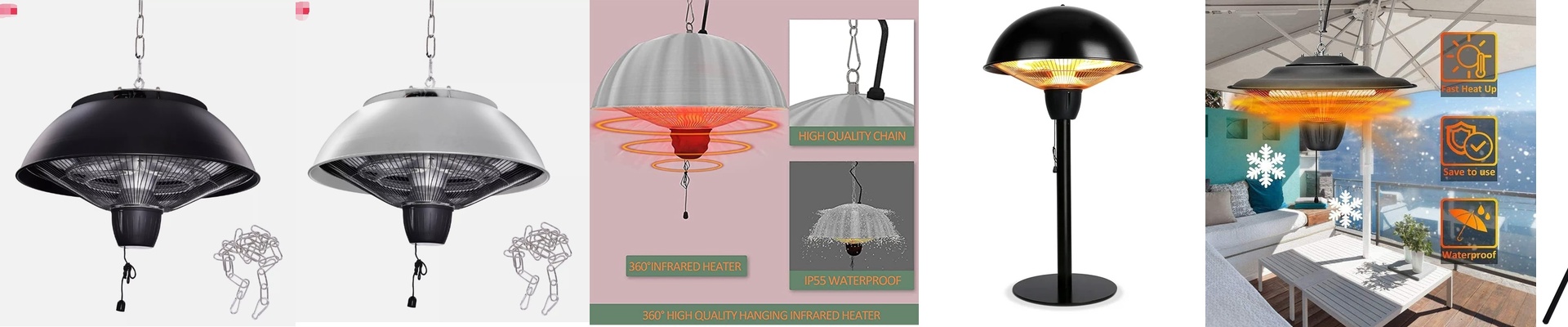
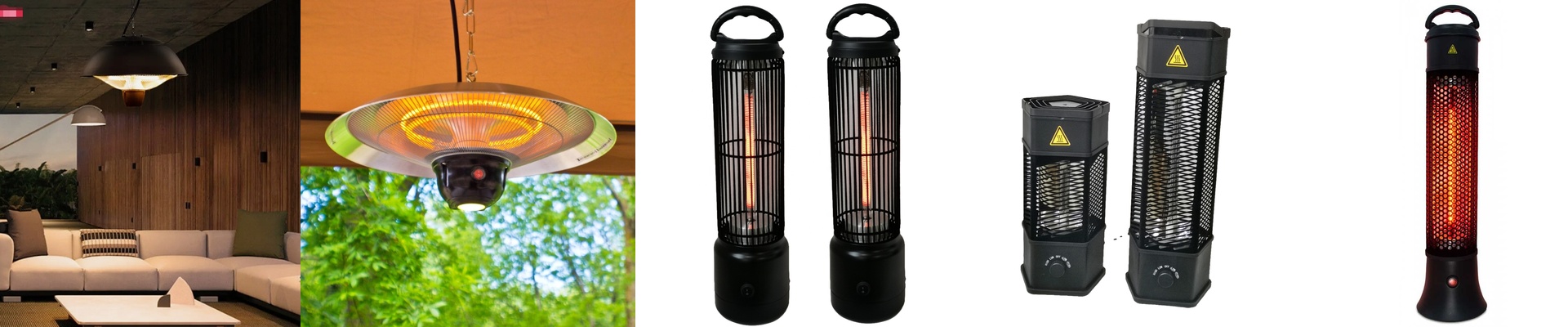
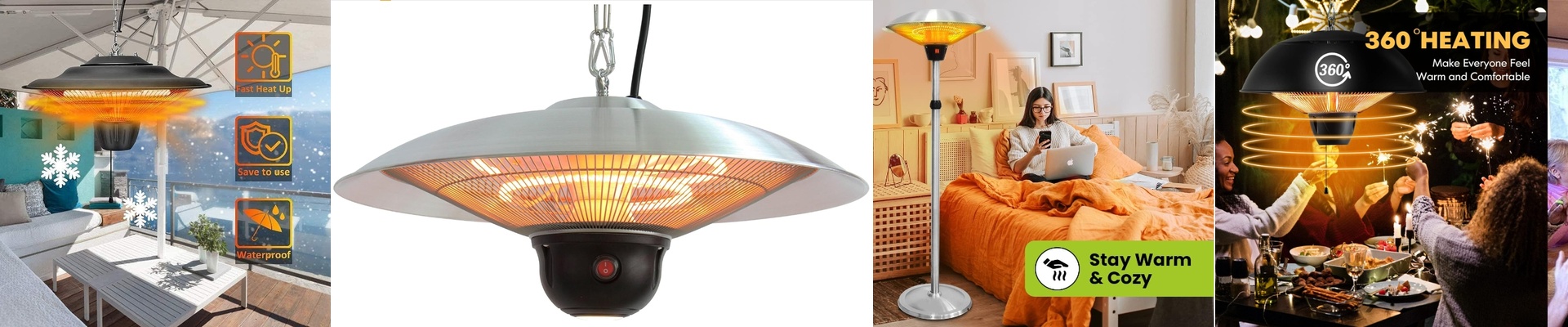
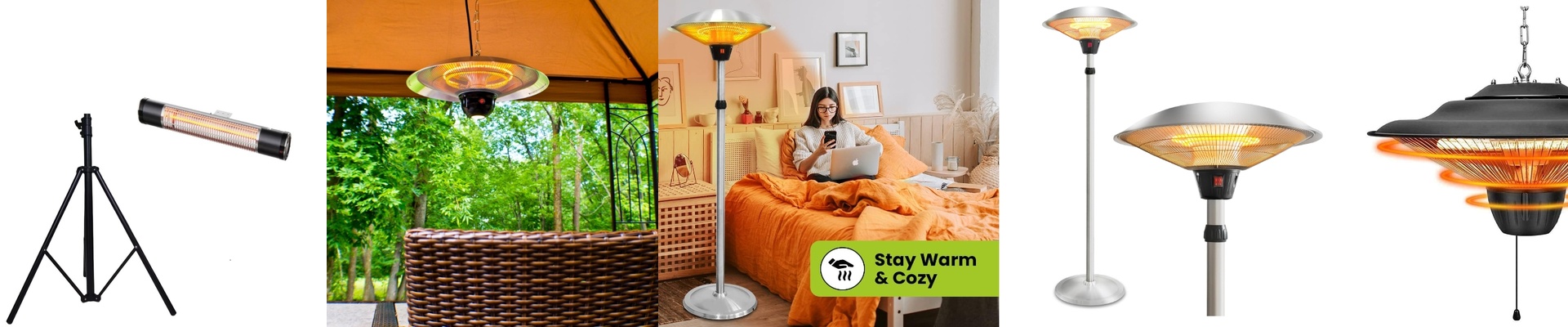

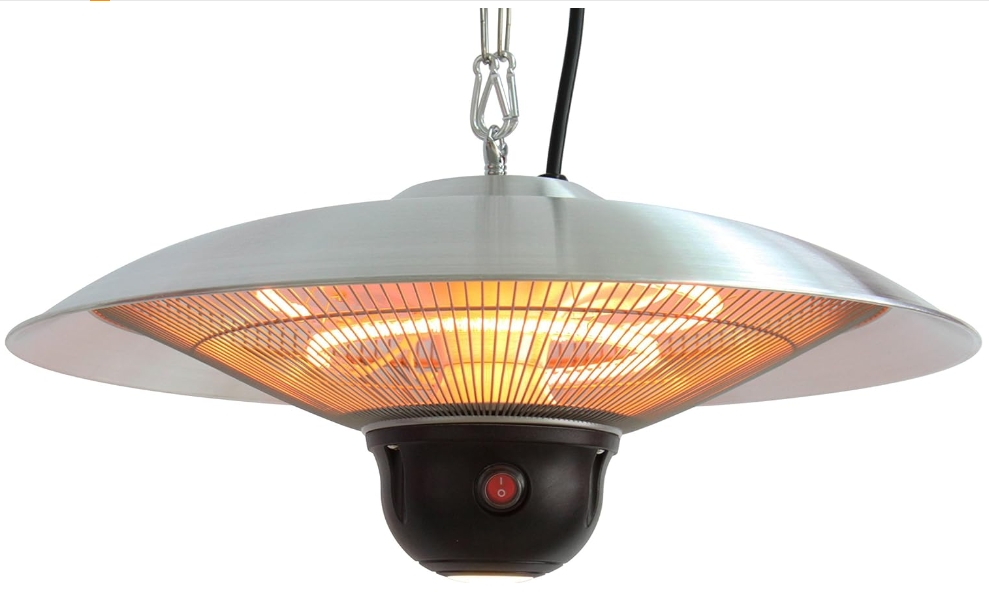
Stepping onto the patio as the sun goes down shouldn’t force you to call it a night. The cold has a way of shutting things down—unless your outdoor heating is as straightforward as flipping on a light. Pair a remote control infrared heater with your smart home setup, and warmth kicks in the instant you want it. No waiting around. No cutting the evening short.
What matters under the hood
Infrared warmth is direct and immediate. A carbon fiber element or quartz tube comes up to temperature in seconds, sending radiant heat toward people and surfaces, not the empty air. Most remote control infrared heaters run on standard 120V or 240V circuits, with output that scales from 1,500W up to 5,000W depending on the room size and how exposed the space is outdoors. The remote isn’t just convenience—it’s control. On/off, power levels, and thermostat settings from across the room. Smart integration adds scheduling, routines, and adjustments right from your phone. Safety is built in: tip-over protection shuts the unit down if it gets knocked over, and overheat protection keeps temperatures from running away. For outdoor use, look for an IP rating that holds up against rain and dust.
Why this setup clicks
Smart integration is about comfort you can feel the moment you step outside. Hit a button on the way out, and the infrared heater starts delivering warmth immediately. No standing by a cold patio heater waiting for it to “warm up.” Because infrared warms objects and people directly, you feel the heat even on breezy nights, and the surrounding air doesn’t have to fight to hold temperature. That translates to steadier comfort, less wasted energy heating nothing, and more usable evenings. Indoors, the same direct warmth can ease muscle stiffness and keep a room from feeling drafty, while the remote keeps settings where you want them—without getting up.
The practical details
Smart integration needs a compatible hub or app, and your home Wi-Fi has to be stable. If the signal is spotty, responsiveness suffers. Placement matters for both comfort and safety: keep the heater at a safe distance from furnishings, out of high-traffic paths, and on a level surface. Outdoors, verify the IP rating and give the unit as much shelter as possible from direct rain. And remember, infrared heat is directional. Plan for even coverage by positioning the heater where people gather, or consider multiple units if you’re covering a larger area.