
The best home theater moments drop you straight into another world—until the room turns cold and the forced-air heater kicks on. That blast of air stirs up dust, moves the drapes, and adds a steady hum that yanks you right back out of the story. You want warmth, but not at the price of the quiet focus that makes movies and music feel lived-in.
What matters, technically
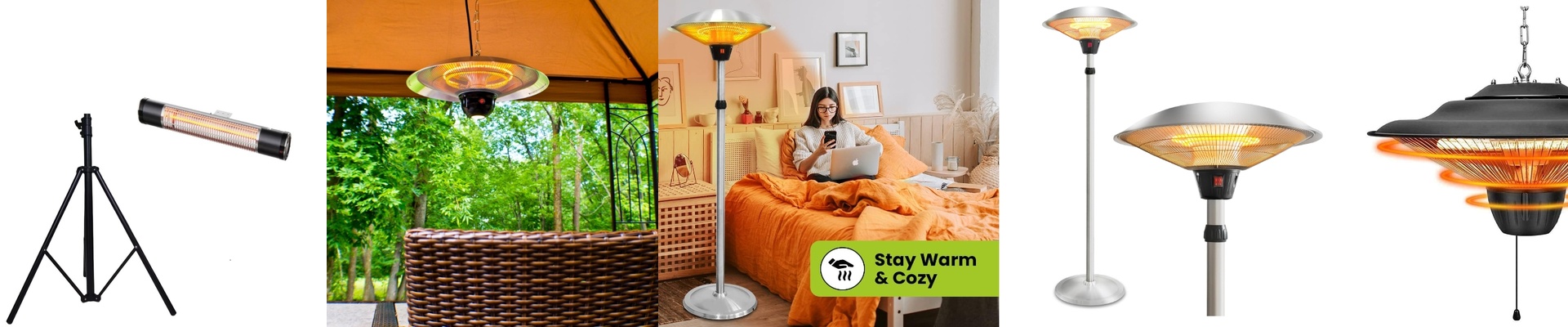
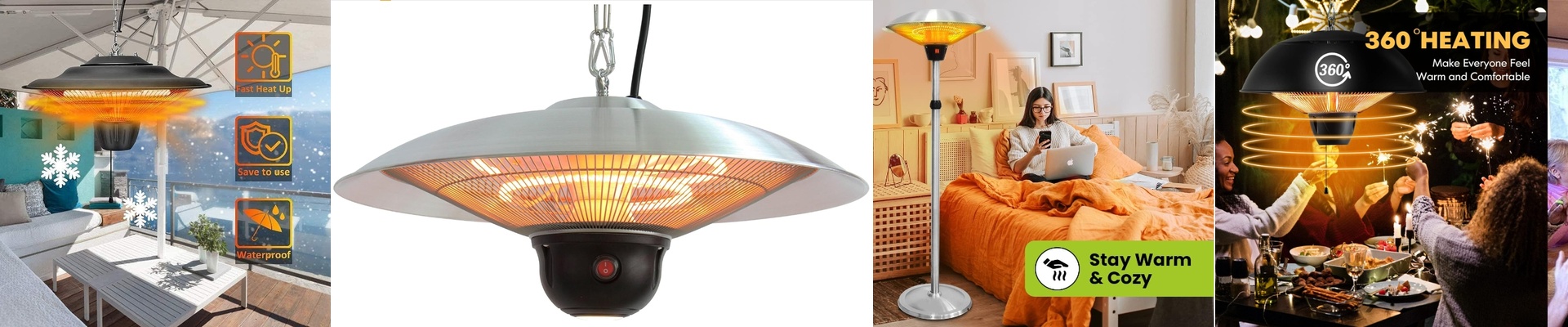
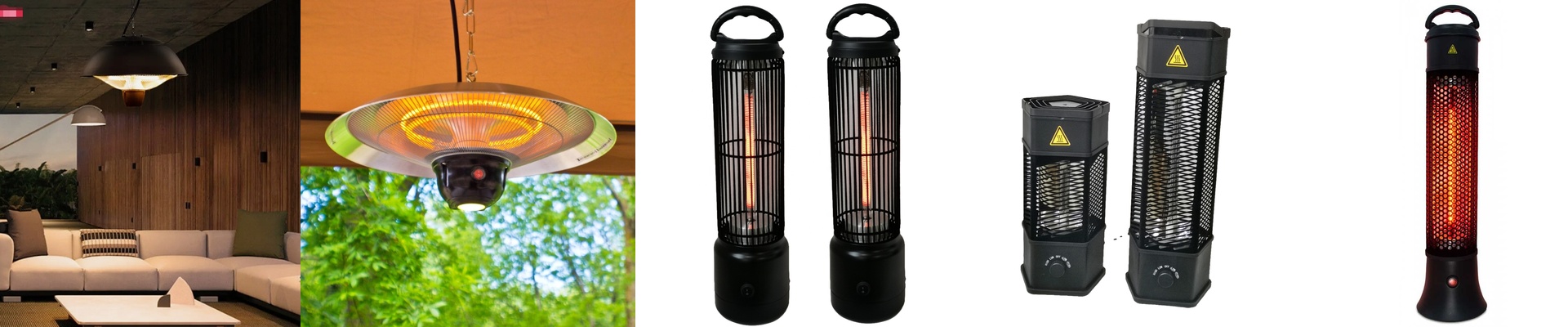
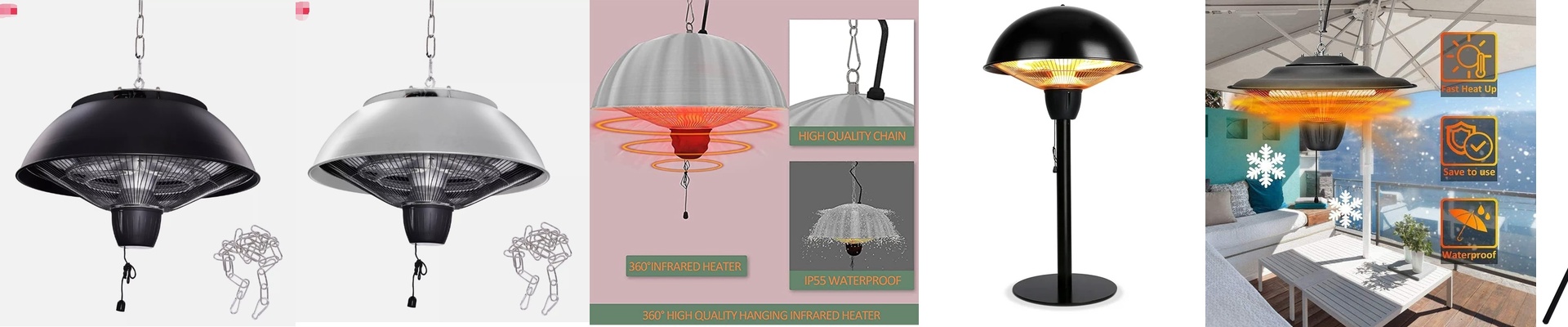
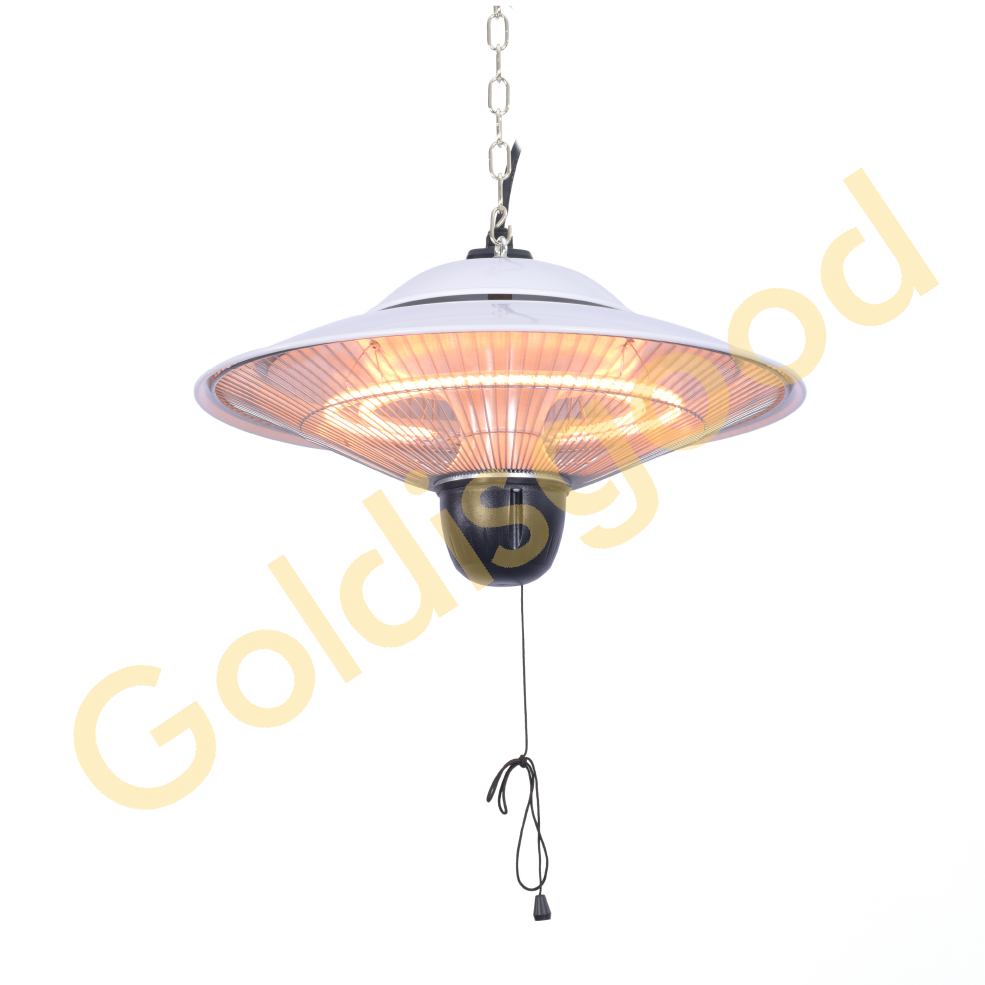
A carbon fiber outdoor heater—and the same tech works just as well indoors—delivers infrared warmth by heating an ultra-thin carbon element. The heat radiates outward, warming people and surfaces directly instead of heating the air. That means no fan, no motor, and no mechanical noise—just even, gentle warmth. Most units plug into standard 120V outlets, mount with straightforward hardware, and give you focused heat with minimal clearance headaches. The carbon element comes up to temperature fast, so comfort hits within seconds of flipping the switch. And because it’s electric, there’s no combustion, no fumes, and no need to crack a window.
Why it fits a home theater
In a home theater, distraction is the real enemy of immersion. Radiant heat from a carbon fiber infrared heater warms your skin and the seating area without stirring the air. You don’t hear the system straining to keep up, and you don’t get drafts drifting across the screen or speakers. The room stays comfortably warm while the audio stays clean, the picture stays steady, and the experience stays uninterrupted.
The practical details
Infrared heat is directional by nature, so placement matters. Mount the heater to cover the main seating area, and if the room is large or the seating runs deep, consider a second unit. The element glows when it’s active, so keep it where direct line-of-sight is comfortable for viewers—or choose a shielded model. Most units are designed for covered or protected areas; if you’re running one in an exposed outdoor setting, check the IP rating and follow the clearances for surrounding materials.