
Beyond Warmth: How Modern Infrared Bathroom Heaters Use Spectrum Technology to Cut Mold and Assist Dehumidification
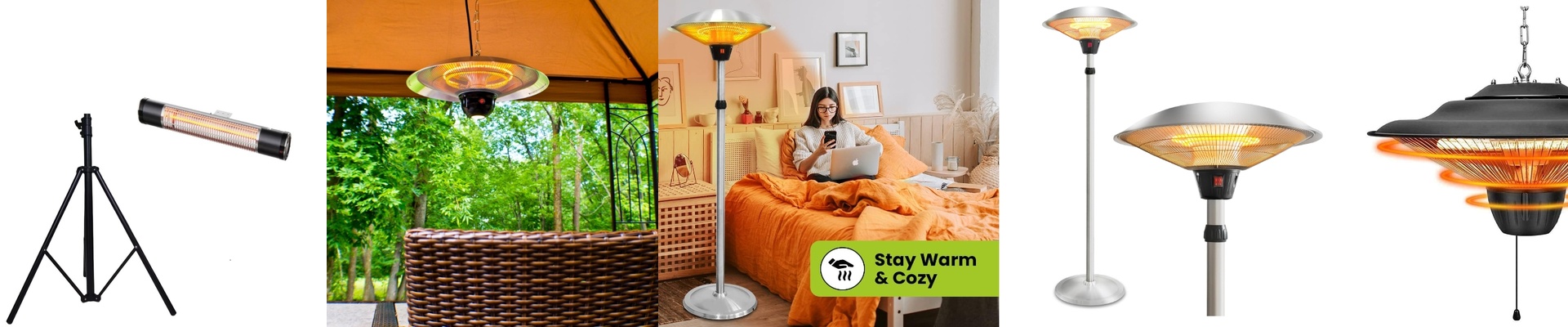
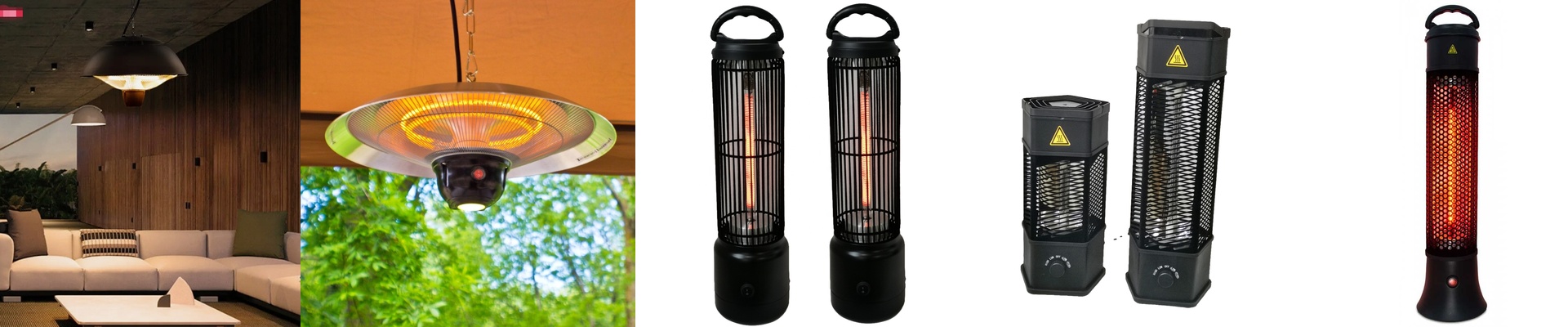
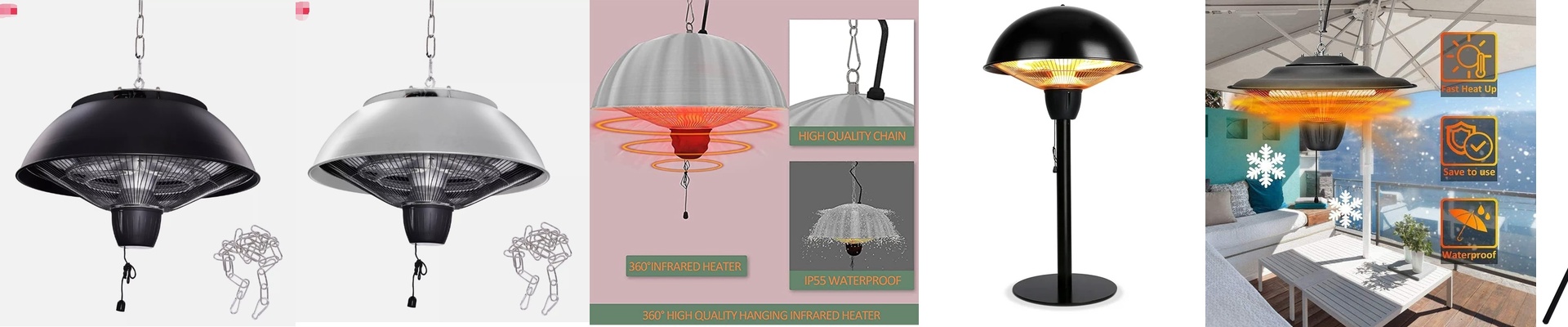
We build modern infrared bathroom heaters for a specific job: stop treating heat as a luxury and start treating it as a controlled environmental tool. The goal is twofold: deliver immediate, targeted warmth and actively reduce the conditions that cause mold. This is not just a heat lamp; it is a spectrum-controlled system designed for wet, high-humidity spaces.
Technical Deep-Dive: Power, Voltage, and Geometry
We spec these heaters around shortwave infrared output, because the physics demand it. A typical unit runs on 220–240V, with power ratings from 150W to 250W. This voltage window keeps the current manageable for standard bathroom circuits while still delivering high heat density. The tube length is usually 300mm to 600mm, giving you a direct relationship between surface area and coverage. Shortwave infrared penetrates water films on walls and fixtures faster than convection heat. That rapid surface heating accelerates evaporation, which in turn reduces the time the bathroom stays in the condensation zone. You get fast response—seconds, not minutes—and you can size the unit to the footprint, not the room volume.
Material & Design: Quartz, Halogen, and the R7s Interface
The core is a quartz envelope, chosen for thermal shock resistance and high transmittance in the infrared band. Inside, a halogen cycle keeps the filament stable at high temperatures, which means consistent output over time. We coat the tube to tune the spectral output, focusing energy where it is most effective for drying surfaces, not just warming air. For installation, we fit the tube with an R7s base. This double-ended connector provides solid contact, handles high temperature, and allows straightforward replacement in existing fixtures. It is a practical choice for engineers: fewer field failures, easier maintenance, and a true drop-in replacement path.
Application & Benefits: Mold Reduction and Healthier Environments
In a bathroom, the real problem is standing moisture and cold surfaces. The heater targets those surfaces first, keeping them above the dew point longer. This reduces the cycles of condensation that feed mold growth. The result is not sterilization by heat, but a measurable reduction in the damp conditions that allow mold to establish. There is a trade-off. The same intensity that dries surfaces quickly also demands proper circuit protection and ventilation planning. You must spec the wiring, thermal clearance, and airflow to match the load. When you do, the unit becomes a reliable, low-maintenance tool for managing humidity and improving environmental control—without overworking the building’s dehumidification system.