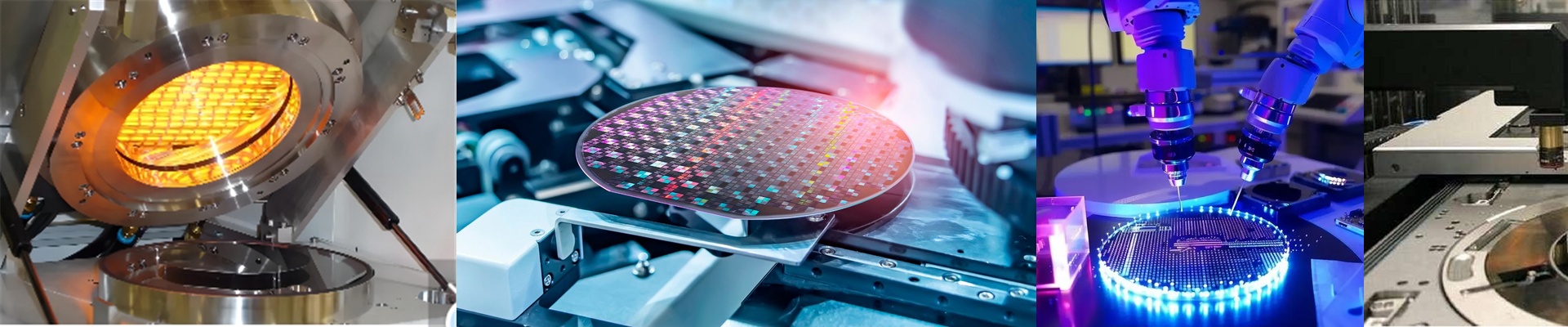
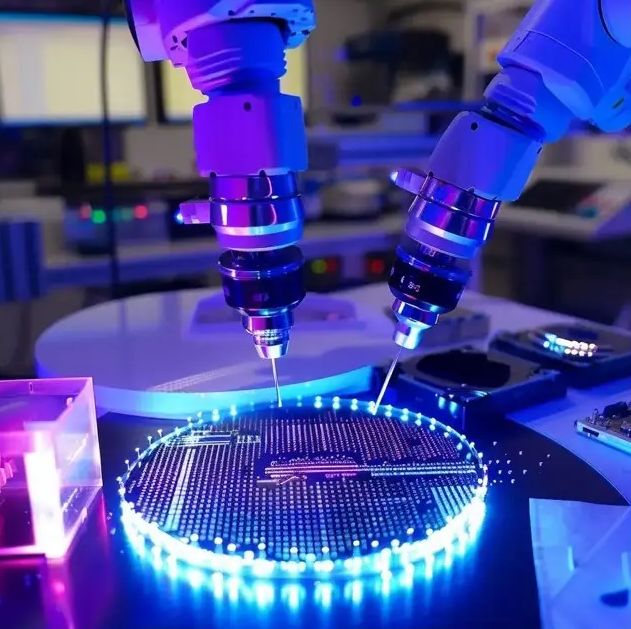
On the lithography floor, photoresist bake isn’t a nice-to-have—it’s a yield lever. If your soft bake temperature drifts or your hard bake comes up non-uniform, you’re buying dimensional errors, scum, and wafers that end up in the scrap bin. When the oven lamp can’t hold thermal uniformity across the batch, the process window collapses. What matters under the hood We spec our lithography oven lamps with short-wave halogen and NIR-optimized quartz elements. The payoff is fast thermal response and steady radiant output. The system is tuned for wafer-level thermal uniformity of ±0.1°C across the bake zone, and repeatability that keeps critical dimensions in spec, run after run. The lamp module is built for cleanroom Class 1–100 operation, with materials and seals that hold particle generation at zero. These units have run 5,000+ hours with less than 5% output drop, supporting zero unplanned downtime. Why it plays in the fab This lamp gives you the thermal budget control that modern photoresist stacks demand. Soft bake becomes repeatable, solvent removal stays consistent, and hard bake delivers the adhesion and profile stability needed to hit tight overlay budgets. You end up with fewer reworks, stable defect performance, and lower energy draw per bake cycle. On packaging lines running wafer-level processes, the same precision keeps film curing consistent, without overshoot that can warp the wafer. Field notes before you spec Installation comes down to matching oven chamber geometry and reflector geometry. You only hit the rated output when the lamp is paired with the correct quartz sleeve and mounting hardware. Expect a short thermal stabilization window after you change bake recipes, and plan calibration intervals to keep that ±0.1°C uniformity intact. Before you procure, verify your oven controller compatibility.