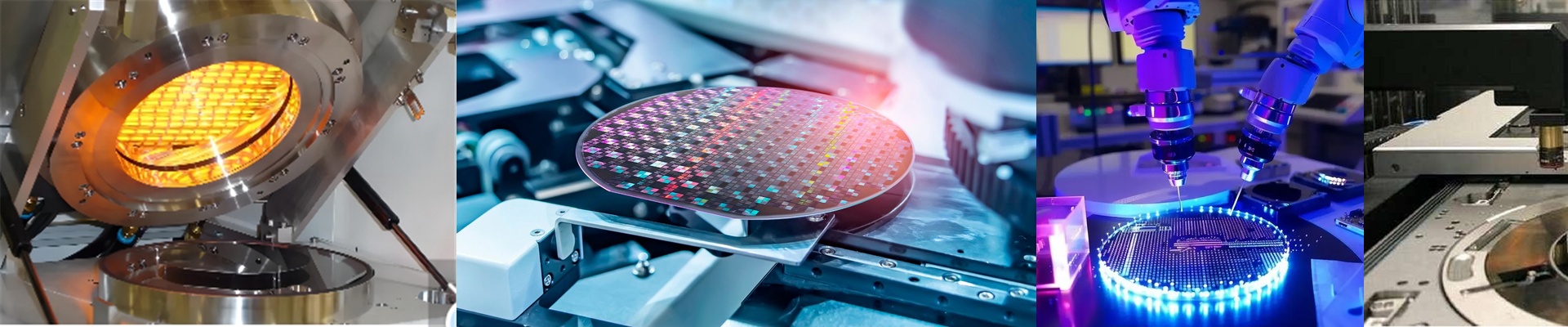
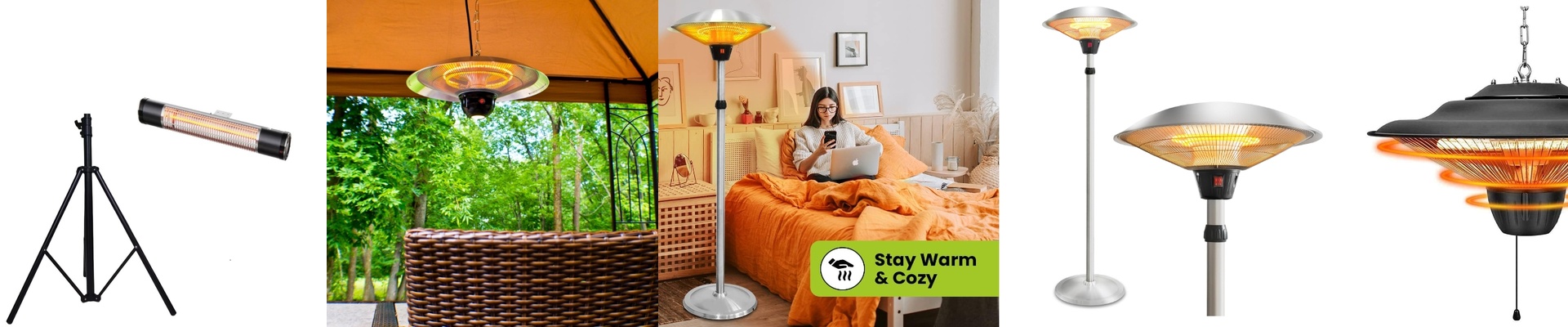

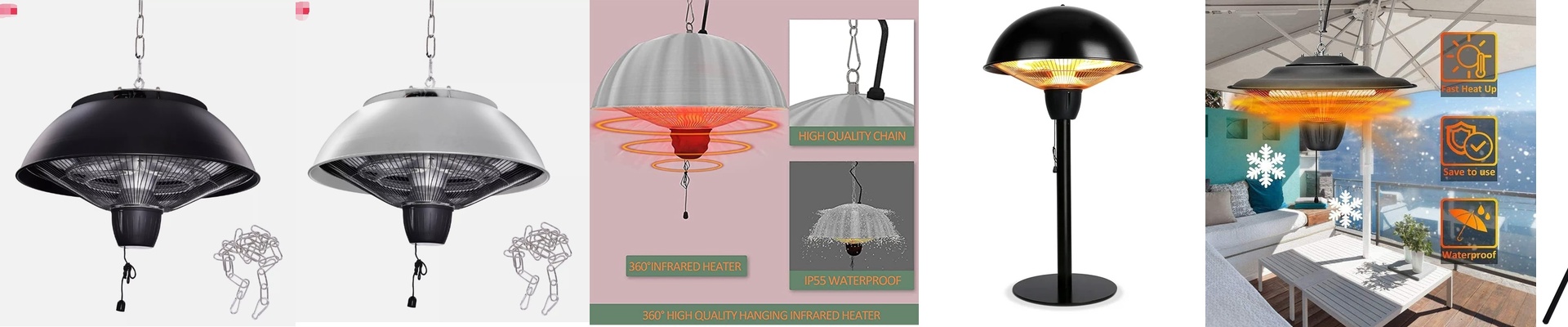
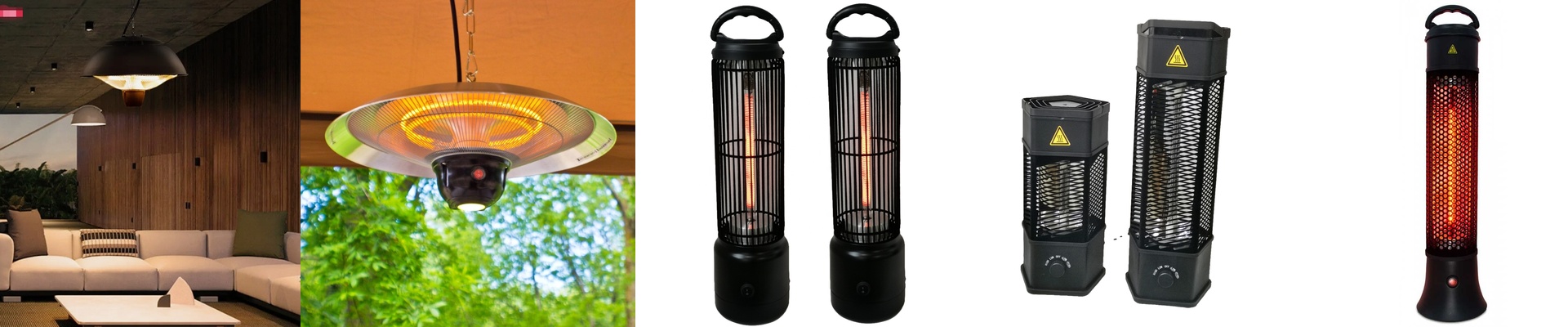
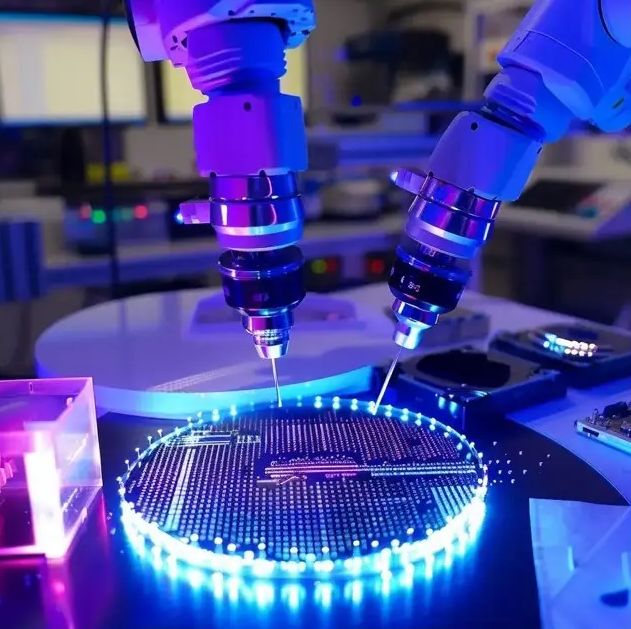
Out on the fab floor, you can’t afford to wait around after the rinse. Any water left behind invites particles, invites photoresist de-wetting, and you’re already on a path to yield loss before lithography even starts. Spin-dry cycles drag on, eat into throughput, and add variability you just don’t need. We built a fast-drying wafer lamp to cut that time and keep the surface intact. What matters under the hood We lean on short-wave and medium-wave infrared, tuned to water’s absorption, so the energy hits fast and contactless. Across the active zone, wafer-level thermal uniformity holds within ±0.1°C, which protects the film stacks you can’t afford to stress. Temperature repeatability from run to run stays within ±0.5°C, so your soft bake and hard bake profiles stay honest. The tool fits cleanrooms from Class 1 to Class 100, and we’ve verified zero particle generation down to 0.1 micron and below. In the field, the lamp runs 24/7 with zero unplanned downtime, and output stability holds within 2% over 5,000+ hours. Why it plays in the fab Right after the rinse, the lamp flashes off surface water in seconds. You can send the wafer straight to the hotplate for the photoresist bake without beads or streaks. That trims cycle time at the coater track and cuts energy by skipping redundant thermal steps. Because the thermal budget starts from a dry, repeatable baseline, your soft bake and hard bake process windows tighten. You get better CD control and improved etch selectivity. The payoff is higher wafers per hour and fewer scrap lots tied to moisture. Field realities The lamp needs a cleanroom-rated 24 VDC supply and a dedicated exhaust for chamber cooling. Retrofit kits are available for the major coater/track platforms. Alignment to the wafer chuck is tight—±0.5 mm—so have a field engineer handle the initial setup. Before you run, budget a 30-minute qualification bake-in to map temperature uniformity against your specific wafer stack.