
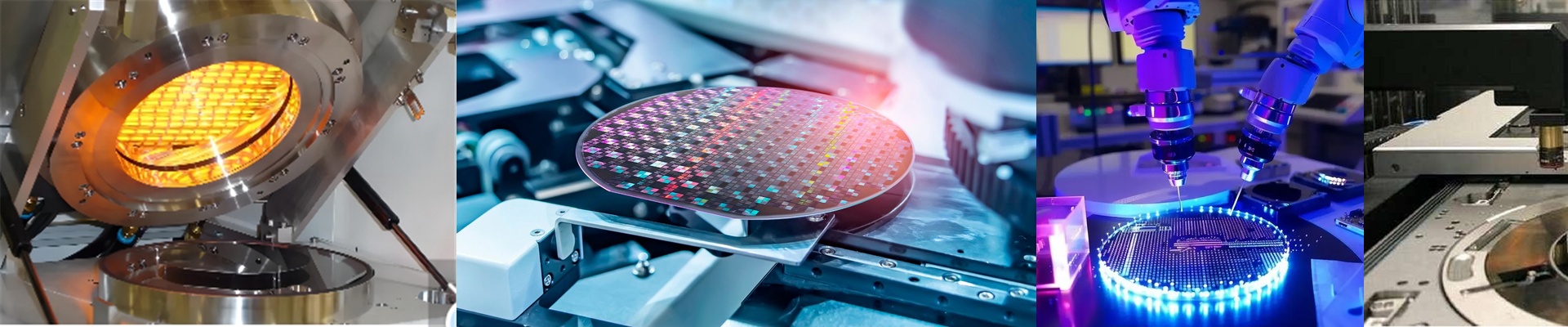

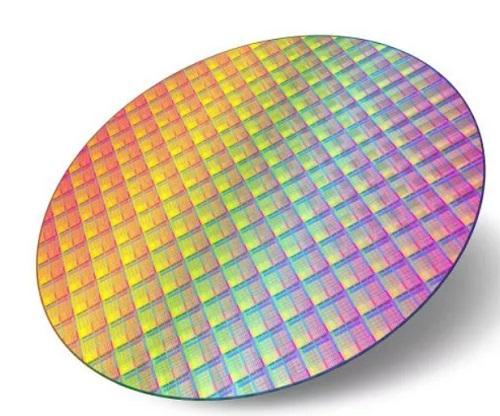
On the packaging line, one bit of leftover moisture after cleaning is all it takes to invite delamination, wire bond failures, and yield bleeding out. In a fab that never stops—running 24/7—thermal drift and particle excursions aren’t “risks,” they’re showstoppers. The drying step has to be repeatable, clean, and fast. Every shift. Every lot. What matters under the hood We build the drying thermal profile around two things: wafer-level uniformity and cleanroom discipline. The system holds setpoint within ±0.1°C across the substrate, so photoresist bake integrity—soft bake and hard bake—doesn’t get compromised. It runs in Class 1–100 environments with zero particle generation, verified by in-line monitoring. Component life is rated beyond 10,000 hours, and output stays stable across thousands of thermal cycles. Repeatability comes from closed-loop control, traceable recipes, and thermal-field mapping that erases edge-to-center deltas. Here is why it holds up in a packaging fab: throughput and yield are the only KPIs that matter. This approach dries wafers fast without blowing the thermal budget, which opens the door to tighter pitch, thinner dies, and more aggressive encapsulation windows. Energy use drops thanks to fast ramp control and minimal standby loss. And the reliability target translates into one practical outcome: no unplanned downtime. No scrambling for hot-swaps. No line stoppages. You get consistent moisture removal, predictable adhesion, and a stable process signature—lot after lot. A few realities you can’t skip. The platform needs a dedicated clean power feed and verified exhaust coupling. Without solid grounding and proper venting, electromagnetic noise and exhaust turbulence can introduce micro-vibration that bites placement accuracy. Initial integration also requires thermal-mass calibration across your carrier types. Different boats and frames behave differently. Once you map that out, the process locks in. But that setup step is non-negotiable.