

Cutting Carbon in the Fab: Why IR Heating Actually Works
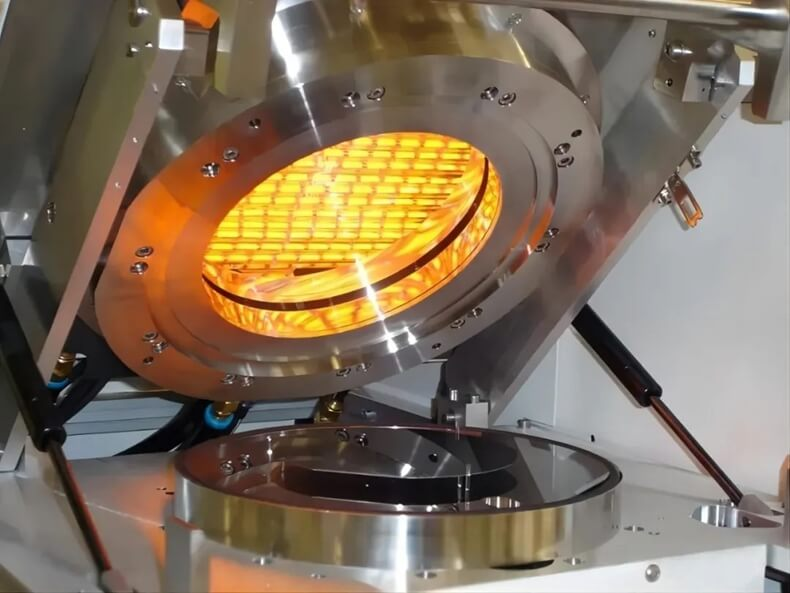
Let’s be honest: semi-fab clean rooms are absolute energy hogs. Most of that power is just disappearing into thermal processing. But lately, I’ve seen more engineers ditching those clunky old resistive heaters for short-wave infrared (IR) systems. It’s one of the fastest ways to actually hit those carbon neutrality goals without losing your mind. Here is the thing about the physics. Resistive heating is sloppy. It wastes a ton of energy warming up the air and the machine chassis before the wafer even feels a thing. IR is different. It sends energy via radiation straight to the target. It’s a night-and-day difference in your kWh consumption because the ramp-up time basically vanishes. You aren’t wasting power heating the entire room—you’re just heating the part. But you can’t just plug and play. When you’re planning an IR upgrade, you have to watch your power density. High-wattage quartz lamps are great for rapid curing or baking, but they put out a lot of radiant heat. If your HVAC isn’t ready for that extra load, you’re going to start triggering clean room alarms, which is a headache nobody wants. We usually suggest staggered firing cycles. It keeps the ambient temperature steady and keeps the alarms quiet. The nuts and bolts of the switch. Most of these systems are built to be drop-in replacements. We use standard connectors, so the wiring part goes by pretty quickly. And since we use quartz envelopes, you don’t have to worry about contamination messing up your yield. Now, there is a trade-off. Short-wave lamps don’t last as long as those old-school resistive coils. You’ll be swapping lamps more often. But when you look at the energy savings and the smaller carbon footprint, the maintenance cost is a rounding error. It’s basically a move away from “set it and forget it” hardware toward something much more precise and high-performance.