Stop Your Curing Lamps From Ruining Your Batch
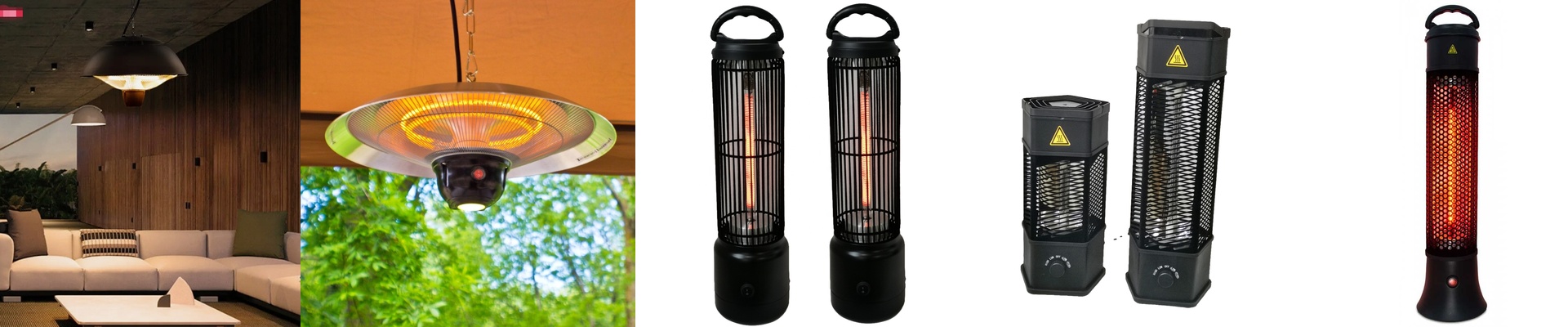
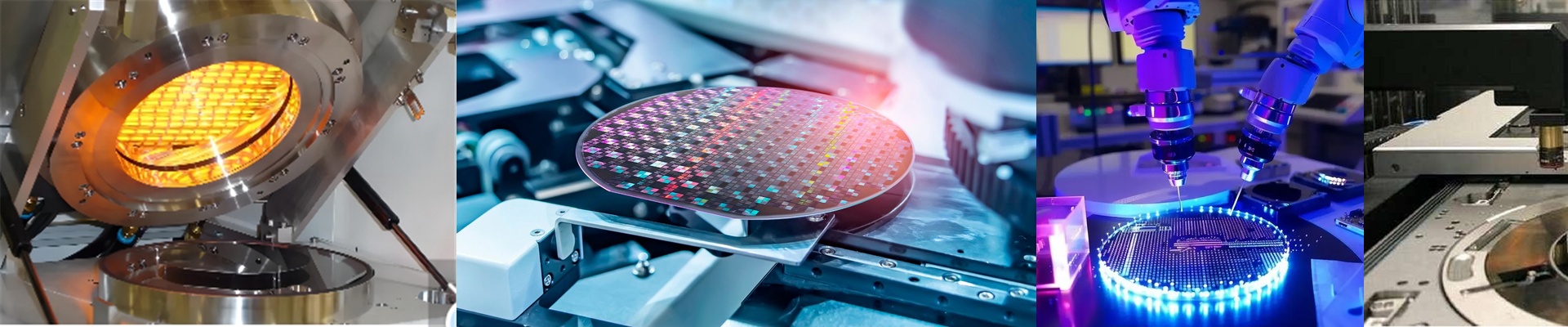
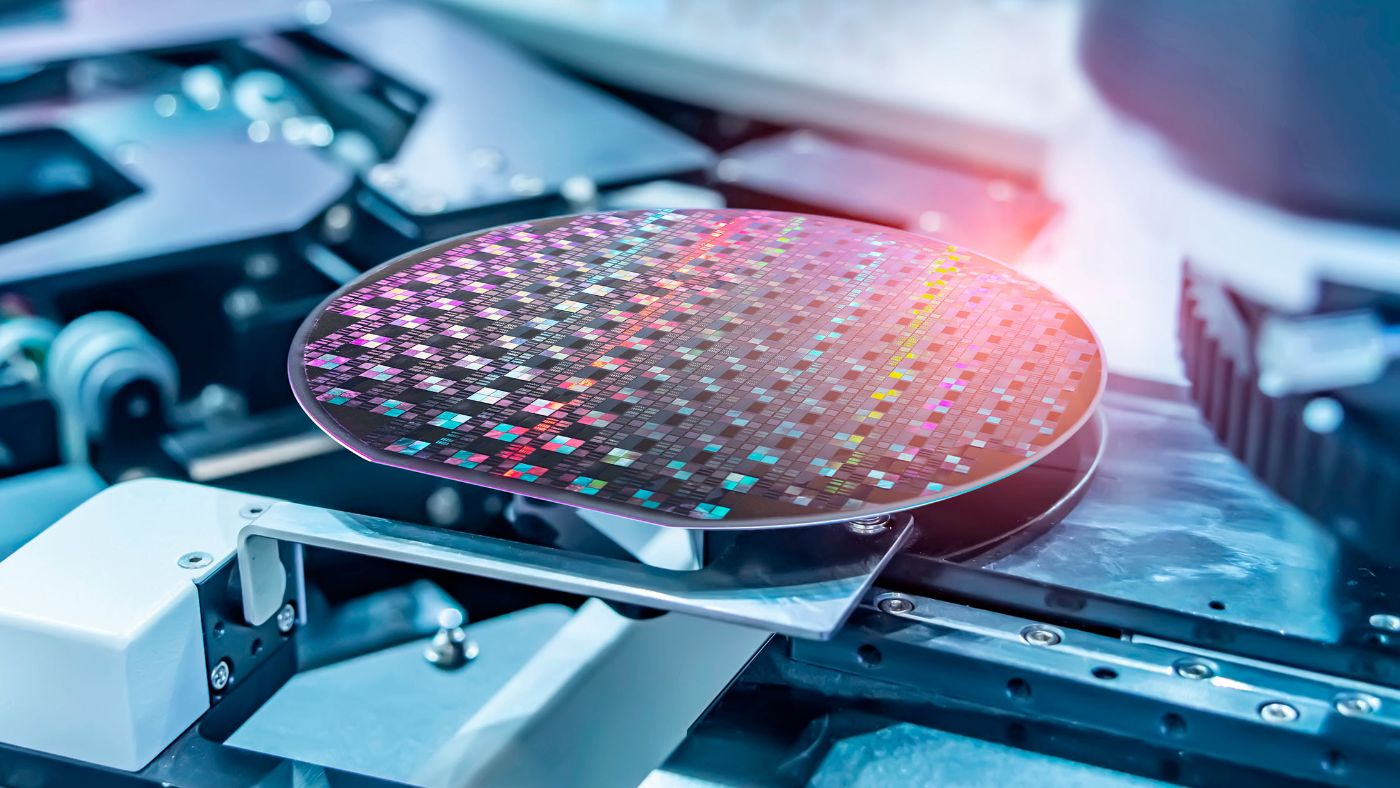
In a high-load fab, a lamp failure is a nightmare. It’s not just about the downtime. It’s the horror of a quartz tube bursting right over a silicon wafer. One second everything is fine, the next you’ve got glass shards and chemical gunk everywhere. It’s a mess that kills your yield instantly. We build our infrared curing lamps specifically to make sure that never happens. Dealing with the “Pop” Most quartz just can’t handle the shock of rapid cycling. You ramp the power up too fast, and crack—there goes your tube. We use high-purity synthetic quartz instead. It’s tougher. It handles extreme wattage without flinching. We also obsess over the wall thickness. If the glass is uneven, you get hot spots. Those hot spots are where the failure starts. By keeping the thickness precise, the heat spreads evenly, and the tube stays intact. Keeping the Glass Out of Your Wafers Even with the best glass, things can still go wrong. Filaments burn out. Accidents happen. That’s why we use protective sleeves and containment housings. If a tube does fail, the housing catches the debris. No glass dust on your wafers. No panic. We also put a lot of thought into the end-caps and seals. Cheap lamps tend to “leak” impurities when they get hot, which is a disaster for a cleanroom. Ours stay tight and clean. A Quick Warning on Heat Here’s the thing: these lamps put out a massive amount of IR energy. That’s great for fast curing, but it means your mounting brackets are going to get hot. Really hot. You’ve got to make sure your cooling system is up to the task. If your airflow is too weak, you’ll melt your wiring long before the lamp actually wears out. We design these for 24/7 environments. You get a steady heat profile and, more importantly, the peace of mind that a single lamp failure won’t scrap your entire production run.