


Stop Letting Your Heaters Ruin Your Cleanroom
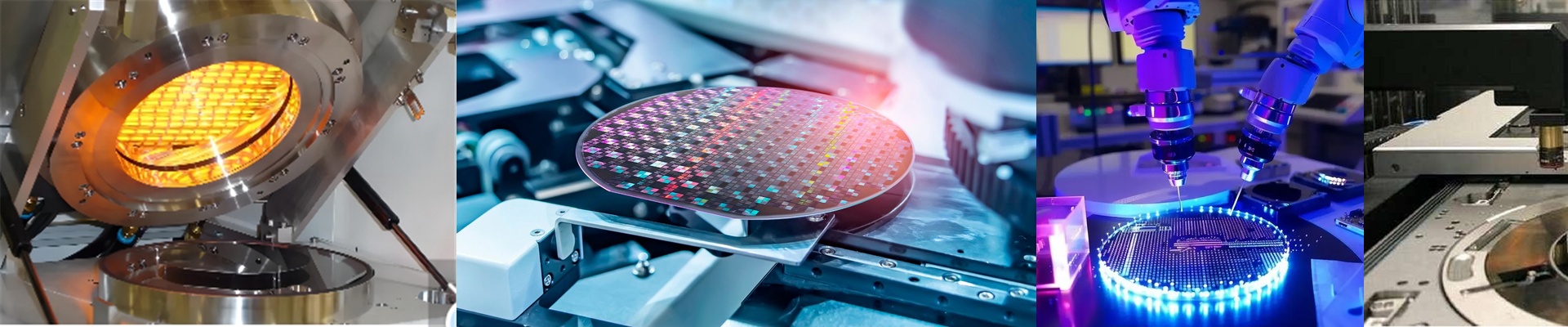
If you’re running a Class 100 cleanroom, you already know the nightmare of particulate shedding. One tiny flake or a bit of outgassing from a cheap heating element, and suddenly your wafers or medical implants are trash. It’s frustrating. That’s why we use high-purity synthetic quartz infrared lamps for those critical rinse and drying stages. The secret is in the quartz. We use a fused quartz with almost no impurities. Why? Because when the lamp heats up and cools down over and over, it doesn’t shed microscopic debris. Standard glass just can’t keep up—it’ll crack under the pressure of rapid temperature swings. Plus, we seal the quartz envelope to be completely waterproof. You can put these right into your rinse lines where there’s moisture or chemical vapors and not have to worry about a short circuit. Getting the heat just right These lamps hit you with concentrated short-wave infrared energy. It’s great because you can flash-dry a surface without turning the entire chamber into an oven. You can tweak the wattage and voltage to get the exact heat density your substrate needs. But a word of caution: high-wattage tubes gethot. Really hot. Make sure your cooling fans and housing materials are up to the task, or you might find your machine frame warping. Setting them up (and keeping them running) We kept the footprint small so they fit into tight spaces. The seals are tight, too—keeping the halogen gas inside and the gunk outside. One big tip: double-check your power supply. It needs to match the lamp’s voltage exactly. If you over-volt them, you’ll fry the filament in a matter of hours. Not a fun way to spend a Tuesday. The best part? These are usually drop-in replacements for most rinse-dry systems. Since there are no moving parts and nothing actually touches your product, you don’t have to worry about mechanical contamination. Just do me a favor:**don’t touch the quartz tubes with your bare hands during installation.**The oils from your fingerprints create hot spots, and that’s a fast track to a dead tube.