

Why Your Old Bathroom Heater is Failing (and What to Do About It)
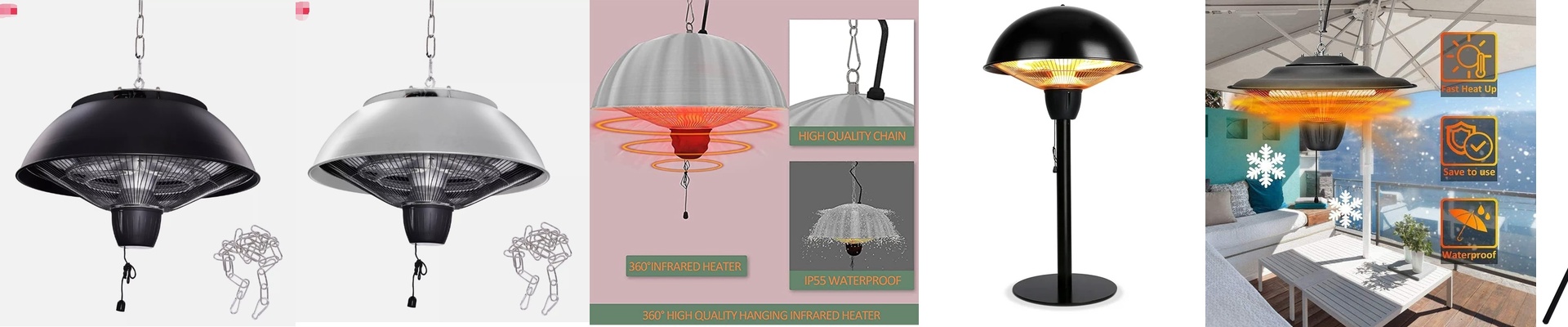
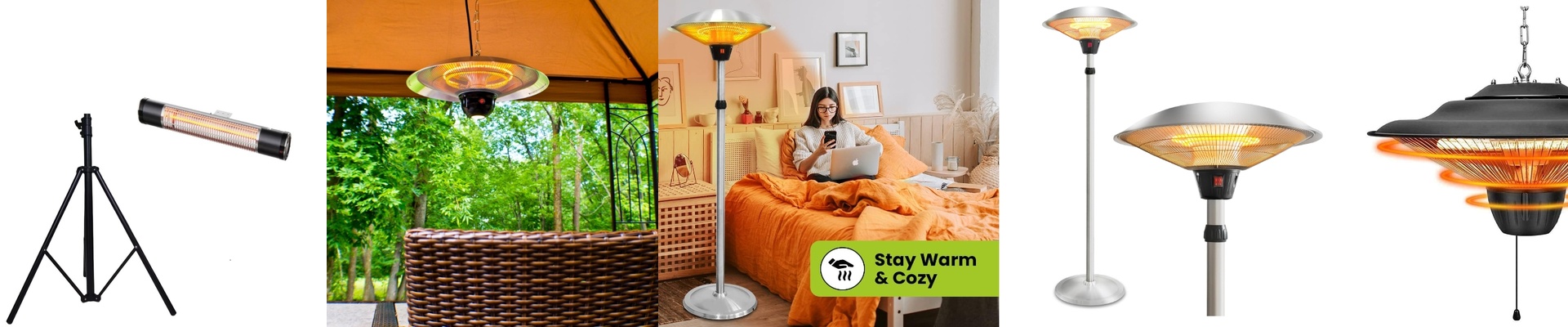
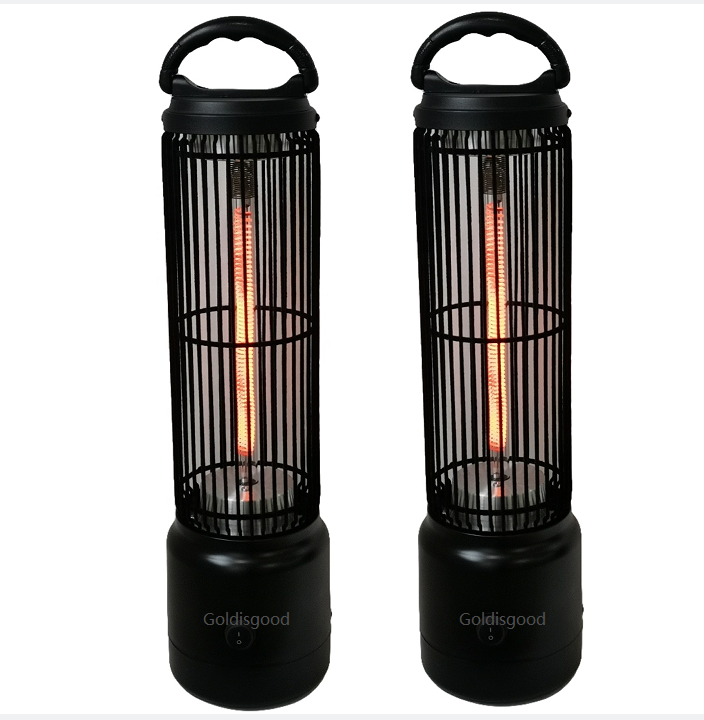
Let’s be honest: those old-school bathroom lamp heaters are kind of a joke. They’re basically just glorified lightbulbs that try their best to fight the cold. But the problem isn’t just that they aren’t very warm—it’s that they aren’t built for a bathroom. Steam, splashes, and constant humidity are a nightmare for electronics. Most standard heaters just aren’t sealed well enough. After a few months of heavy use, they start to corrode or just quit on you entirely. The secret is in the seal. When we talk about moving to waterproof infrared systems, we’re talking about a totally different build. We use units with high IP ratings, which is just a fancy way of saying “water can’t get in.” The heating element lives inside a quartz tube, and every single electrical connection is locked down with gaskets and sealed housings. You aren’t just swapping a bulb; you’re installing a circuit that’s actually built to survive a shower. But why infrared? Think about how a normal heater works. It tries to warm up the air. But air is terrible at holding onto heat, and in a bathroom, that warmth just floats straight up to the ceiling where it does nothing for you. Infrared is different. It doesn’t mess with the air; it sends out waves of heat that hit your skin and the floor directly. It feels like stepping into a patch of sunlight on a winter day. It’s instant. No more shivering for ten minutes while you wait for the room to “warm up.” We even use special coatings on the tubes so the heat actually reaches you instead of just baking the ceiling tiles. A few things to watch out for during install. Here is the catch: you can’t just plug these into any old outlet and call it a day. These units pull a lot of power. If you try to run a high-wattage array on a weak circuit, you’re going to be tripping your breakers all morning. Check your amperage first. It’s worth the extra effort to make sure your wiring can actually handle the load. Also, keep in mind that these aren’t tiny. They take up more room than those old bulbs. You’ll need to plan your ceiling cutouts carefully. And for heaven’s sake, keep them away from plastic fixtures. If they’re too close, that plastic will warp or melt. Give the unit some breathing room and stick to the clearance specs.