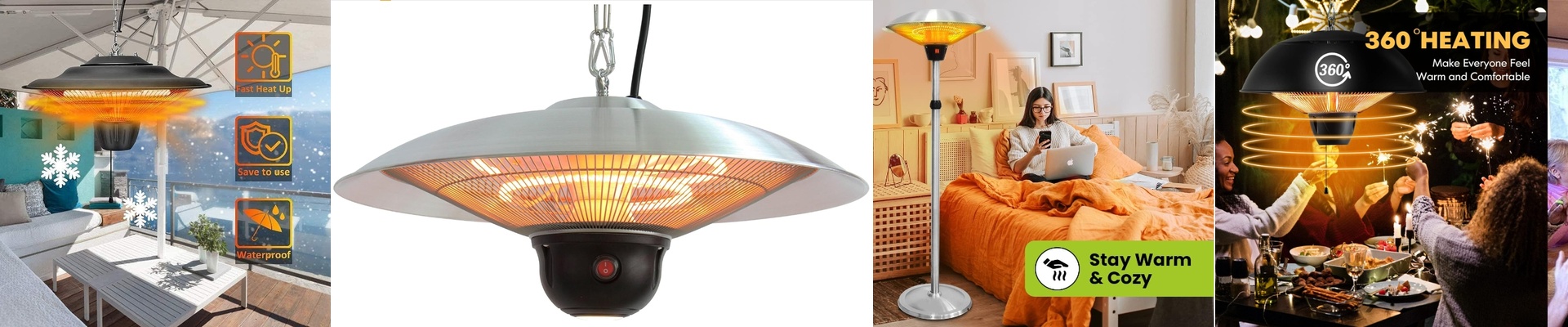

Why You Can’t Cut Corners With Bathroom heater Tubes
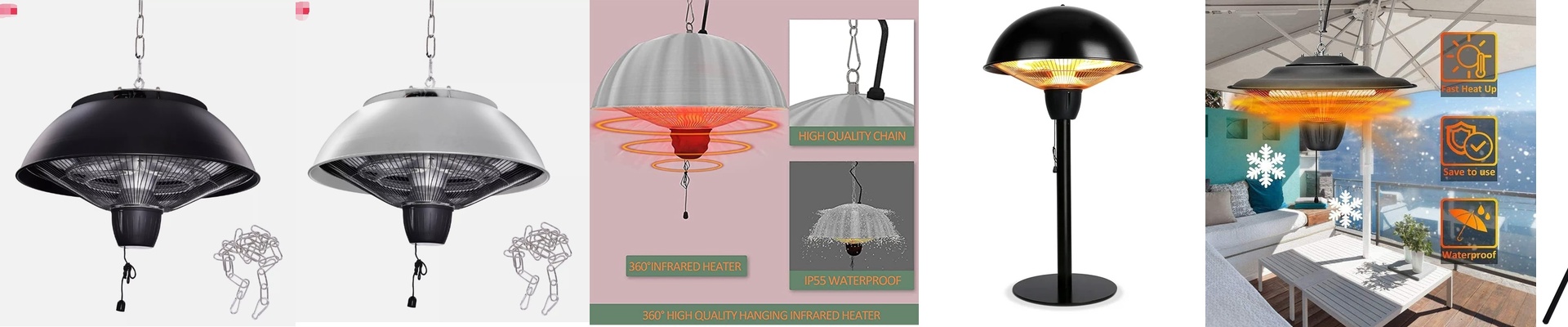
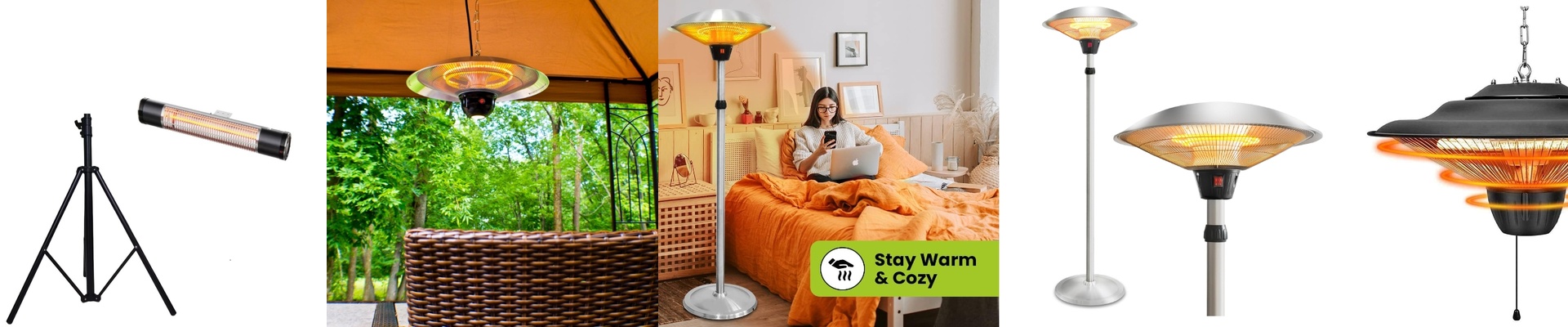
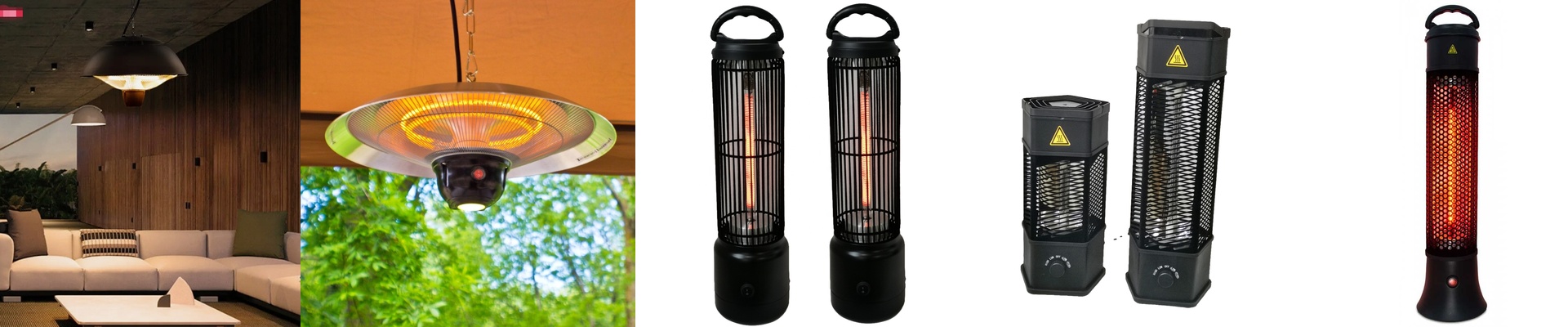
Putting a heater in the shower is a bit of a gamble. You’ve got high heat, thick steam, and splashing water all in one tiny space. It’s a recipe for disaster if the hardware isn’t up to the task. That’s why we built our infrared lamps with an IP66 waterproof rating and, more importantly, explosion-proof quartz tubes. Here is the deal with the quartz. If you use a standard tube and a few cold drops of water hit it while it’s glowing hot, it can snap. That’s called thermal shock. In a living room, that’s a nuisance. In a shower? It’s a nightmare. You can’t have glass shards or electrical sparks flying around while someone is scrubbing their hair. Our specialized quartz is built to handle those wild temperature swings. It doesn’t panic when cold water hits it. Even if the worst happens, it’s designed to fail safely, not blow up. Then there’s the moisture. We use an IP66 rating, which is just a fancy way of saying the housing is tight. It keeps dust out and laughs at powerful water jets. We’ve sealed the electrical connections and used high-temp gaskets so steam can’t sneak into the circuitry. Water and electricity are a terrible mix, so we make sure they never even meet. Now, there is a trade-off. These lamps give you instant, cozy heat. No waiting around for a room to warm up—you feel it the second you flip the switch. But because that heat is so concentrated, the tubes get seriously hot. You’ll need to make sure the guards are installed correctly and that there’s plenty of breathing room around the fixture. You don’t want your surrounding walls or trim overheating just because the lamp is doing its job. One last tip: wire this into a dedicated GFCI circuit. It’s like an extra insurance policy for your safety. When you pair that with an IP66 chassis and explosion-proof quartz, you’ve pretty much fixed every major worry that comes with heating a wet room.