
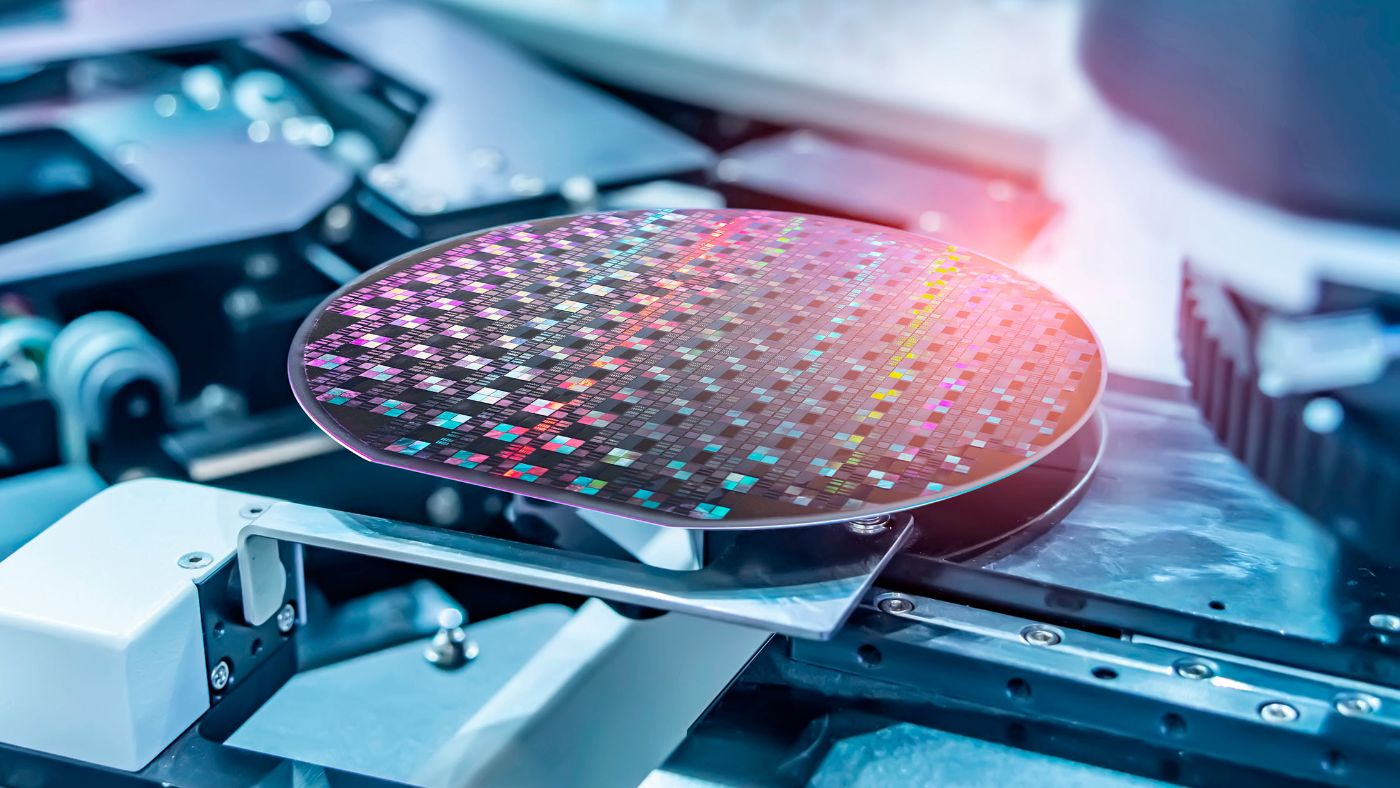
Why we use Infrared Curing for Lead-Free Semi Standards
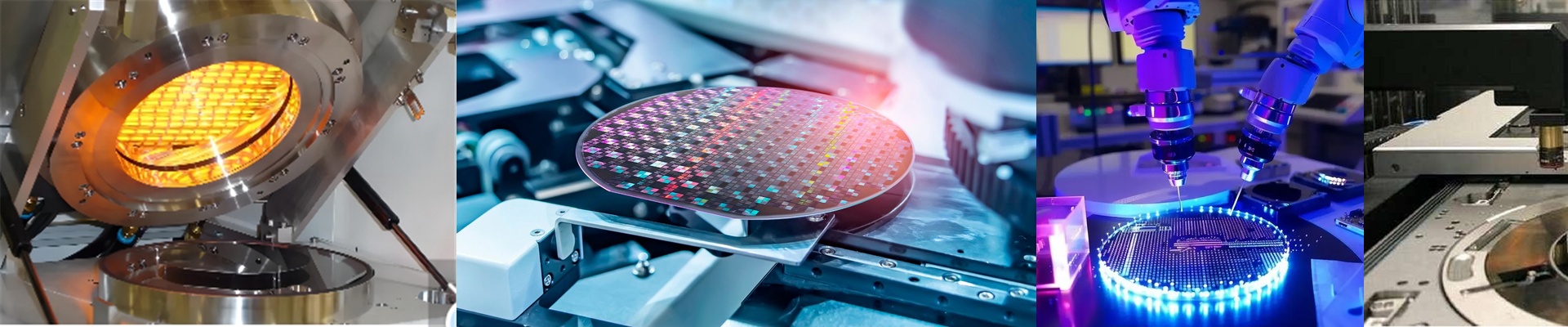
When you’re drying MEMS sensor wafers, you’ve got a tricky problem. You need to get rid of every last drop of moisture and solvent, but you can’t leave a single speck of residue behind. And you definitely can’t stress the wafer with too much heat, or the whole thing is ruined. That’s why we stick with infrared (IR) curing. Instead of heating up a giant box of air and hoping for the best, IR sends energy straight into the substrate. No convection ovens, no relying on hot air, and no messy chemical catalysts. The magic of IR drying Traditional baking is slow. IR is different. These lamps shoot out shortwave radiation that hits water molecules and excites them instantly. It’s fast. Really fast. The best part? It stops that annoying “skinning” effect where the top layer dries too quickly and traps moisture underneath. Plus, since the heat is targeted, the rest of the chamber stays cool. Your power bill will thank you. Keeping it clean and green The industry is finally ditching lead-based solders and those nasty halogenated cleaners. IR curing fits right into that shift because it’s a “dry” process. You aren’t pumping out VOCs or burning chemicals to get the heat you need. It’s just electricity turning into radiant energy. For anyone running a cleanroom, this is a huge relief—there’s just no risk of cross-contamination. The balancing act Now, it’s not all plug-and-play. You have to be careful. High-intensity heaters are great for keeping a high-throughput line moving, but you have to watch your thermal budget. If you crank the power too high, you’ll warp the wafer or fry those delicate MEMS structures. It’s a bit of a dance between the lamp wattage and how fast the conveyor is moving. We usually pair these heaters with PID controllers so the temperature doesn’t spike. Without tight voltage control, a wafer can overheat in a heartbeat. One last pro tip: make sure your cooling fans are actually pulling heat away from the lamp sockets. If you’re running 24/7, that’s the only way to keep your wiring from melting.