Stopping Wafer Contamination When Your Heating Hits the Limit
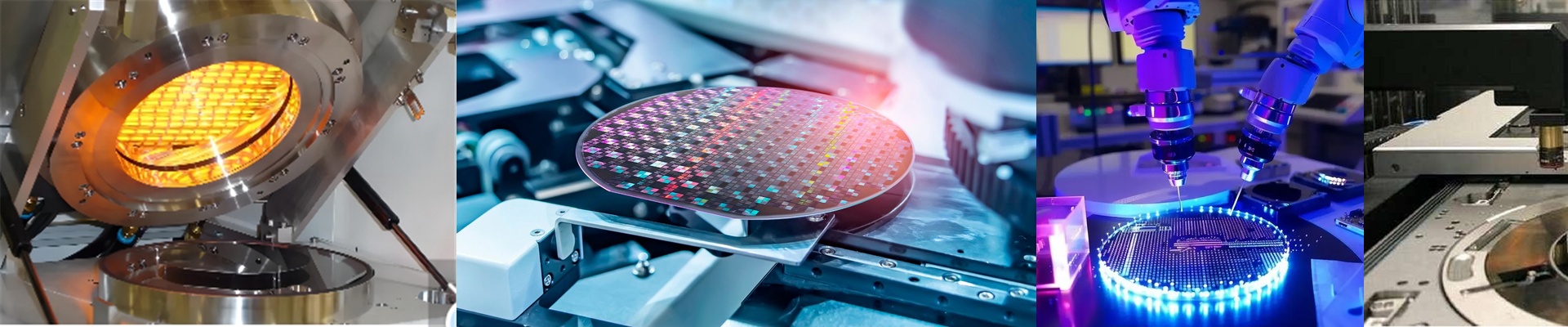
In a semiconductor fab, a lamp bursting is more than just a headache or a bit of downtime. It’s a nightmare. When a quartz tube pops under a heavy load, it doesn’t just stop working—it showers your wafers in shards and particulates. We built our UHP heater lamps to stop that mess from ever happening.
The secret to stopping the burst
We start with synthetic fused silica. It’s incredibly pure (over 99.99%), which means it can handle the brutal thermal shock of rapid cycling without developing those tiny micro-cracks that eventually lead to a break. Most of the time, the failure happens at the pinch seal—that spot where the electrodes meet the quartz. We’ve reinforced these areas so the seal stays tight, even when the internal pressure of the halogen cycle is pushing hard. Then there’s the filament. We center the tungsten within microns. Why? Because if it’s even slightly off, you get a hot spot on the tube wall. That spot weakens the quartz. Then, boom. Precise centering keeps the heat even and the tube intact.
Keeping the mess contained
Even with the best materials, we still plan for the worst. We wrap the heating element in a high-purity quartz sleeve or a protective shroud. Think of it as a safety net. If the inner lamp does burst, the shroud catches the glass and gas. Your wafers stay clean, and your yield stays safe. One quick tip: stick to our voltage specs. It’s tempting to over-volt the lamp to get more heat, but that’s a gamble. It eats the filament alive and makes a rupture way more likely.
The trade-off
Here’s the honest part. Those protective shrouds add some thermal mass. Because of that, your ramp-up and ramp-down times will be a little slower than they would be with a bare lamp. You’ll probably need to tweak your PID tuning to keep your temperature control tight. It’s a small price to pay. Better a slightly slower ramp than watching your entire batch go to waste because one lamp gave up.