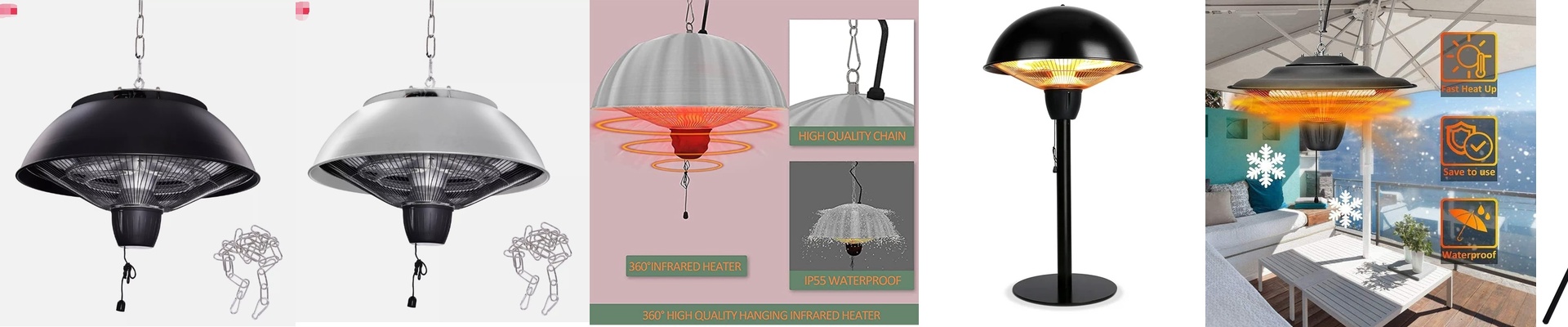
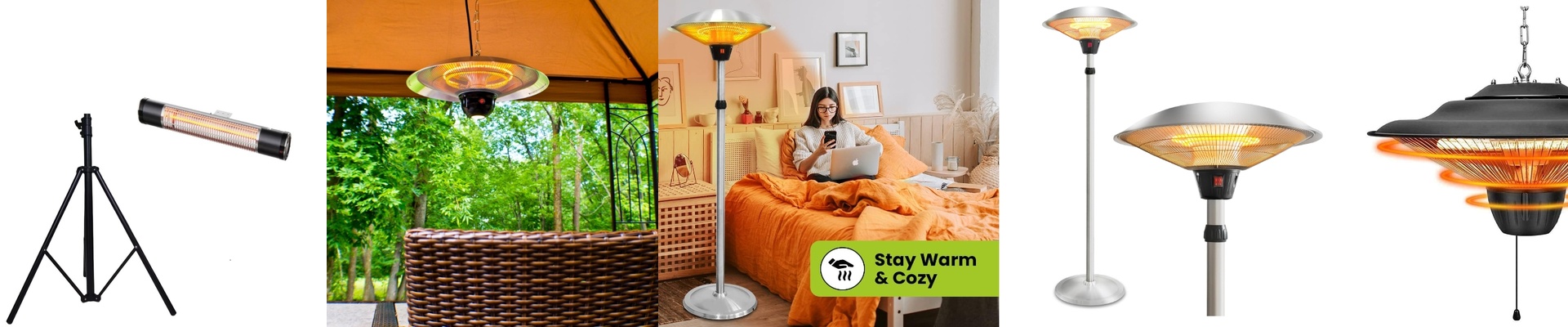
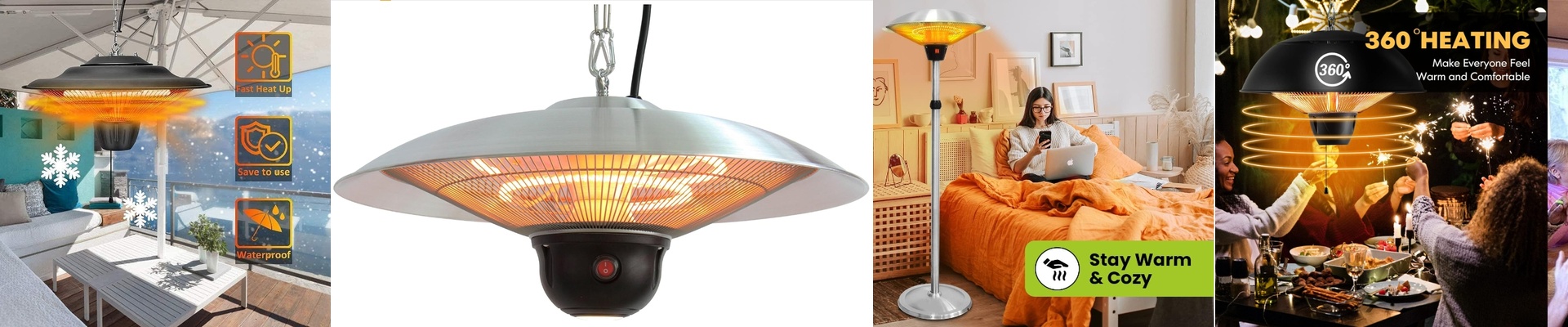

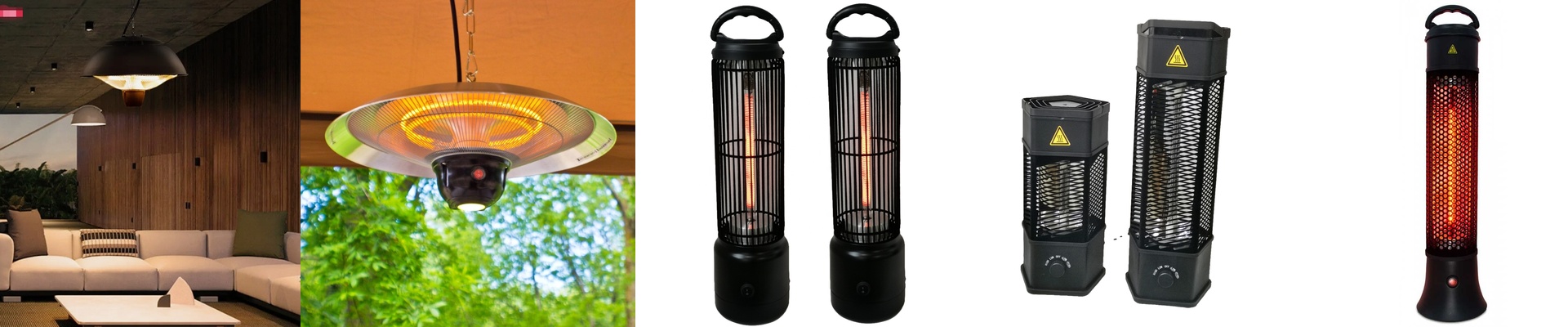
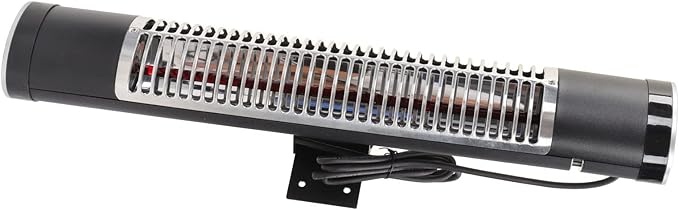
How to Get the Heat Without the Glare
When you’re putting an infrared heater in a bathroom or under an outdoor pergola, the biggest headache isn’t actually the heat. It’s the light. Think about it. You’ve got people—and sometimes babies—hanging out right under these things. If you use a standard high-intensity short-wave lamp, you’re basically staring into a spotlight. It’s harsh. It causes glare. It’s just not a vibe. The trick is shifting the spectrum. Most basic lamps just blast energy into the visible and near-infrared range. To fix that, we use specific quartz coatings and filament mixes. This basically filters out that annoying “blue light” and the blinding glare. Instead, we push the energy into the mid-to-long wave range. You still get that deep, cozy warmth on your skin, but your eyes aren’t fighting a battle against a bright light. It’s much more relaxing. Dealing with the elements Bathrooms and patios are basically moisture traps. Steam, rain, humidity—it’s a mess. That’s why we use IP-rated enclosures. We have to keep the steam and rain far away from the electrical terminals. Why? Because a short circuit in a high-wattage heater is a recipe for a fire. We also use corrosion-resistant alloys for the housing. Nobody wants a heater that looks like a rusted piece of junk after one winter. The honest trade-off Here’s the catch. When you filter the light to make it safer and softer, you lose a little bit of that “instant” heat punch you get from those blinding short-wave tubes. It’s a small price to pay for your eyesight, but you should know about it. You might find you need to bump up the wattage or move the heater a bit lower to get that same “toasty” feeling. One last thing: if you’re wiring these into your home,**double-check your amperage.**These things pull a lot of power. Make sure your breakers can handle a few of these running at once, or you’ll be spending your evening staring at a tripped fuse box.