Don’t Heat Your Roof: A Quick Guide to Patio Heater Clearance
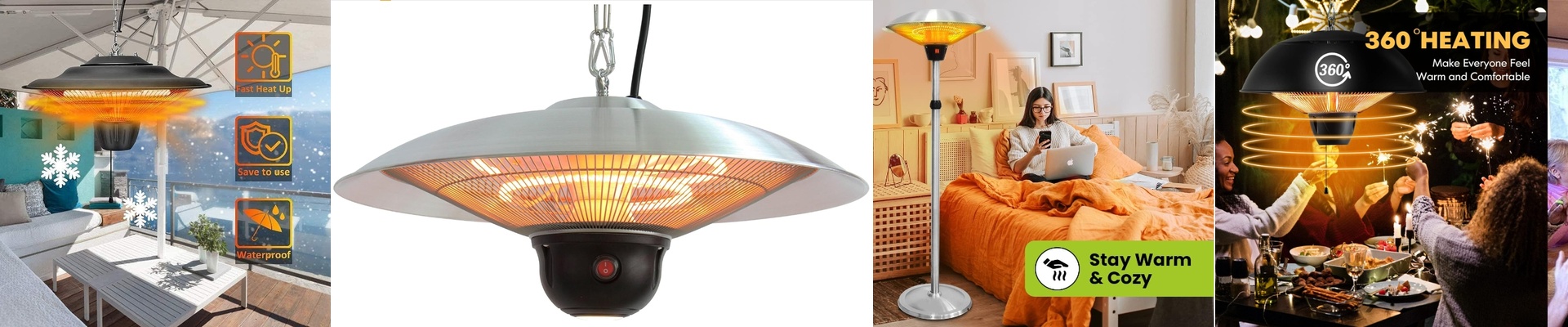
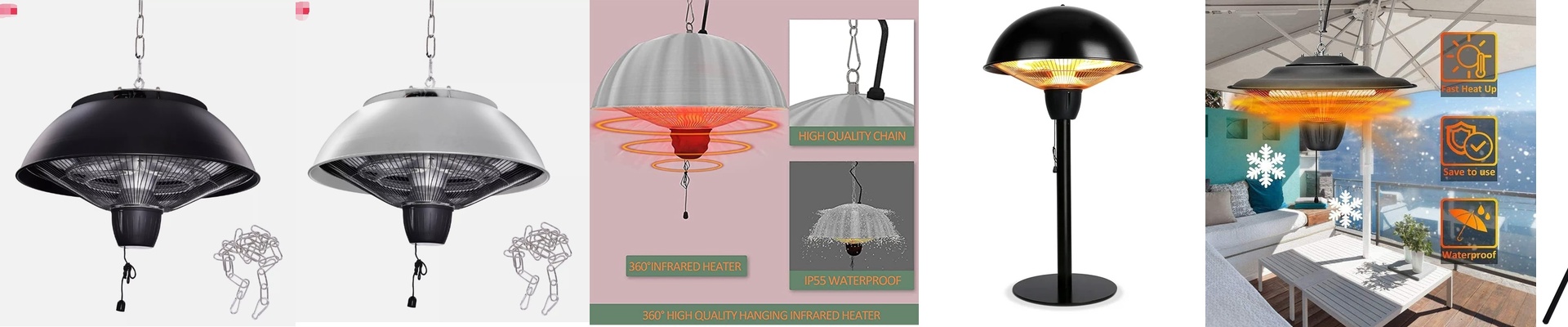
If you’re putting infrared heaters in an open-air restaurant, don’t just grab a high-wattage unit and slap it on the ceiling. There’s a trick to it. If you get the distance wrong, you’ll end up wasting a ton of energy heating your roof instead of your customers.
The “Heat Trap” Problem
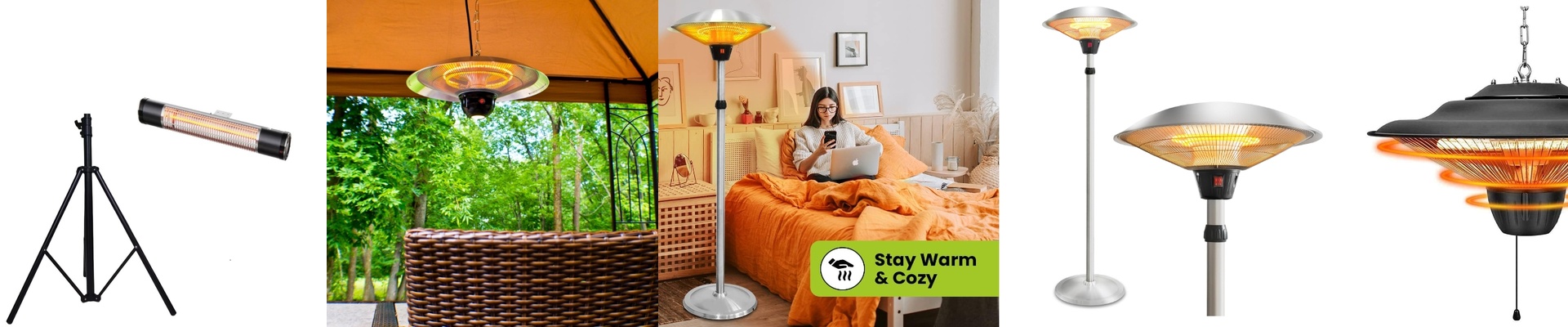
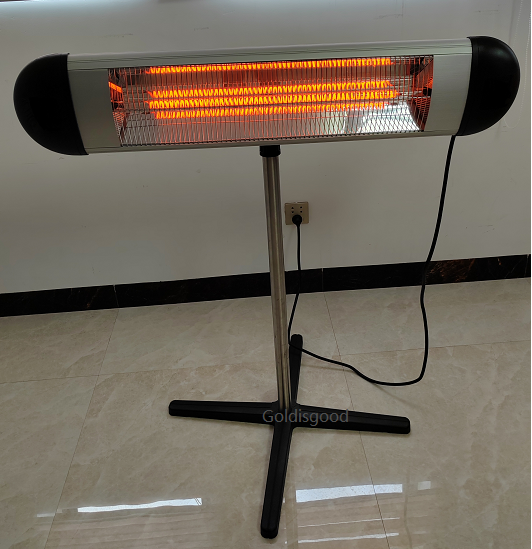
Here is the thing about infrared waves: they move in a straight line until they hit something. If you mount a heater too close to your ceiling or canopy, you create a heat trap. Hot air naturally wants to go up. When there isn’t enough room, that heat just piles up at the top. This can make your unit shut off too early because it thinks the room is warm, or—even worse—it can actually scorch your ceiling. Give it some breathing room. We usually suggest leaving about 18 to 24 inches of space. That gap lets the air move and stops those annoying “hot spots” from forming. And if your ceiling is made of something that could actually catch fire, you’ll want to install heat shields. Better safe than sorry.
Keeping the Seats Full
Nobody wants to sit in a drafty patio in November. It’s miserable. The beauty of shortwave infrared is that it heats things—people, chairs, tables—rather than the air itself. Since you aren’t trying to warm the wind, the heat actually stays where it belongs. When guests feel cozy, they stay. They order another round of drinks. They order dessert. It’s pretty simple: if they aren’t shivering, they’re spending. We’ve seen a huge jump in occupancy during the winter months just by getting the thermal layout right.
A Few Things to Watch Out For
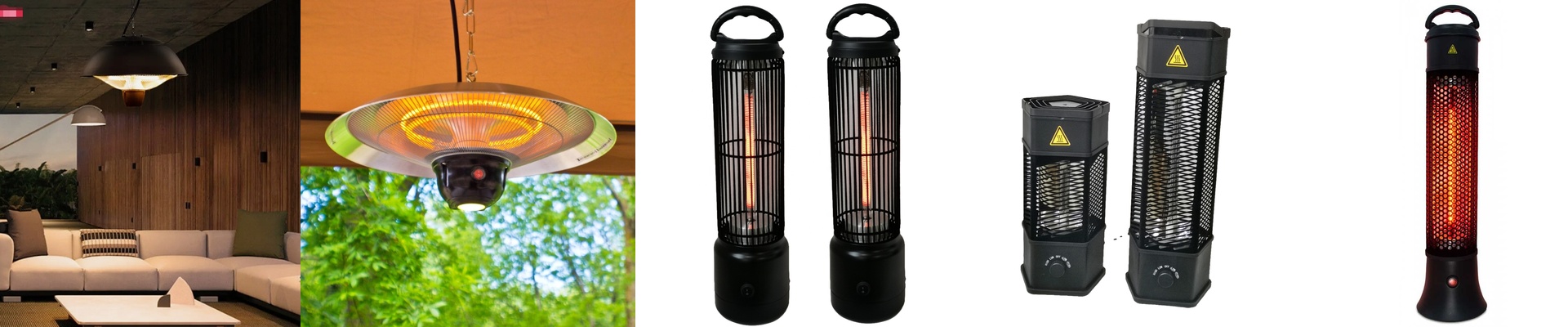
High-output heaters are great for pushing out a lot of warmth, but they’re power-hungry. You can’t just plug these into a regular wall outlet and hope for the best. You’ll need a dedicated circuit, otherwise, you’re going to be tripping breakers right in the middle of a Friday night rush. One last tip: remember that distance equals intensity. The closer the heater is to the guest, the more “intense” the heat feels. You have to find that sweet spot between your ceiling height and the wattage so the people sitting directly underneath don’t feel like they’re being baked in an oven.