
Why “IP55” Isn’t Just a Number on a Page
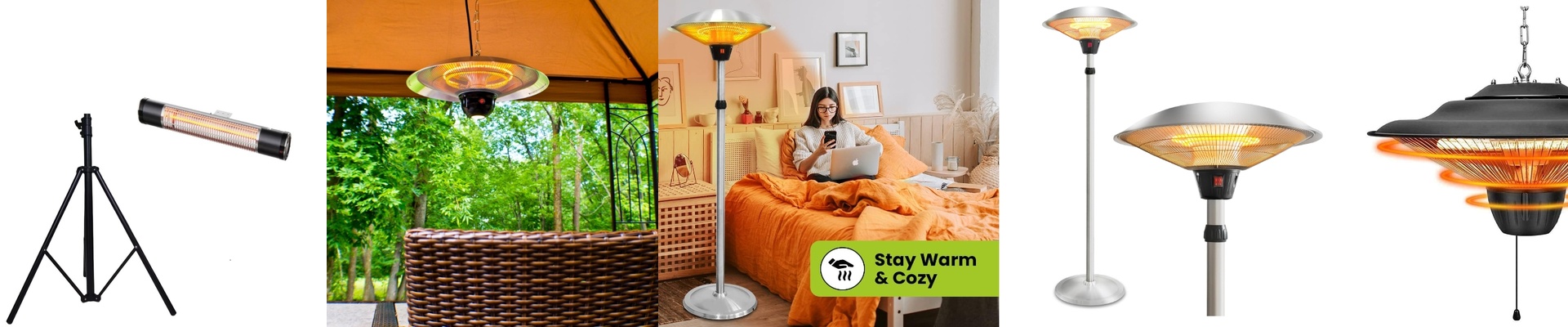
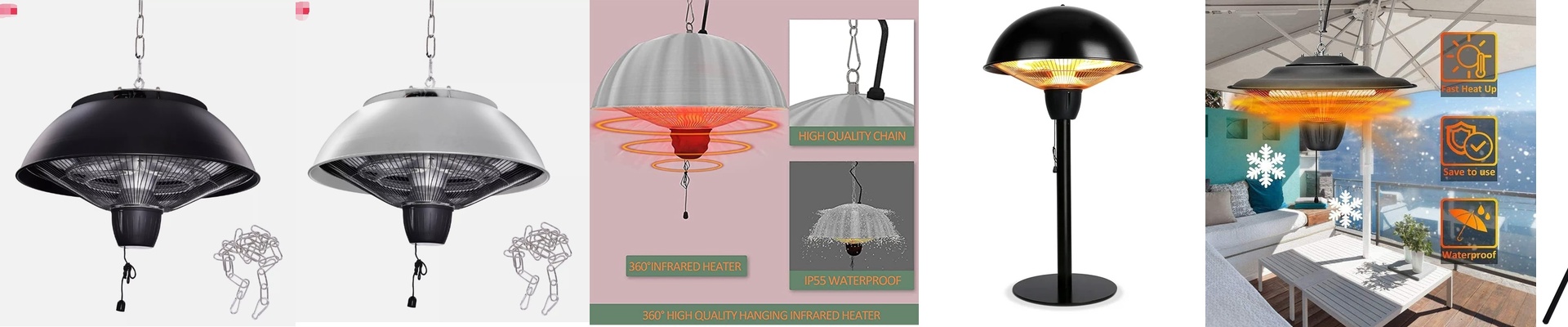
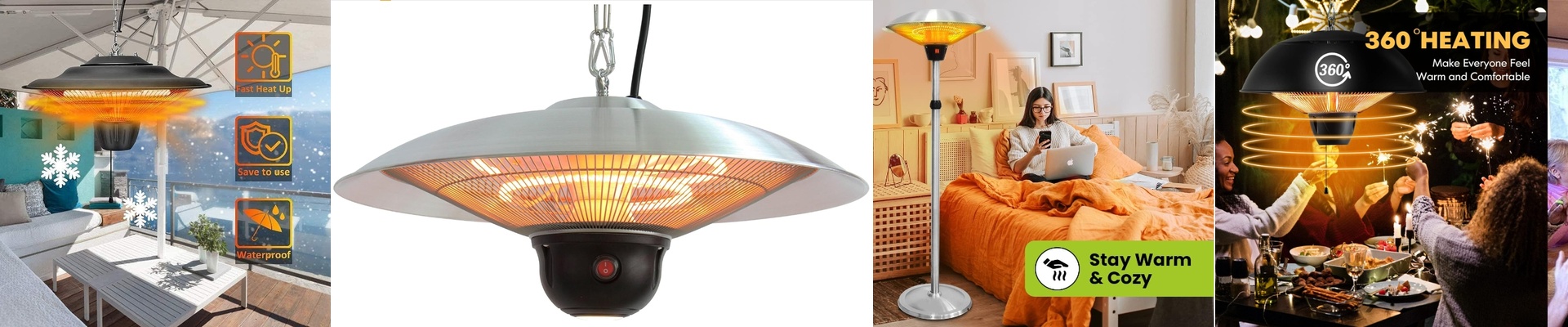
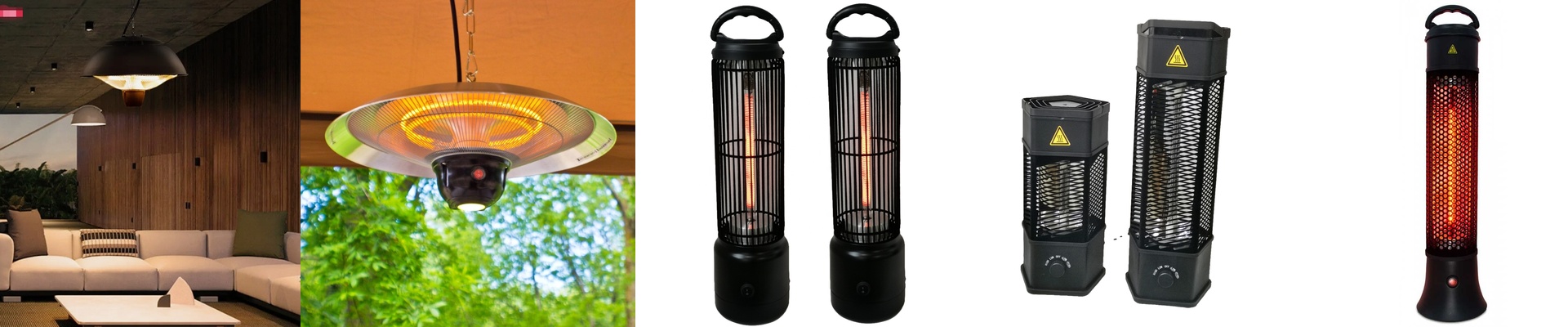
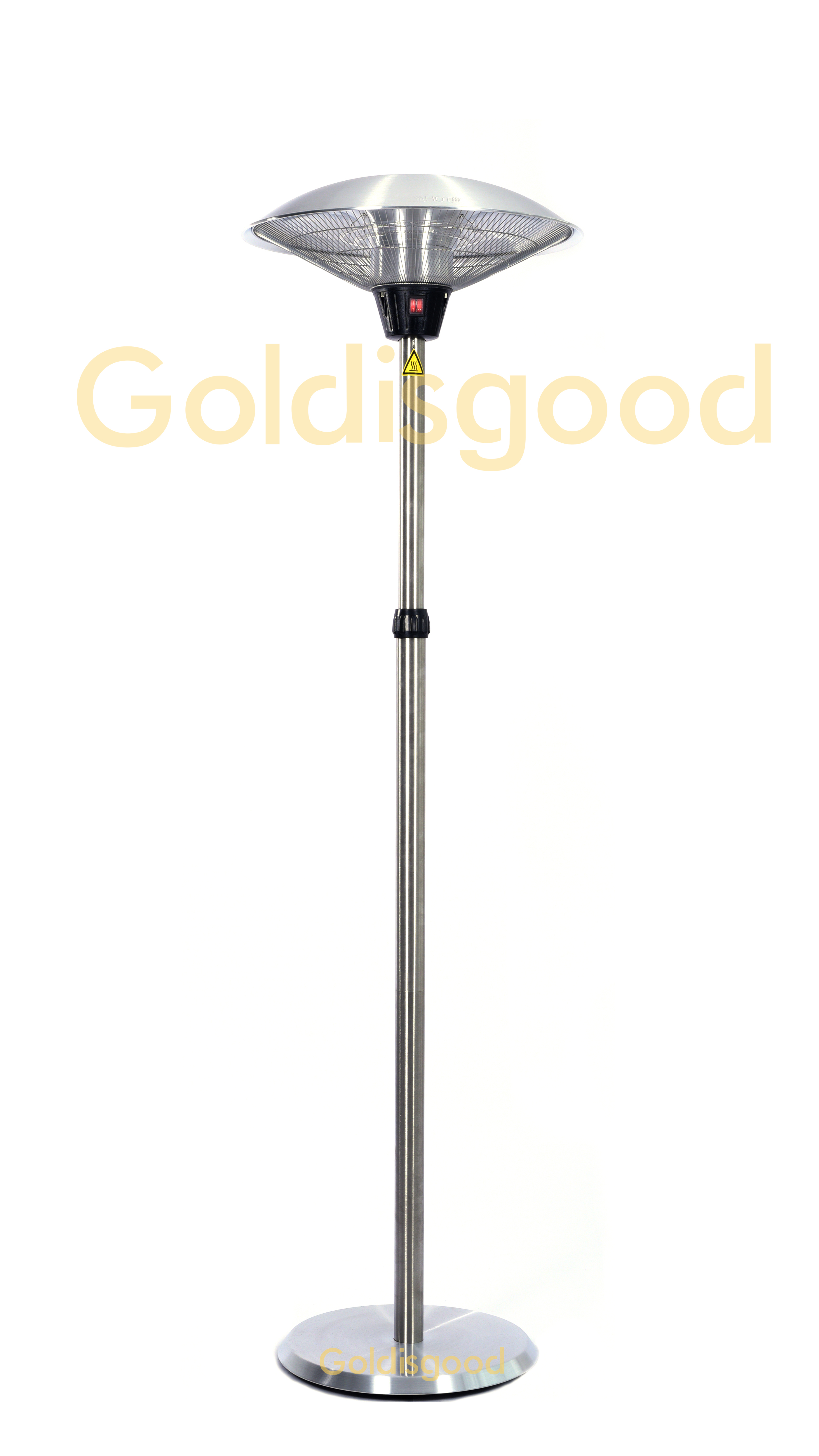
We build infrared heaters for patios and bathrooms, so they have to handle moisture. Now, you’ll see “IP55” on the spec sheet. That’s great, but a rating is just a piece of paper. In the real world—like a steamy bathroom or a rainy deck—these units deal with constant cycles of fog and condensation. That’s why we don’t just trust the rating. We put every batch through a brutal “damp-heat” aging process to see what actually happens over time.
The problem with steam
Here’s the thing: IP55 means the housing can stop dust and a few splashes of water. But steam? Steam is a different beast. Water vapor can sneak through seals that liquid water can’t touch. Once it’s inside, it settles right on the electrical terminals and the infrared emitter. If a seal wears down or the material gets brittle, you’re looking at short circuits or a lamp that burns out way too soon. We don’t just turn them on and see if they work. We soak them in high heat and humidity for 500 hours. We’re looking for the slow fail—the kind where a gasket starts to give up after a few months of hard use.
Heat, rust, and the “vacuum” effect
Infrared lamps get incredibly hot. This creates a weird situation where you have a scorching emitter inside a cool, damp casing. That temperature difference basically acts like a vacuum, sucking moisture toward the internal guts of the machine. If the plating on the terminals isn’t perfect, the humidity will eat right through it. That causes oxidation. When that happens, electrical resistance goes up, things start to overheat, and suddenly you’re tripping your breaker or smelling melted wires. Not a great experience.
Finding the sweet spot
You might think, “Just seal it tighter then!” But there’s a catch. If you seal a heater completely shut, you trap the heat inside. You end up cooking your own electronics. It’s a balancing act. We design the IP55 seal to keep the water out, but we leave just enough room for the unit to breathe. It means you need to give the heater a bit of mounting clearance, but it ensures the thing doesn’t burn itself out while it’s keeping you warm. We spend a lot of time in those aging cycles just to make sure that balance is exactly where it needs to be.