

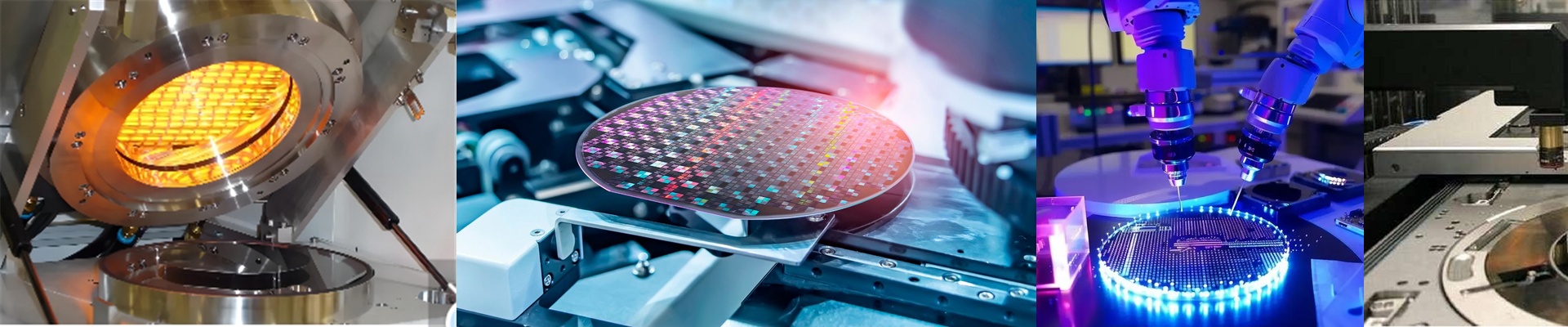
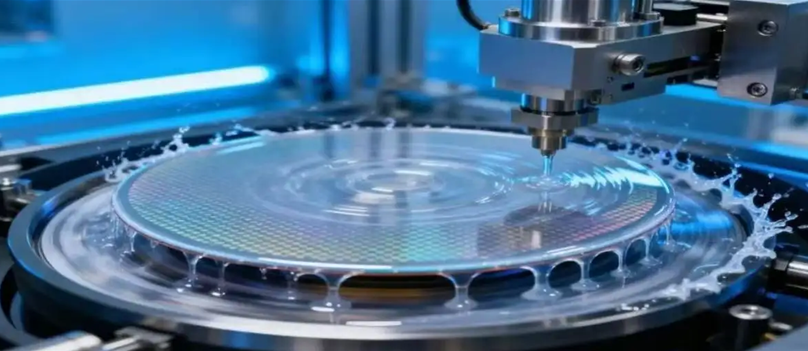
When you’re making hydrogen sensors, the heat has to be exactly right. No guessing. We build heaters that hold those tight tolerances, but the real challenge is making sure there’s zero electrical leakage. Because let’s be honest: one tiny insulation failure can trash an entire batch of sensors or, worse, trip a safety shutdown that kills your whole production line. That’s a headache nobody wants. No shortcuts on testing We don’t do “sample testing” here. We don’t just pick a few tubes and hope for the best. Every single tube goes through a full voltage withstand (Hi-Pot) and insulation resistance test before it even thinks about leaving our floor. We push the dielectric limits. We want to know right now—not later—if the quartz or the electrode seals are going to give way under pressure. If a lamp shows even a hint of leakage current beyond the spec? It goes in the scrap bin. Period. The grit of it High-voltage heating elements create a lot of electrical pressure. If the insulation isn’t perfect, the current just arcs right to the chassis. To stop that, we use high-purity quartz and some very specific sealing glass. It keeps the heat in the filament and the current exactly where it belongs: in the circuit. Real-world talk This strict testing kills “infant mortality.” You know the feeling—wiring up a new part only for it to burn out or short the first time you flip the switch. We make sure that doesn’t happen. One thing though: our insulation can handle the extreme stuff, but your machine’s grounding has to be spot on. If your grounding is sloppy, it can bypass the lamp’s internal safety and leave you with a floating voltage risk. Just keep an eye on that. Plus, we send over the data sheets for every batch. You’ll see the exact insulation resistance values for your specific heaters. It means you can set your circuit breakers and safety relays with total peace of mind, knowing your system won’t trip the moment you start a thermal ramp-up.