Keeping People Warm in Wet Changing Rooms
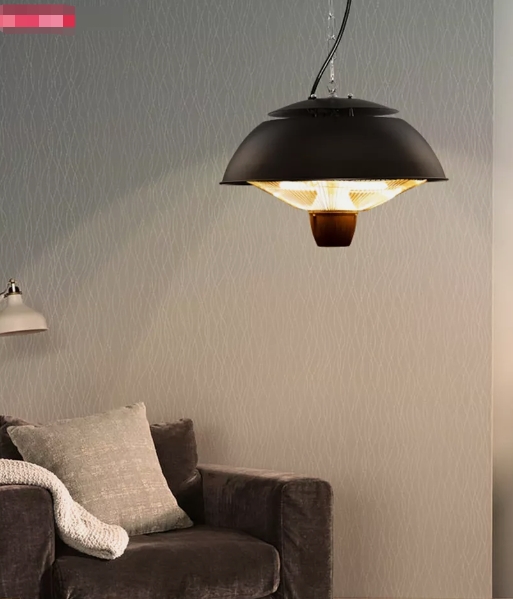
Ever tried to warm up a freezing changing room in a matter of seconds? If you try to just “heat the air,” you’re fighting a losing battle. Instead, we use shortwave infrared. It doesn’t bother with the air—it goes straight for the people and the surfaces. It’s the difference between waiting for a room to warm up and stepping into a beam of sunlight on a cold day. You feel it instantly.
Why Infrared Actually Works
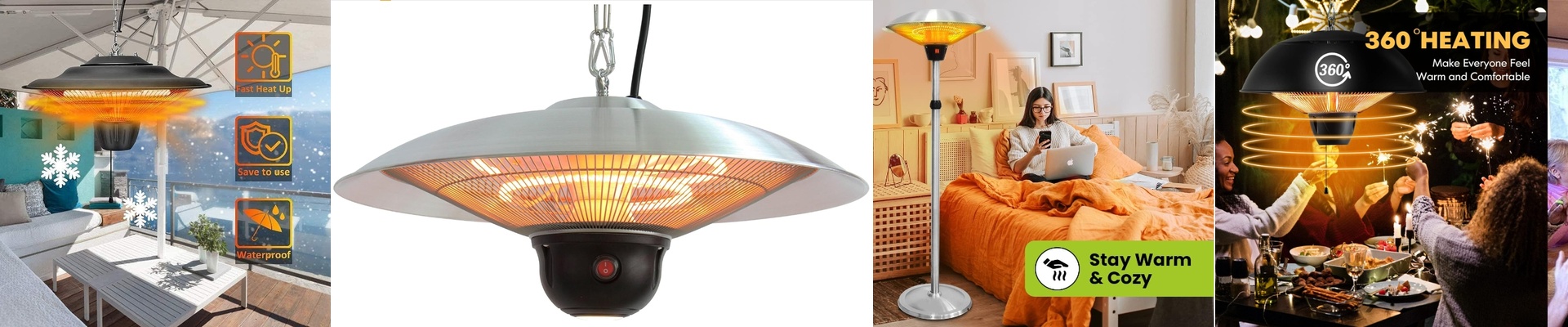
Most heaters are basically just fans that push warm air toward the ceiling. That’s a waste of power. Our IR units project energy in a straight line. The second you flip the switch, the heat hits. No waiting, no lagging. Just immediate warmth.
Dealing with Steam and Splashes
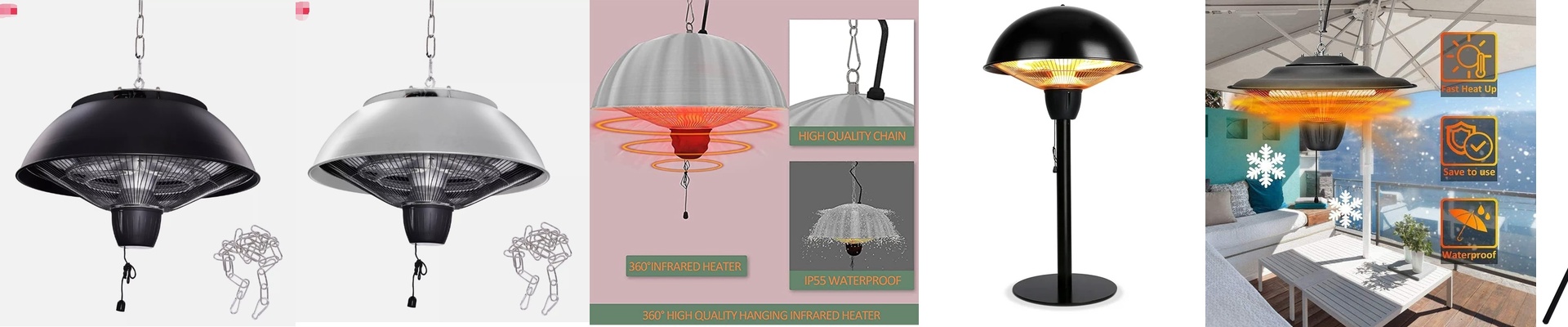
When you’re dealing with showers and steam, water is the enemy. That’s why we stick with IP65-rated gear. In plain English? The housing is sealed tight. Dust stays out, and splashes or steam can’t get inside to fry the circuitry or rust out the elements. It’s built to survive the damp. Under the hood, we use quartz glass tubes and high-wattage filaments. This lets us keep the units small without sacrificing the punch. One heads-up, though: these things pull a lot of juice. If you’re wiring these into your grid, make sure your breakers and wiring can actually handle the load. Nobody likes a breaker that trips every time someone wants to get warm.
The Trick to Installation
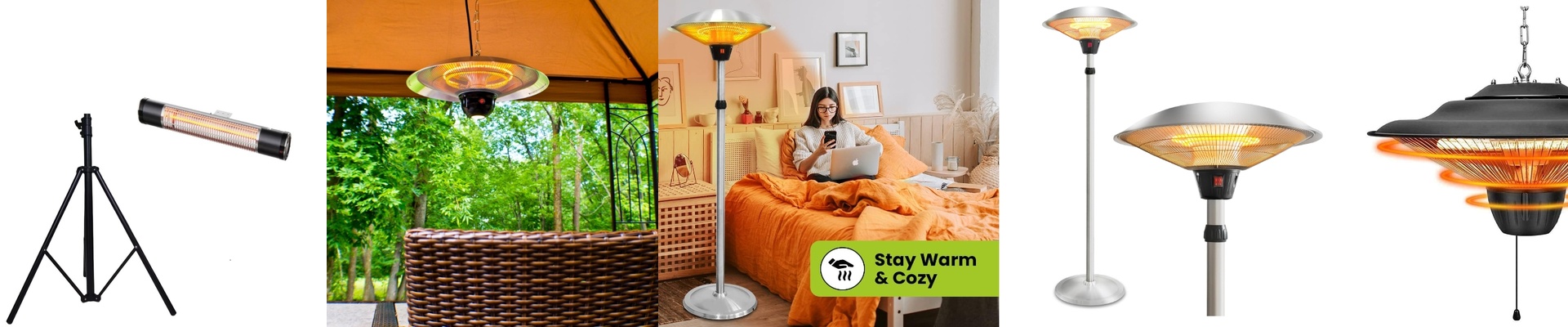
You can swap these into spots where old-school heaters used to be, but you have to be careful about where they point. Since the heat is directional, placement is everything. Mount them too high, and the heat fades before it reaches the person. Too low, and you’re basically baking them. It’s all about finding that sweet spot. And a pro tip: be careful with the quartz tubes. They can handle massive heat, but if you hit a glowing-hot tube with ice-cold water, it’ll crack. Avoid the thermal shock, and you’re golden.