


Getting Your Wafer Curing Right: The Secret is in the Reflectors
If you’re working with wafer curing, you know the struggle. You need those thermal gradients to be spot on. To make that happen, we pair shortwave infrared lamps with some very specific reflectors. Here’s the thing: in a modern Fab, everyone talks about data-driven heat. But that’s a pipe dream if your energy is just spraying in every direction like a broken sprinkler.
Stop Wasting Your Heat
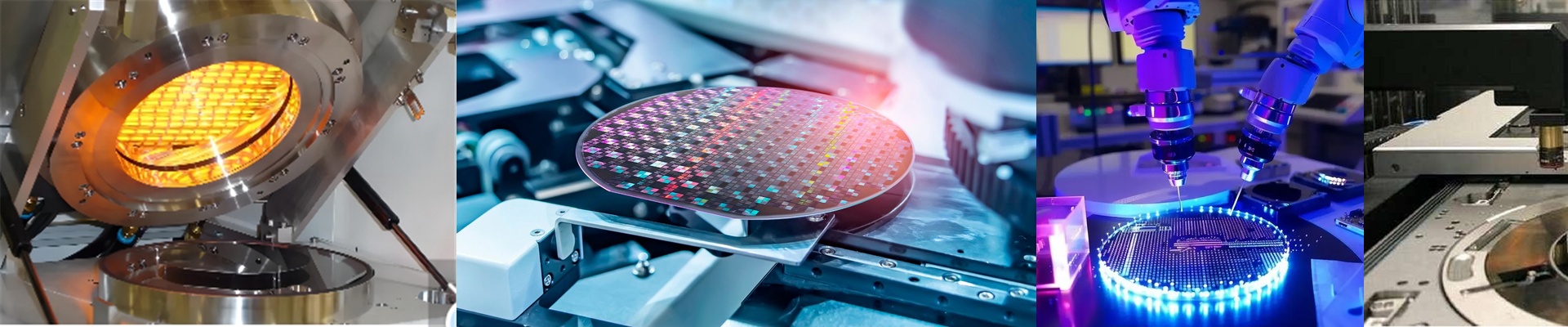
Think of a reflector as a way to shape your beam. Without one, a huge chunk of your IR radiation just vanishes into the machine chassis. That’s just wasted energy. By focusing that flux directly onto the wafer, you get way more heat density where it actually matters. The best part? You can actually dial back the lamp wattage and still hit your curing speeds. It’s just more efficient. Of course, the coating has to be perfect. We usually go with gold or aluminum depositions because they handle shortwave IR the best. But keep an eye on them. If the coating starts to peel or oxidize, your thermal uniformity is gone.
Making Room to Breathe
Everyone wants a smaller footprint and better data. When your reflectors actually work, you don’t need as many lamps to get the job done. That opens up some much-needed breathing room for your sensors and PLC wiring. Plus, since you aren’t overheating the whole chamber, your cooling systems don’t have to fight so hard to keep things stable. But a word of caution: more flux density means a higher risk of hot spots. You’ve got to make sure your PID controllers are tuned for fast temperature swings. If the reflector geometry is too aggressive, you’ll burn through a wafer before your sensors even realize there’s a problem.
Keeping the Line Moving
We designed these to be simple drop-in replacements. Eventually, every reflector loses its shine—usually from outgassing or just general contamination. When that happens, you just swap it out. No need to spend a whole day recalibrating the entire heating array. Just make sure the alignment is tight. That’s the only way to make sure what you see in your digital twin actually matches what’s happening on the floor.