Making Factory Ceiling Heaters Actually Smart
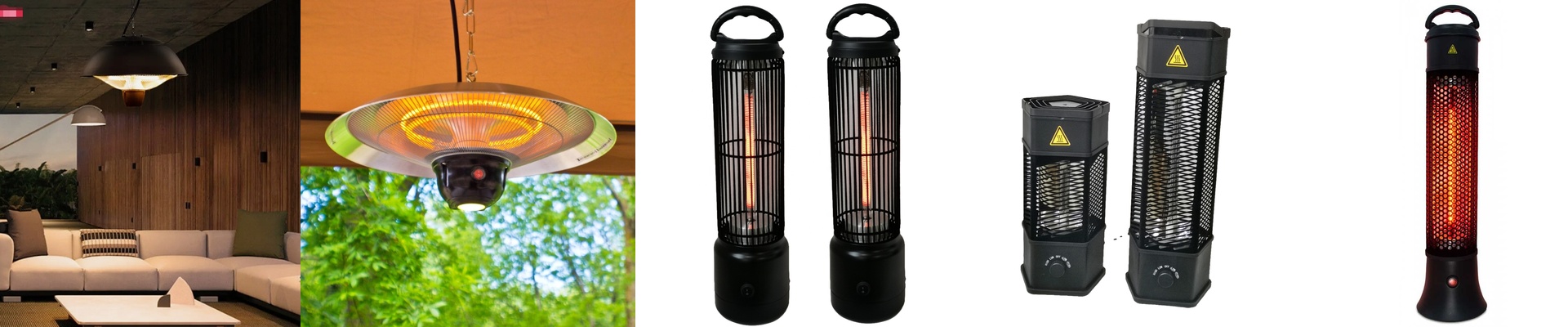
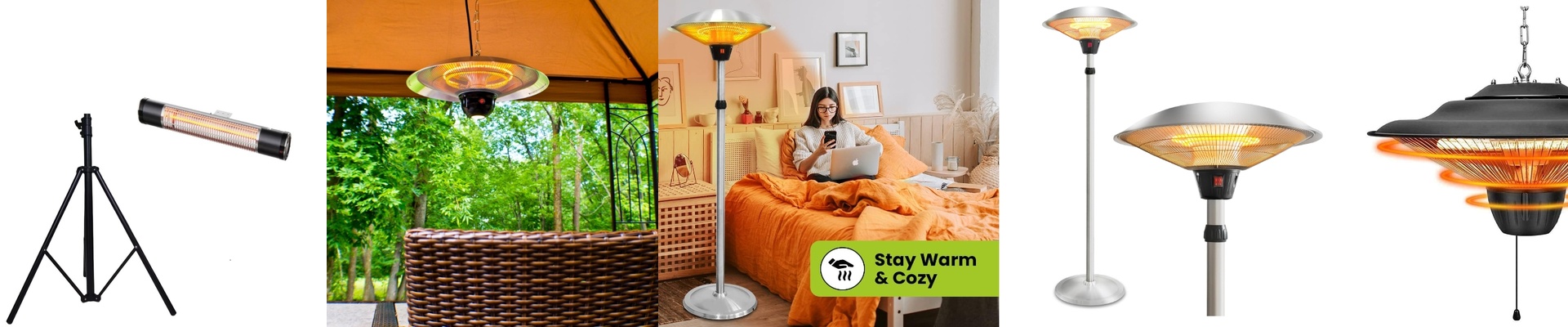
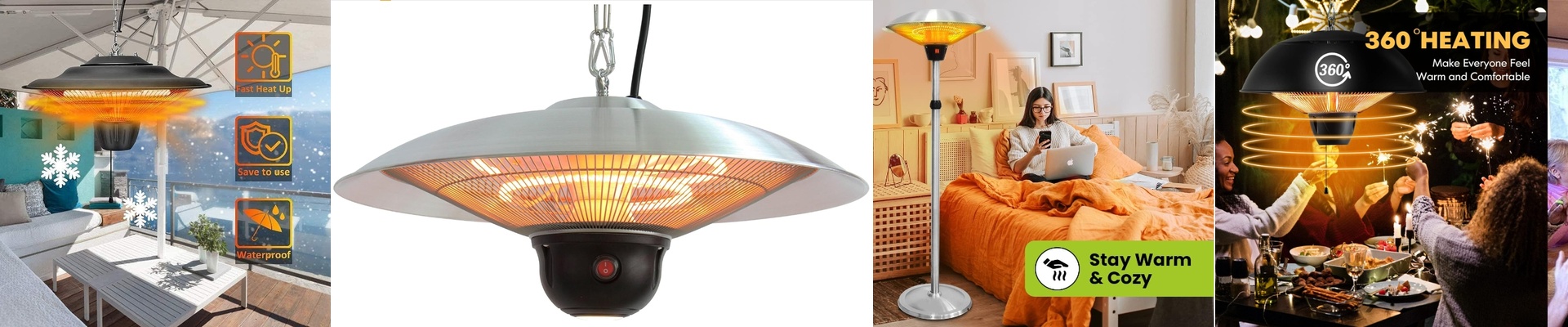
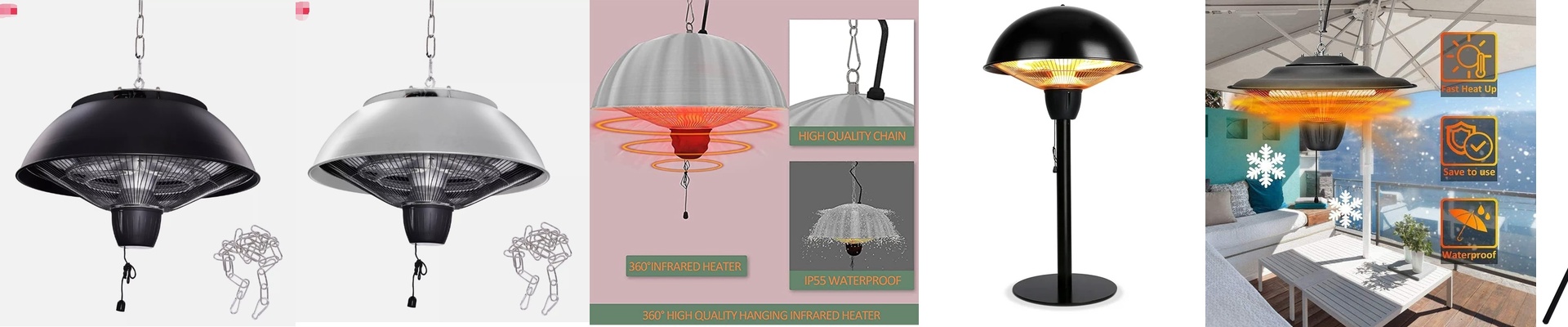
Ever stepped into a cold warehouse in January? It’s brutal. Most heating systems try to warm up the entire volume of air, which takes forever and feels like a losing battle. Ceiling radiant heaters are different. They don’t bother with the air; they just beam heat straight down onto the people and equipment. It’s like stepping into sunlight on a crisp day. When you hook these up to a smart system or a building manager, the whole point is to kill that annoying wait time. The magic of the “on” switch We usually wire these heaters into smart relays or PLC controllers that talk to an app on your phone. You tap a button, the power kicks in, and boom—it’s warm. It’s not magic, just physics. Infrared lamps hit their peak temperature in seconds. Since those photons move at the speed of light, your workstation goes from freezing to cozy almost instantly. The tricky part (The hardware) Here is the thing: you can’t just plug a massive industrial heater into a little smart switch. You’ll fry the electronics in a heartbeat. These heaters pull a ton of power—sometimes 5kW or more. To make it work, we use the smart system to trigger a heavy-duty magnetic contactor. Think of the smart switch as the “finger” that pushes a much bigger, tougher switch. This keeps the sensitive tech safe from the high-current load. Power vs. Precision If you want that instant warmth, you need the electrical guts to handle it. Your panel needs enough headroom to take that initial surge without tripping a breaker. Then there’s the sensor problem. If you put your temperature probe too high up, near the heaters, the system thinks the room is roasting and shuts off way too early. Meanwhile, the people on the floor are still shivering. The fix? Put the sensors down where the people are. That way, the system knows exactly how it feels on the ground. Getting it running Whether you’re swapping out old gear or starting fresh, just make sure your hub speaks the same language as your relays—things like Zigbee, Matter, or Modbus. The best part? You stop wasting money heating empty corners of the warehouse. You only warm up the zones where people are actually working. Simple as that.