
Stop Heating Your Machine and Start Heating Your Substrate
If you’ve ever worked with carbon nanotubes (CNTs), you know the struggle with heat. Most people just throw everything in a standard oven, but that’s basically like trying to warm up a single slice of pizza by heating the entire kitchen. It’s a waste of power. Worse, it turns the inside of your semiconductor tools into a furnace. No one wants to work around a machine where the walls are hot enough to burn you just because you needed the substrate to hit a certain temperature. That’s why we switched to directional infrared (IR) heating.
How it actually works
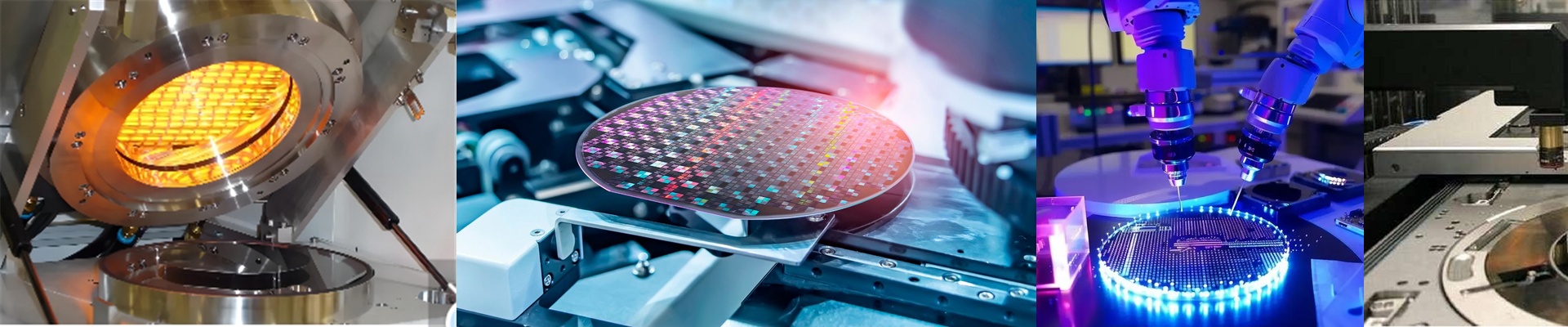
Think of it like a flashlight instead of a space heater. While convection just pushes hot air everywhere, IR lamps shoot electromagnetic radiation in a straight line. We aim that energy directly at the CNT growth zone. The heat hits the target and stays there. Since the equipment walls aren’t in the “line of sight” of the lamp, they stay cool. You get the intense heat you need for chemical vapor deposition (CVD) without turning your entire lab into a sauna.
The tricky part: Balancing the power
Now, when you’re dealing with high-wattage IR, things get intense. You’re packing a lot of energy into a small space. We use shortwave emitters because they punch through the substrate quickly. It stops the heat from “soaking” into the machine frame. It really comes down to geometry—calculating the exact focal point so the heat goes exactly where it belongs. But you can’t just crank the dial to ten. If you push too many watts into a tiny footprint, you’ll warp your substrate holder or fry the lamp. You’ve got to make sure your cooling jackets can handle the radiant load, or the heat will start creeping into places it shouldn’t be.
Why this makes life easier
The best part? Your workspace stops being a hazard. When the walls aren’t radiating heat, operators can actually get in there to do maintenance or load wafers without fighting the ambient temperature. It just feels… manageable. Plus, it gives you a level of control you can’t get with an oven. You can tweak the substrate temperature without worrying about what the chamber walls are doing. That’s the secret to getting consistent CNT growth across the whole wafer.