Keeping Your Outdoor Guests Warm (Without the Headache)
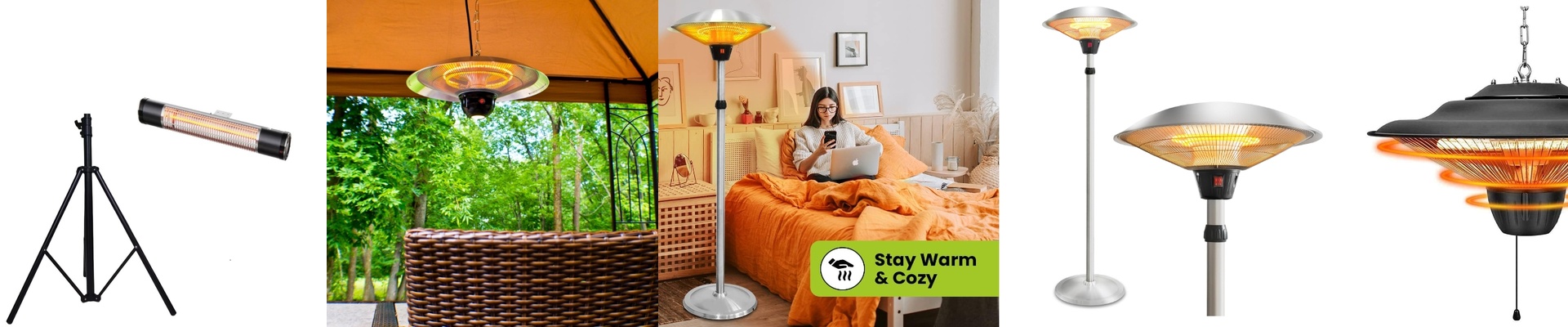
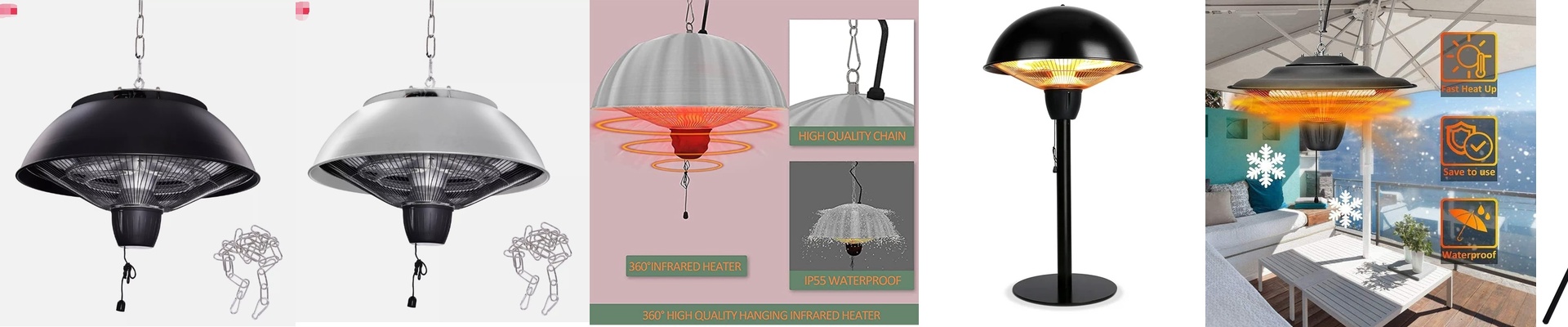
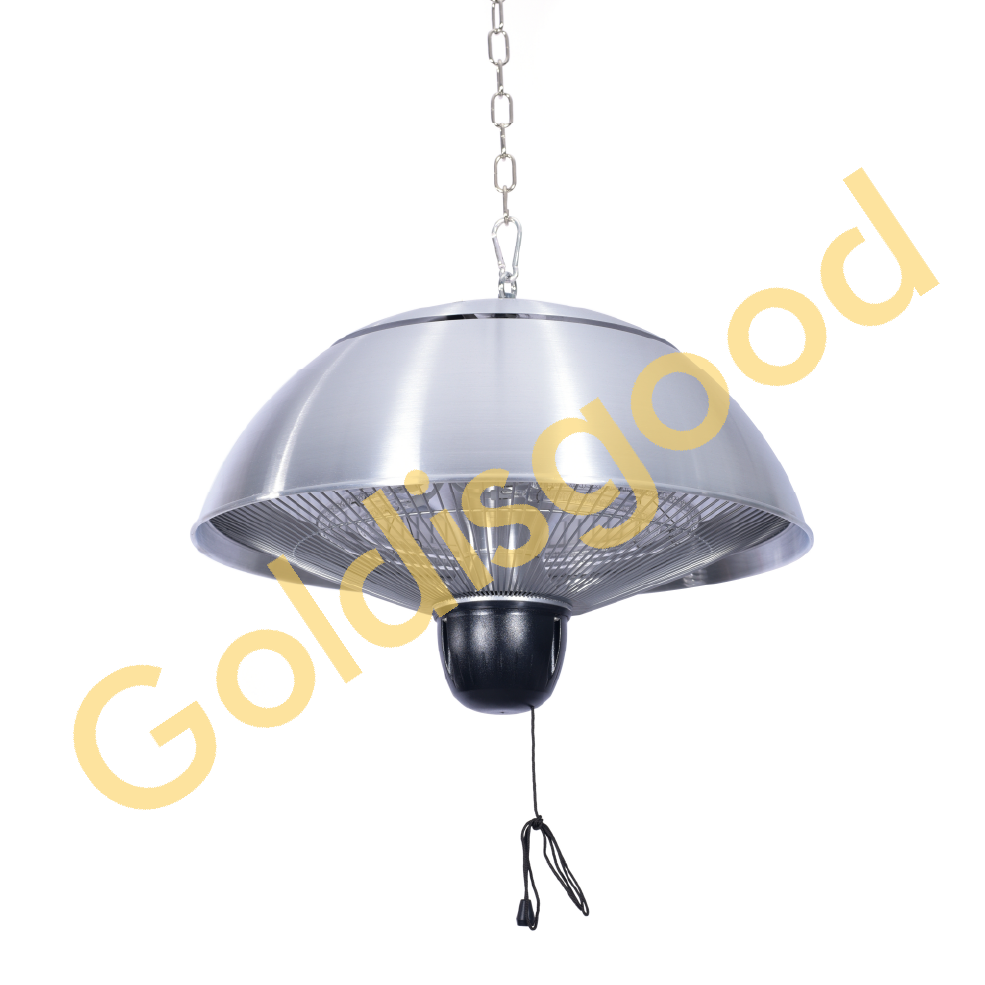
Here is the problem with outdoor dining: physics is against you. If you try to just “heat the air,” you’re wasting your money. The wind just carries that warmth away the second it leaves the heater. That’s why we go with ceiling-mounted infrared heaters. Instead of fighting the wind, these units send heat straight to your customers’ skin and clothes. It’s a direct hit.
How the Heat Actually Works
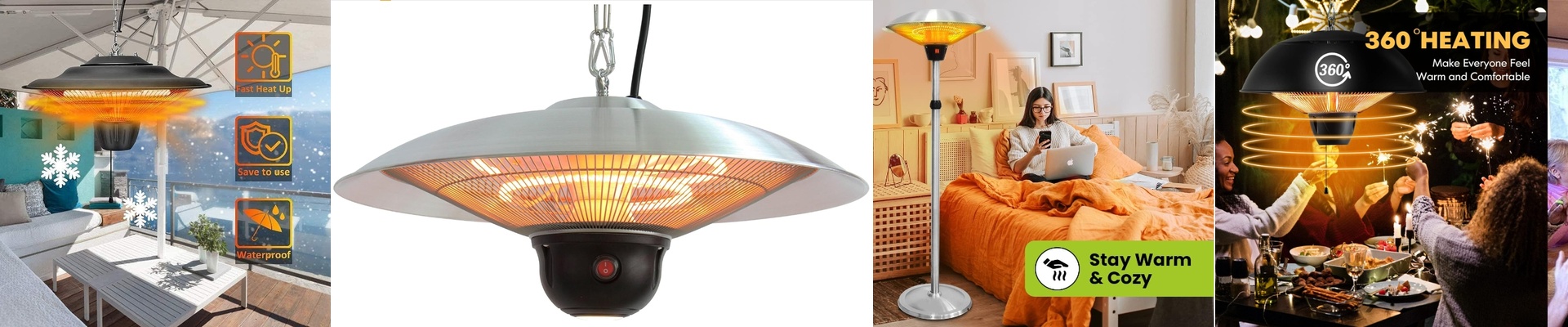
We use short-wave infrared for these setups. Why? Because it cuts through the breeze much better than the long-wave stuff. When you bolt these into a pergola or a high factory ceiling, the heat travels in a straight line. It creates a cozy little “warm zone” right under the unit. And the best part? It’s instant. No waiting around for a room to warm up. You flip the switch, and people feel it immediately.
The Nitty-Gritty on Setup
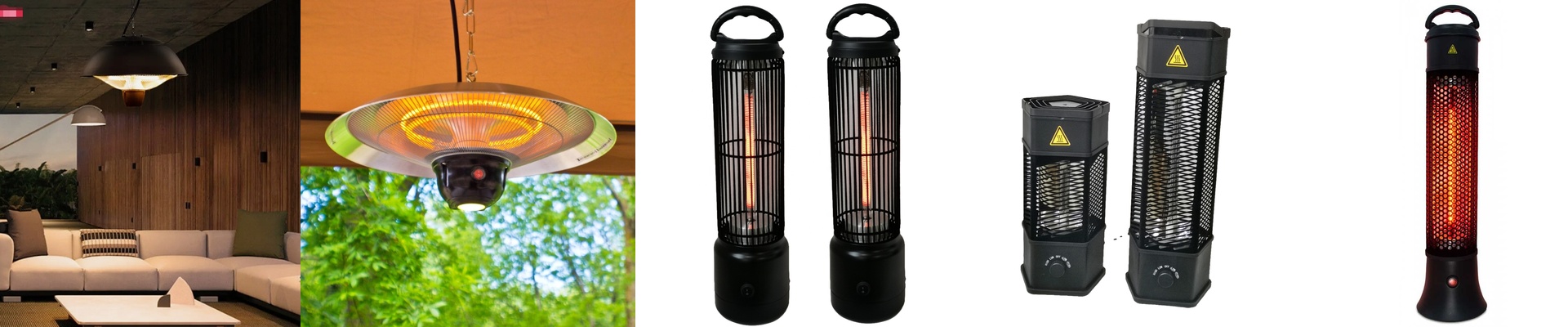
To get a real punch of heat Without taking up too much space, we use high-wattage units. But here is where people usually mess up: the power. You can’t just plug a dozen 2kW heaters into one circuit and hope for the best. You’ll trip your breaker in seconds. We always suggest dedicated circuits for each zone. It’s just safer and more reliable. Then there’s the height. This is the tricky part. If you hang them too high, the heat disappears before it reaches the table. Too low? Your guests will feel like their heads are in an oven. We usually find the sweet spot is between 2.5 and 3.5 meters.
Is It Worth It?
Think about it this way: when people are shivering, they want to leave. When they’re warm and comfortable, they stay. They order another round of drinks. They order dessert. It’s a simple equation. There is one catch, though: the light. Short-wave heaters give off a bright glow. In a fancy, dim restaurant, that can be a bit much. To fix that, we use shielded housings or coated reflectors. That way, the heat goes down, but the glare doesn’t blind your guests.