Keeping Your Wafers Clean When the Heat is On
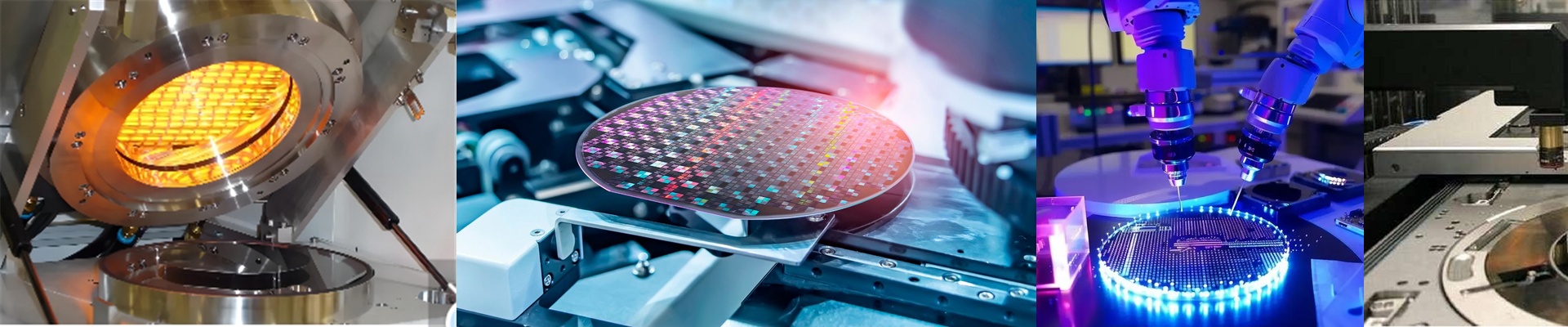
In a high-volume setup, one bad break can ruin your entire day. If an infrared tube pops, it doesn’t just stop heating—it showers your silicon wafers in quartz shards and halogen gas. It’s a nightmare scenario that can scrap a whole batch in seconds. We build our IR heating systems specifically to stop that mess from ever touching your product. The balancing act of distance It’s tempting to mount lamps as close to the substrate as possible to crank up the heat. But there’s a catch. The closer you get, the higher the risk that a failure sends debris straight onto the wafer. We use a calculated safety gap. It’s all about finding that sweet spot where you get the thermal transfer you need, but still have a physical buffer. If a tube cracks, the housing catches the brunt of the debris instead of your wafers. Adding a layer of protection High loads are tough on equipment. To deal with the risk of a burnout, we don’t just hope for the best—we put up a wall. We use high-purity quartz shields or guard frames. Think of it as a safety net. If the inner element blows, the shield catches the glass. You still get the heat penetration, but your wafers stay untouched. Handling the stress High-wattage lamps take a beating. They expand and contract every time they cycle, and eventually, that fatigue catches up to them. To fight this, we use reinforced end-caps and tight voltage regulation to kill off hotspots. But here is the thing: your cooling system has to be up to the task. If the housing gets too hot, those guards lose their strength, and that’s when things get risky. Plus, we kept the lamp assembly footprint simple. When a tube finally gives out, you can just swap it for a new one. No need to spend hours recalibrating the safety distance or messing with the alignment. Just drop it in and get back to work.