Why We’re Swapping Convection Ovens for IR Curing
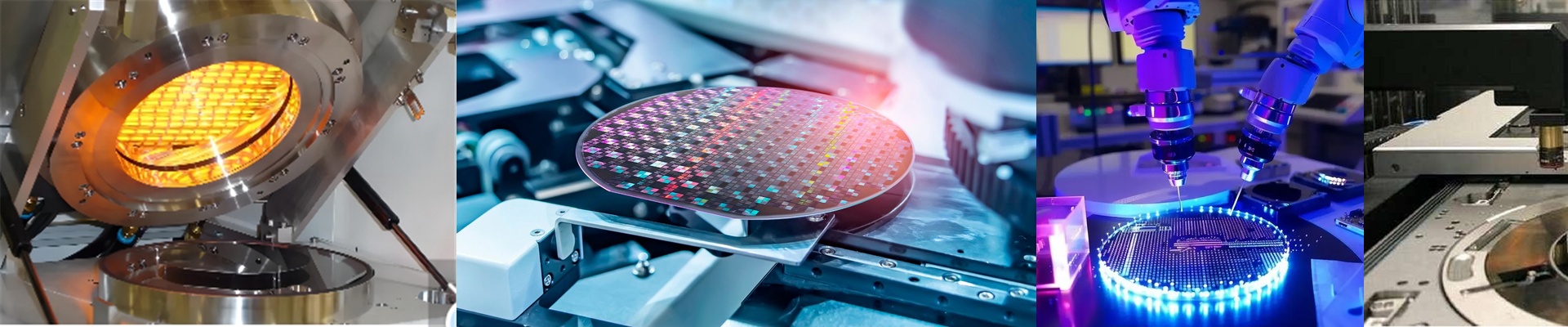
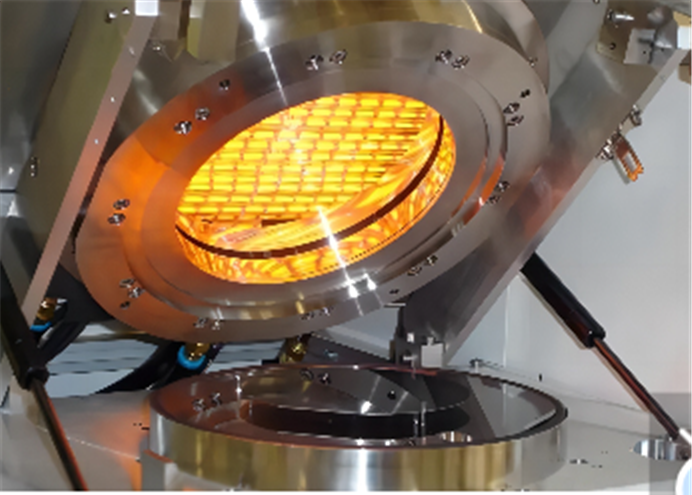
If you’ve spent any time in a semiconductor fab, you know the drill. For years, we relied on those massive convection ovens. But as the industry pushes toward lead-free, eco-friendly drying, those old boxes just aren’t cutting it anymore. That’s where infrared (IR) curing comes in. The big difference? IR doesn’t bother heating up the air. It just sends energy straight into the substrate. Stop heating the room Think about a traditional hot-air oven. You’re spending a fortune heating the entire chamber and all the air inside it just to get the part warm. It’s a waste. With IR lamps, we’re talking about electromagnetic radiation that hits the coating or adhesive exactly where it needs to. The best part is the startup time. You can get a line up to temperature in seconds. Not hours. Seconds. You stop bleeding energy just to keep a giant metal box warm. The struggle with lead-free Here’s the tricky part: lead-free solders and adhesives are picky. They need higher temperatures and a much tighter thermal profile than the old leaded stuff. If your heat is off by a bit, you’re looking at warped wafers or solder voids. It’s a nightmare. Short-wave IR gives us the heat density to hit those peaks fast. We use quartz lamps to make sure the heat actually gets deep into the material and stays uniform. No more “over-baked” edges and under-cured centers—which is basically what happens every time you use a convection oven. The catch Now, I’m not saying IR is a magic wand. It has its quirks. Because the heat is so intense, your cooling system has to be spot on. If your conveyor or substrate holder can’t dump that residual heat once it leaves the curing zone, you’ll deal with thermal drift. You need a real heat-sink strategy, or your machinery is going to take a beating. But when you cut out the middleman—the air—you’re left with a much smaller carbon footprint. It’s a simpler way to hit those strict environmental targets we’re all chasing.