
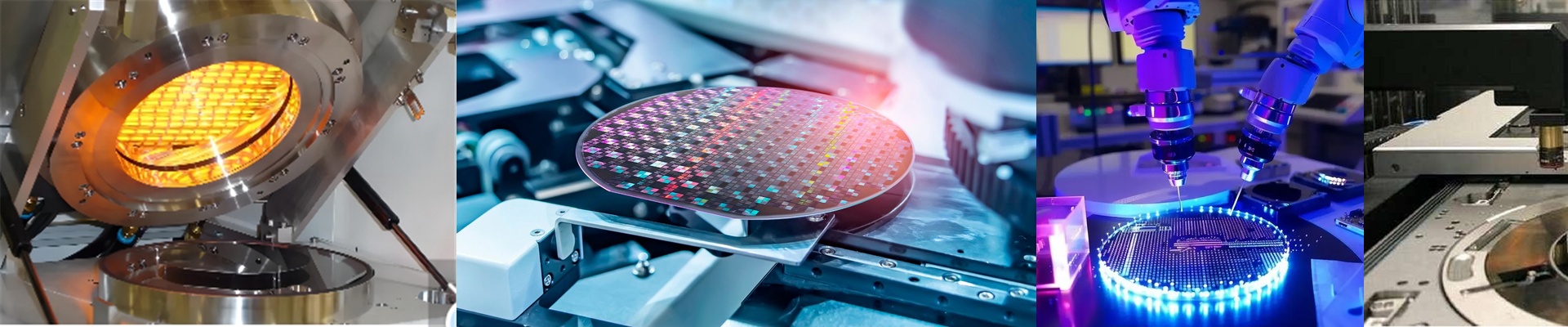
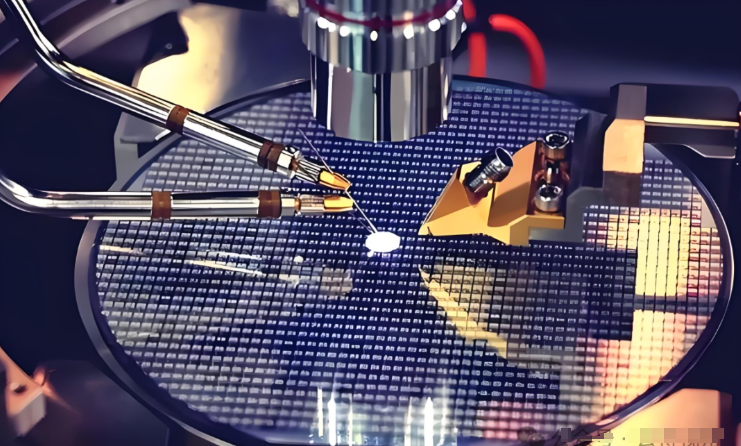
On the line, thermal budget isn’t a suggestion—it’s the line you can’t cross. A half-degree drift during oxidation, or a bake that’s hot in one corner and cool in another, shows up fast as thickness loss, line-width excursion, and yield escape. You pay for it in litho uptime and photoresist material. What you need is a heating element that holds setpoint with discipline, even when batch profiles change and the cleanroom keeps the pressure on. What matters, under the hood We build oxidation heating elements around rapid-response quartz-halogen lamps, tuned for short-wave and medium-wave output to match absorption in silicon and oxide stacks. That gives you direct, controllable heat with low thermal inertia, so the temperature settles quickly after recipe steps. Across the active zone, expect wafer-level uniformity within ±0.1°C, and repeatability that keeps critical dimensions stable run-to-run. The assembly is rated for Class 1–100 cleanroom operation. We pick materials and joints to minimize particle generation and outgassing. In practice, that translates to lower particle counts on the wafer, fewer scrapped lots, and maintenance windows you can actually plan around. Why this works where you need it This element fits oxidation furnaces and the bake modules that sit upstream of lithography. For soft bake and hard bake, stable, uniform heat means consistent photoresist profile and adhesion—fewer reworks and better protection of your photomask investment. In oxidation, tight temperature control supports consistent oxide thickness and stoichiometry, which keeps electrical variability in check in the front end. Energy use comes down because the lamps deliver heat on demand, with minimal idle loss. Reliability? We’ve run units for 5,000+ hours with less than 5% output drift, keeping 24/7 schedules without unplanned stops. Here’s what to watch for Installation comes down to the tool interface—mounting tolerances, lamp orientation, and coolant flow have to match the machine’s envelope. Plan on a short commissioning period to tune PID parameters to your chamber’s thermal mass. The element works with standard quartz fixtures and common tool power buses, but you have to match it to the reflector geometry to keep uniformity where it needs to be. And yes, even tight control loops drift over time. Schedule periodic calibration checks; proactive verification is what keeps the process in spec.