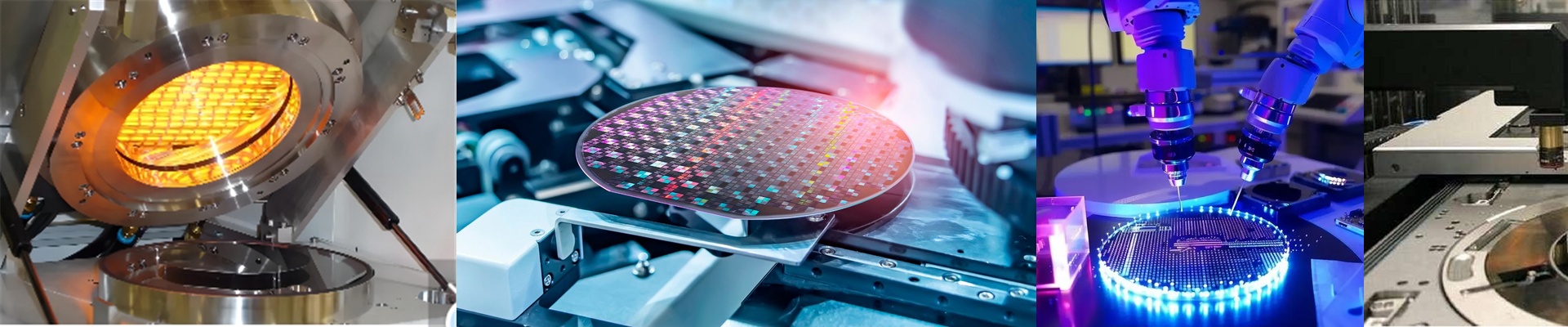


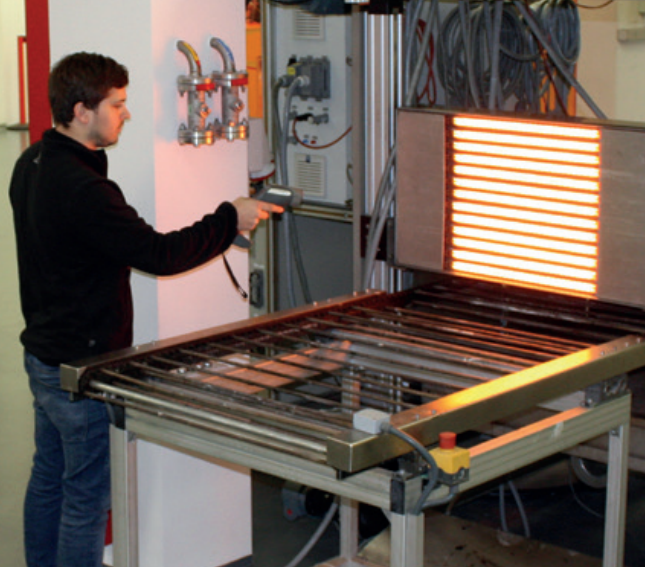
If you’re running a fab drying line, you know the deal. Those heating elements and wires get absolutely hammered by constant thermal cycling. It’s brutal. And here’s the problem: one tiny insulation failure doesn’t just kill a single lamp. It can trip your entire line or, even worse, leak current right into the chassis. Nobody wants to deal with that. That’s why we put every single tube through HiPot (withstand voltage) and insulation resistance testing before they even leave our floor. Every. Single. One. The “Stress Test” Think of it as a stress test. We push a high-voltage load into the insulation barriers to find those “weak spots” that a basic multimeter would just breeze right past. We’re looking at the quartz-to-metal seals and the connector housings. If there’s a microscopic crack or a bit of gunk in the seal, the current will arc. We set these tests to go well beyond your actual operating voltage. Why? Because we want to make sure the tube doesn’t short out or burn up the second you plug it into a humid drying environment. Why we don’t just “sample” Some shops just test a few lamps from a batch. That’s a gamble. If you have a batch of 1,000 lamps and a 1% failure rate, you’ve got 10 potential shorts sitting in your oven. In high-end fab gear, that’s just not an option. We measure the leakage current in milliamps, and if it’s over the limit, that tube is trash. Simple as that. The trade-off Being this strict means we can’t just rush things through. It slows down our production cadence, which means your lead times might be a bit longer. But look at it this way: you’re trading a little extra wait time now for a lot less stress later. It beats the hell out of spending your weekend hunting for one faulty lamp in a bank of 50. Your safety relays won’t be tripping because we already pushed these components to the limit in our lab.