Why we stopped making “disposable” mirror heaters
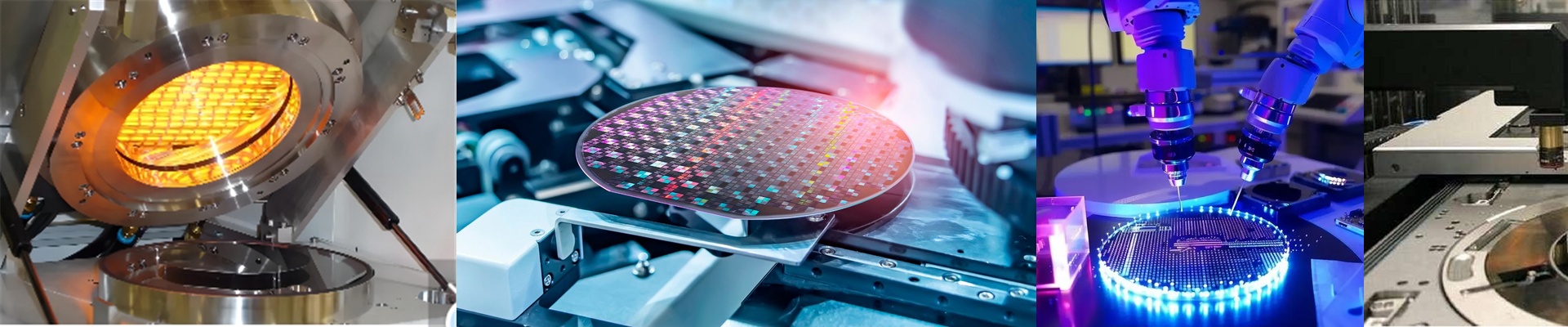
Most bathroom mirror heaters are built like a sealed box. If a heating element burns out after five years, you’re basically stuck. You can’t fix it, so you throw the whole mirror in the trash. That always felt wrong to us. So, we switched things up and went with a modular infrared design. The idea is simple. We treat the heating element like a lightbulb—something that’s meant to be replaced eventually. By keeping the infrared module separate from the mirror frame, you don’t have to tear the whole glass assembly apart just to fix one glitch. You just pop out the old module, drop in a new one, and you’re back in business. No stress, and way less chance of accidentally cracking the glass while you’re poking around in there. How it actually works We use short-wave infrared emitters. Instead of trying to warm up all the air in the room, these go straight for the glass. It heats up fast, which stops condensation before it even has a chance to start. We keep the wattage low, too. You want the mirror clear, but you don’t want it to feel like a stovetop. We aim for a steady 40-50°C—warm enough to work, but safe to touch. The honest trade-offs Wiring is a breeze. We use plug-and-play connectors because, let’s be real, nobody wants to be soldering electronics in a damp bathroom. But here’s the catch: this setup takes up more room. A modular system is bulkier than those thin, glued-on heating films. You’ll need a deeper frame to house everything. If you’re designing an ultra-slim, minimalist mirror, this probably isn’t for you. But if you’re handling a big commercial project? It’s a lifesaver. You don’t want to be replacing 50 mirrors just because a few bulbs gave out. The long game You can expect these to run for about 5 to 7 years. When you notice the heat dropping off, just swap the module. No demolition. No drama. Just a quick fix.