The Efficiency Reality: Infrared vs. Oil-Filled Heaters
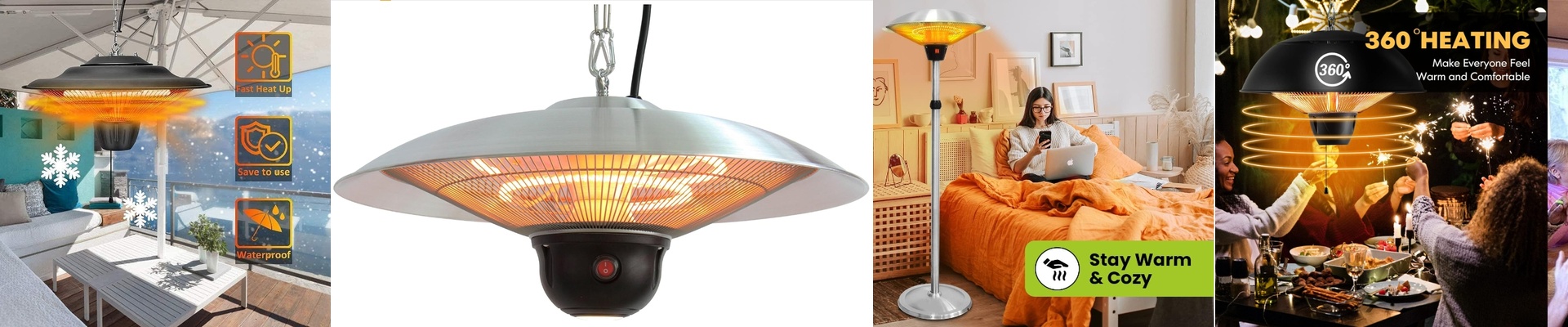
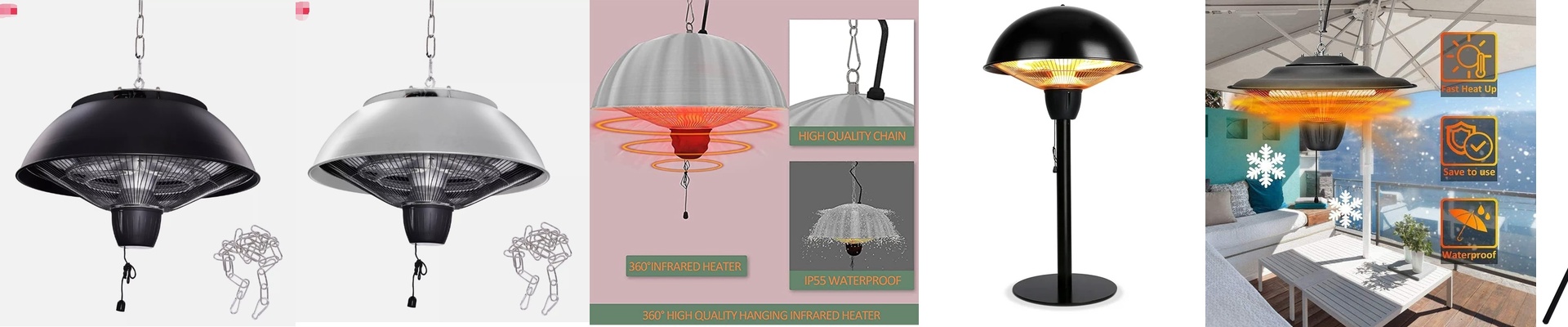
Let’s talk warmth. Specifically, the kind that wraps around your baby without wasting energy. We designed our infrared baby room heaters to do one thing really well: deliver warmth right where it’s needed. No point heating the entire room, the ceiling, all that empty space. Traditional oil-filled radiators work by warming the air around them. It’s a lot of effort for not much payoff. Our halogen infrared heaters are different. They send heat directly to objects and people. The result? You feel just as cozy, but using far less power. In real-world tests, our infrared heater typically uses30–40% less electricityto give you the same level of comfort.
Technical Deep-Dive: Power, Voltage, and Thermal Output
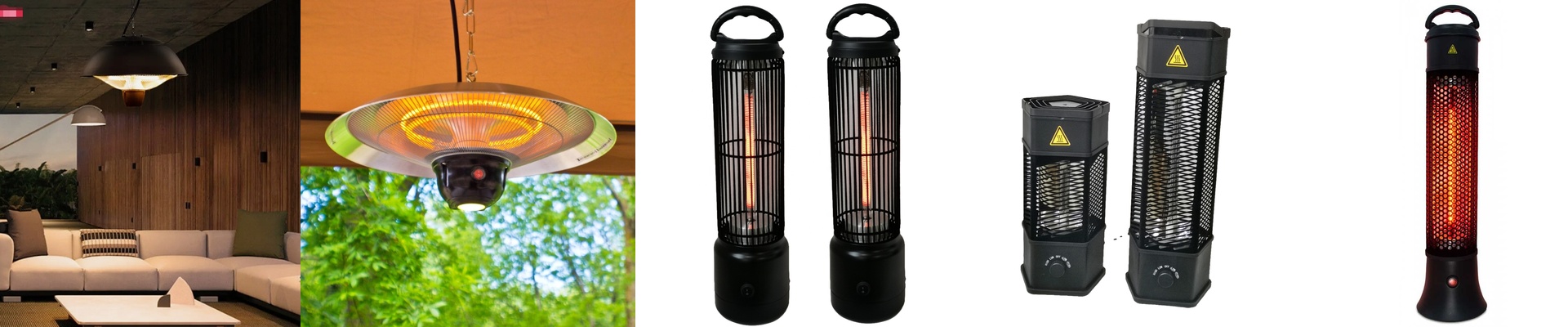
Here’s what makes it happen. Inside, we’ve got a powerful halogen element tucked inside a compact quartz tube. It runs on standard household power, and the heat comes on instantly. No waiting around for it to “warm up.” The heat is concentrated, which means you get a lot of warmth from a small unit. Perfect for spot-heating the nursery without tripping circuits. And because it’s direct-radiant heat, the heater doesn’t cycle on and off as much. That means less energy used over the course of a day.
Material and Design: Quartz Tube, Halogen Element, R7s Connector
We chose quartz for a reason. It handles the constant heating and cooling without breaking down, so the output stays consistent over time. The halogen element keeps the filament stable, even at high temperatures. That means the heater lasts longer and keeps performing. The R7s connector is a simple, direct fit. If you ever need to replace it, it’s a quick and secure job. Inside, a reflector sends the infrared energy straight forward. This keeps the outer surface cooler, which is exactly what you want in a baby’s room.
Application and Practical Benefits
When it comes to a nursery, you want warmth that’s steady and doesn’t create drafts. Our infrared heater delivers exactly that. Since it doesn’t blow air, there’s less dust swirling around. And the warmth stays even down at floor level. The lower running cost isn’t just a claim—it’s real. Fewer kilowatt-hours used for every hour of comfort. Now, a quick heads-up: because the heat is directional, placement matters. Position the heater so it covers the crib and the spot where you usually sit. And keep it clear of blankets or linens to prevent any localized overheating.