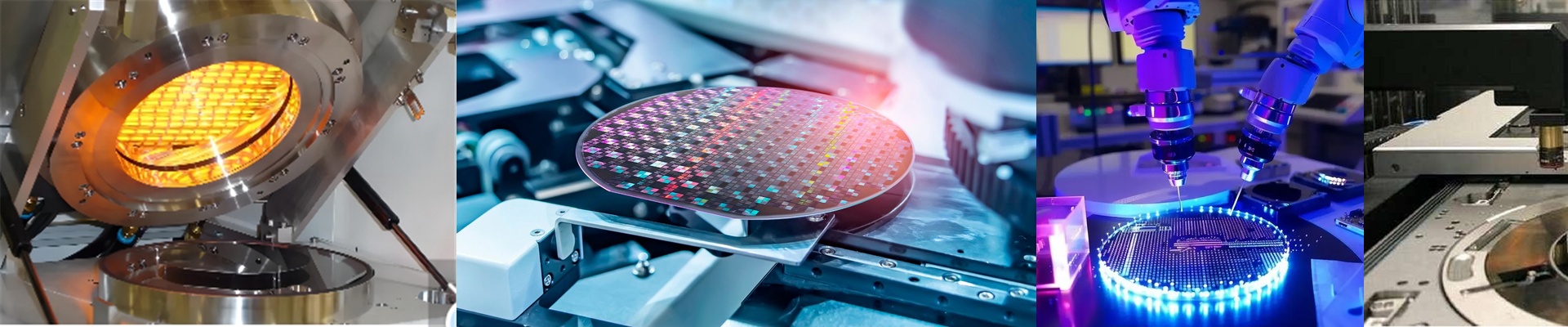
The heart of our shoe dryer heater
We didn’t just throw together a heating element. We built this thing like it was meant to live on a factory floor—where it has to show up, day after day, and never let you down. Every number on the spec sheet is there for a reason. High voltage. Specific wattage. Tight dimensions. They weren’t chosen at random—they’re the difference between waiting around and getting the job done fast. This is the kind of component you install when your process needs heat that kicks in immediately, stays steady, and doesn’t eat up precious space on the line.
Power, voltage, and size—why it all works together
We run this unit at 400V because that’s what it takes to pack serious heat into a small footprint. The result? You get the kind of concentrated drying power that makes wet footwear move along quickly. The tube is 300mm long—just long enough to cover the critical drying area without stretching out and taking over your machine. And the 2500W rating? That’s not overkill. It’s exactly what you need to evaporate moisture efficiently and keep things moving. But here’s the catch: all that power creates a lot of heat. So your cooling system needs to be ready for it. Plan for the temperature rise, and the whole setup stays reliable.
What’s inside—halogen, quartz, and the right connections
Inside, you’ve got a halogen heating element tucked inside a quartz tube. That combo is a big part of why this thing heats up fast and can handle high temps without flinching. Quartz matters because it shrugs off thermal shock. When the unit cycles on and off, again and again, the tube doesn’t crack under the stress. And the coating on the tube is built to stand up to the chemical side of drying work, so performance stays consistent over time. Then there’s the R7s connector. It’s the standard for this type of lamp, and there’s a good reason: it carries high current safely, wires up cleanly, and makes maintenance straightforward on the shop floor. Swapping one out feels like a simple replacement, not a headache.
What it feels like on the line—and why the price makes sense
In real life, this heater means less waiting around. Footwear dries quickly, so production keeps its rhythm. No more stalling while wet gear sits around. And from the business side, we keep things honest. We control the supply chain ourselves—sourcing the raw quartz, assembling the elements, and testing the finished units in-house. Cutting out the middleman is how we keep costs down, and those savings show up in what you pay. You get a component that’s built to perform, and a price that supports your bottom line. No smoke and mirrors. Just solid engineering, and a fair deal.