Why Make the Switch to Infrared Baseboard Heaters?
Let’s talk about kerosene stoves. They’ve been the go-to for heating remote spots for ages, but let’s be honest—they’re a mess. You get the smoke, the soot, and that damp feeling that just hangs in the air. We built our infrared baseboard heaters to be a straight upgrade. A cleaner, simpler replacement. They throw out focused, radiant heat without any of that nasty combustion gunk. The air stays cleaner, and your equipment stays protected from grime and moisture. It’s just a better way to heat a space.
The Power Behind the Heat
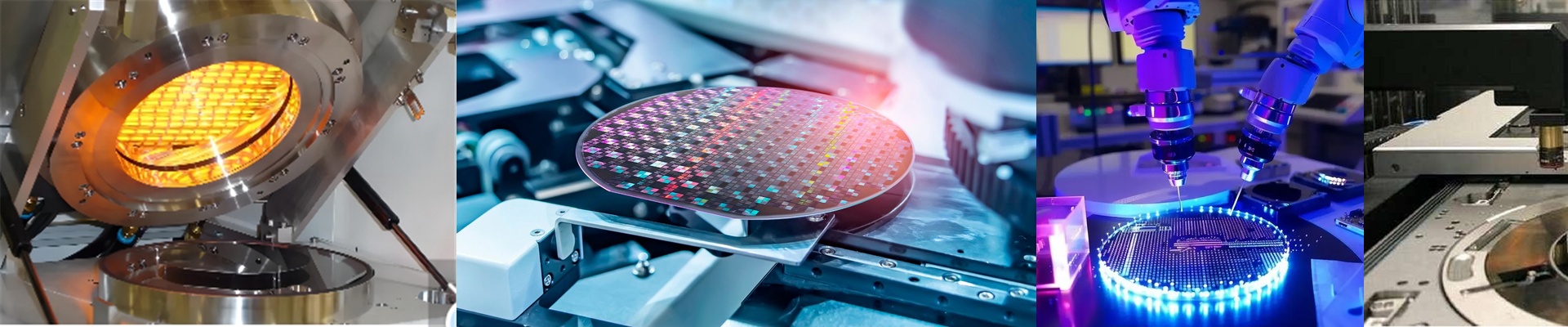
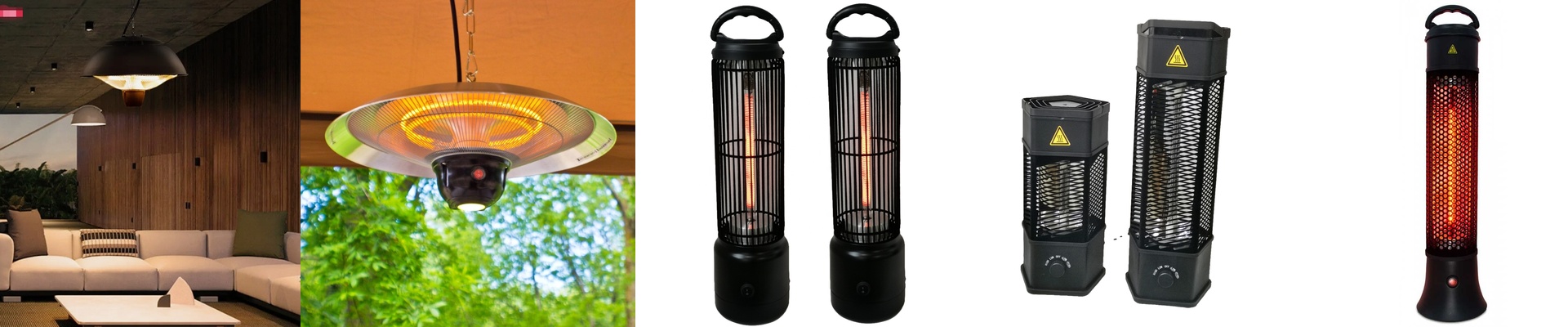
Here’s what’s under the hood. We built these heaters around a compact but seriously powerful halogen lamp. They run on a standard 220V or 240V line, pulling between 1500W and 2000W. The tube itself is about 600mm to 1000mm long. And the best part? It heats up fast. Like, seconds-fast. Not the long, agonizing wait you get with other heaters. The design is long and low-profile, so you can easily mount it along a wall or tuck it under a workbench. It delivers heat right where you need it, without taking over your whole floor.
What Makes It So Tough?
The heart of it is the halogen-filled quartz tube. That halogen cycle is the secret sauce. It keeps the inside of the tube clean, even at scorching temperatures. This means no blackening, and the heat output stays steady over time. And the quartz itself? It’s a beast. It handles the shock of turning on and off way better than regular glass. So you don’t have to worry about it cracking with daily use. Then there’s the R7s connector. It’s a double-ended, straight-forward fitting that makes replacing the lamp a total no-brainer. Wire it up, clamp it in, and it’s aligned perfectly. No twisting. No second-guessing. Just get it in and go.
The Real-World Win: Clean Heat, Anywhere
These heaters were born for industrial spaces and workshops, especially those remote sites where air quality is a real concern. They don’t waste energy heating the whole air in the room. They send the heat directly where it’s needed, warming up the objects and people in front of them. The result? Cleaner air and way less wasted energy compared to kerosene. Now, there’s one thing to keep in mind. The heat is intense. So you’ve got to plan your mounting spot carefully and make sure the surrounding materials can handle it. You also need to be sure your electrical circuit can handle the full load. But get the setup right, and you’ll have heat you can count on. No fumes. No soot. And almost no maintenance. Just reliable warmth, exactly when you need it.