The lights are down, the screen is up—your theater should feel like a sanctuary. Too often, though, the room turns cold. Not just in temperature, but in vibe. Forced-air systems kick up dust and drafts, and that constant whisper of air pulls you right out of the movie. You want warmth that stays quiet and steady, without noise or dryness stealing the show.
What actually matters under the hood
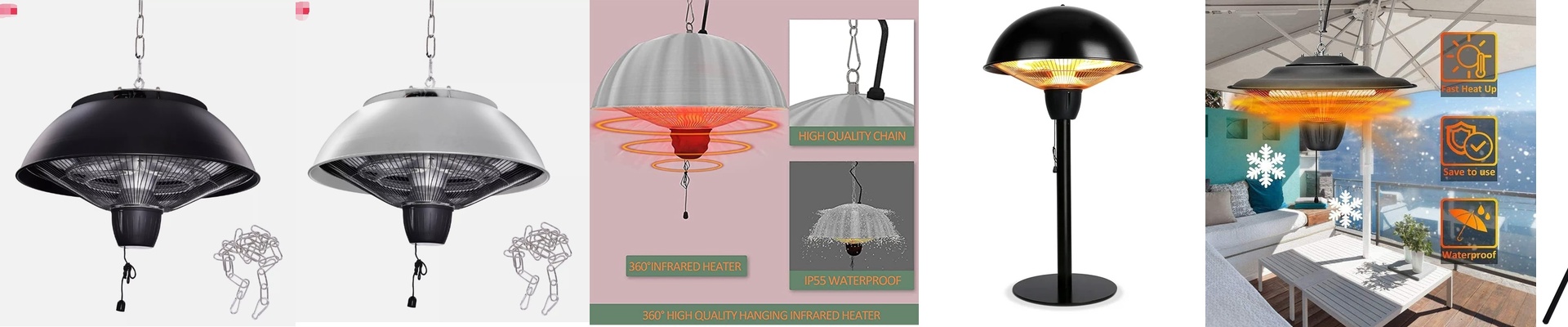
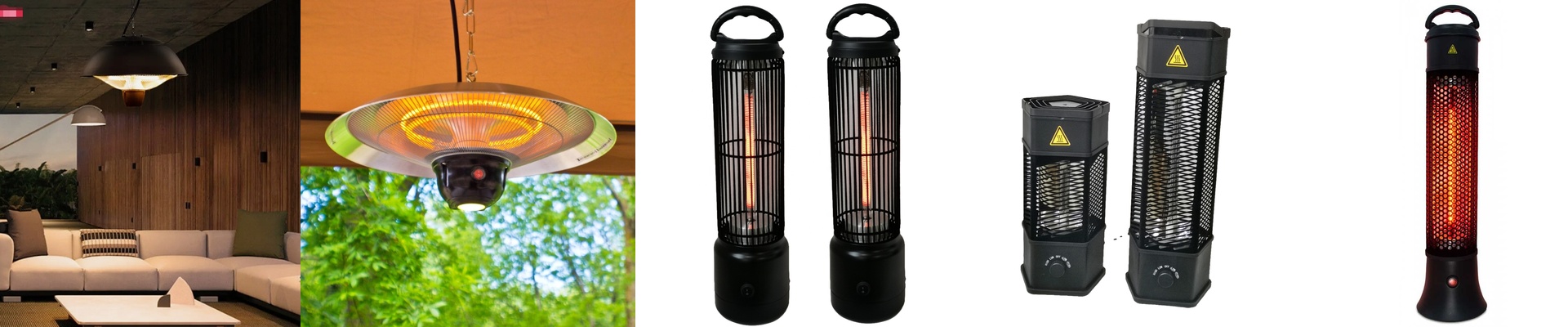
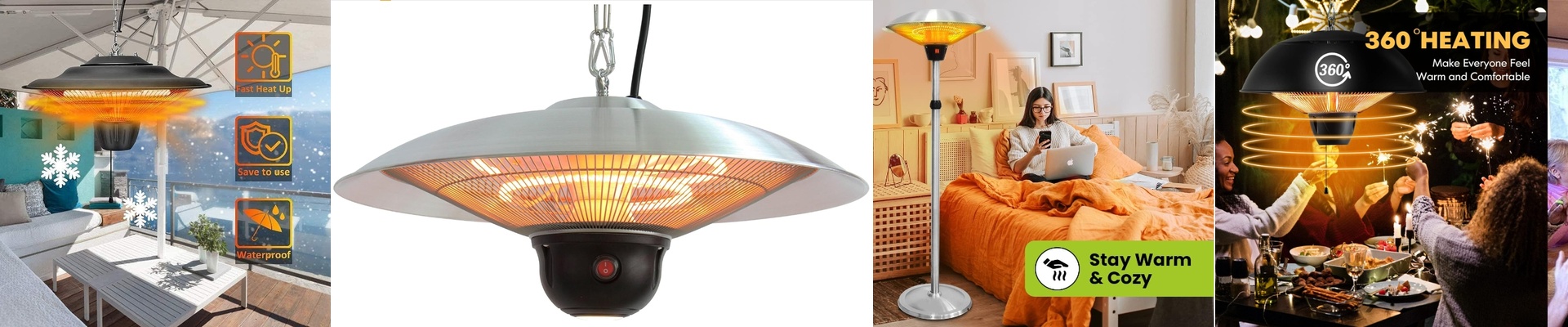
A mantle electric fireplace is built around radiant heat, not moving air. Inside, an infrared heating element throws warmth outward at the speed of light, heating people and objects directly. The payoff is comfort that feels natural—no fan noise, no air movement to smear dialogue or mess with delicate audio imaging. Heat output is usually managed through adjustable settings, often paired with a built-in thermostat so you can keep the room at a consistent temp without constantly tweaking it. And the mantle itself isn’t just furniture—it acts like a thermal chimney, helping spread heat gently and evenly across the seating area.
Why this makes sense in a home theater
In a theater, silence is part of the performance. A mantle electric fireplace delivers warmth that stays in the background—no hum, no rush of air, no shifting soundscape when the system cycles on and off. That zero wind noise profile helps protect the immersive feel, so whispers and subtle scores come through exactly as intended. Because the heat is radiant, you feel it almost immediately, and the warmth doesn’t vanish the moment the unit pauses. For viewers, that means fewer distractions, less dryness in the air, and a room that stays comfortable from the opening scene to the end credits.
The practical stuff you need to get right
Plan for clearance and ventilation per the unit’s specs, and confirm the circuit can handle the power draw. Most mantle electric fireplaces plug into a standard outlet, but a dedicated circuit is often recommended for more stable performance. Placement matters. Put it where the warmth flows toward the main seating without blocking sightlines. **Radiant heat does its best work when it reaches people directly.**So if you’ve got high ceilings or an open layout, you may need a larger model or some supplemental heating to keep every seat comfortable.