The Heart of the Matter: What Makes Our Ceramic End Cap So Tough
Here’s the truth: we build our ceramic end cap emitters for one simple reason—to take a beating. Your equipment throws some serious electrical and thermal stress around, and these things are built to stand up to it. Every single unit that leaves our shop has been through the wringer. We don’t just spot-check a few. We test every one, 100% of the time. It has to clear two tough hurdles: dielectric strength and insulation resistance. No exceptions. That ceramic end cap? It’s your first line of defense. It forms a rock-solid barrier that keeps high voltage from leaking out and reaching the chassis. Think of it as a reliable guard, standing watch, keeping everything safe.
The Nitty-Gritty: The Details That Actually Matter
When we engineer these emitters, we’re focused on one thing: giving you performance you can count on, every single time. We pack a lot of power into a small space. Running a 400V system inside a tight tube means we have to be incredibly precise with internal resistance. Why? So the filament gets hot—fast—without drawing too much current when you first flip the switch. The whole thing is compact, usually around 300mm long. That gives you a tight, focused heat zone that can slip into those cramped corners where bigger heaters just won’t fit.
Why Ceramic and R7s? Because They Work.
Let’s talk materials. The ceramic end cap doesn’t flinch when temperatures swing wildly. It keeps its cool—and its insulation—even when the heat would melt or warp other materials. And it holds those internal connections steady, so the constant vibration of your machine doesn’t work the wires loose. Then there’s the R7s connector. We chose it on purpose. It’s a direct, solid connection that makes installation and replacement a snap right on the shop floor. Wire it up, set the distance, and you’re good. The contact stays solid, no fuss.
Where This Stuff Actually Shines
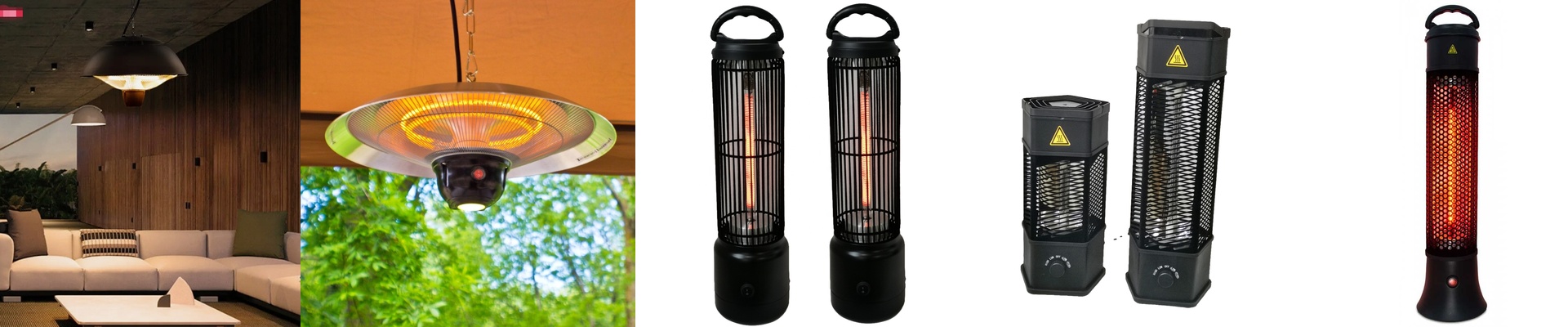
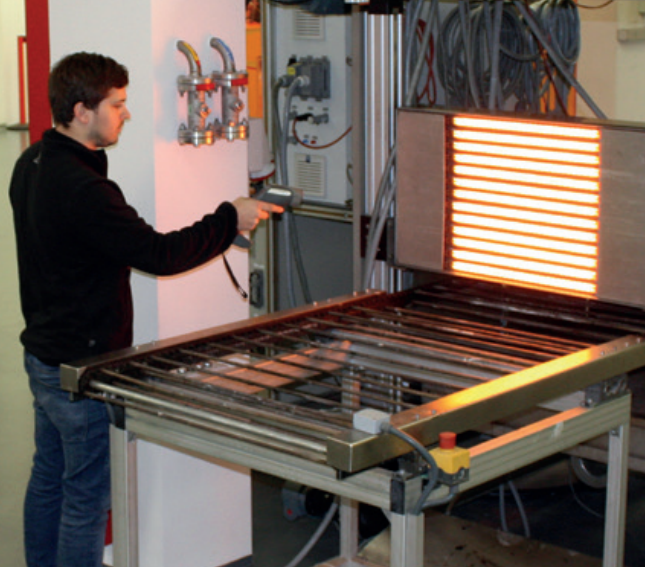
These emitters live in the real world of industrial work—PET blowing, curing lines, plastic welding. Places where you need heat, fast, and right where you need it. That high heat density means you get a quick response, but it also means you’ve got to plan your machine’s cooling and spacing right. If the space is too small, you risk cooking the parts nearby. We give you the power. You build the right thermal setup around it.