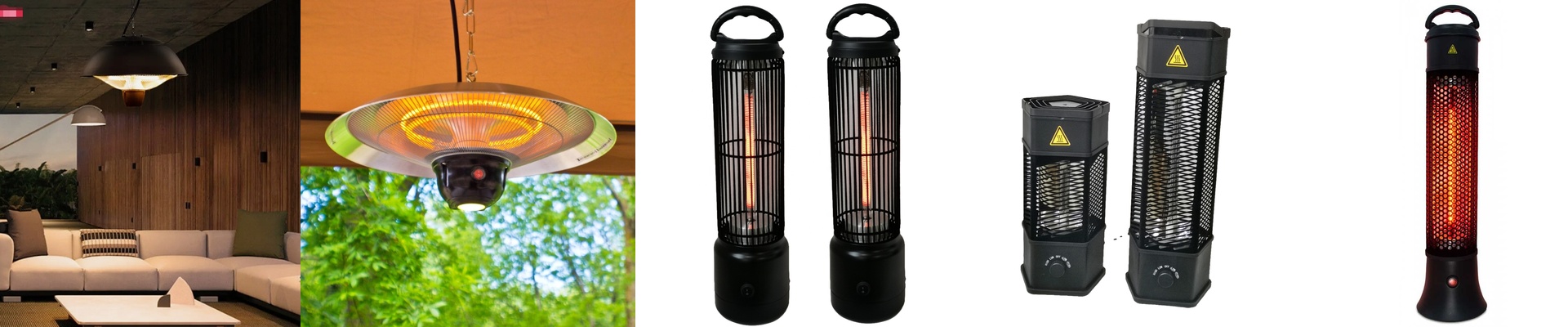
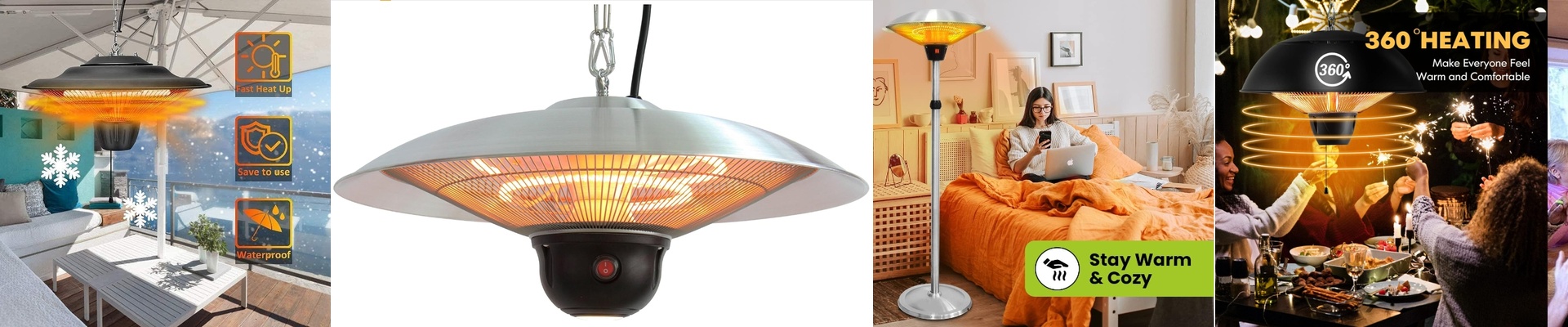
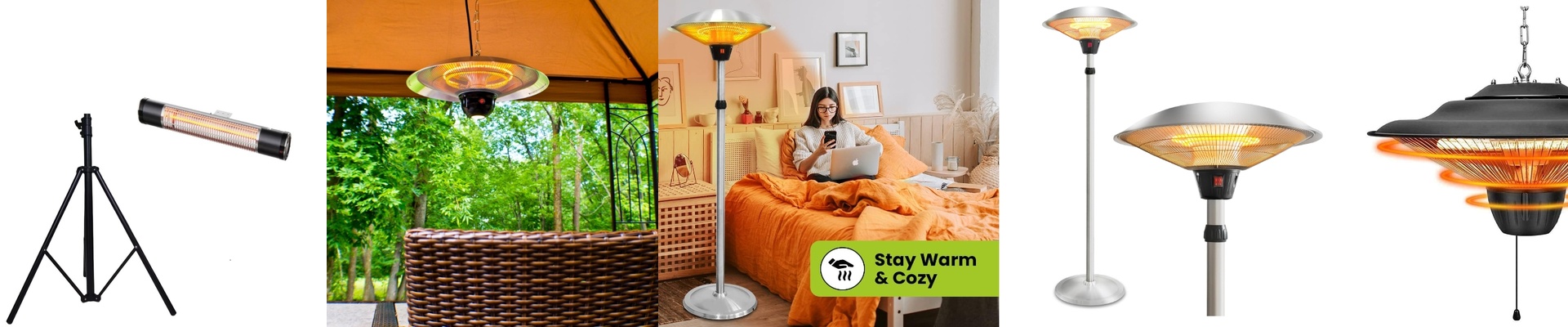
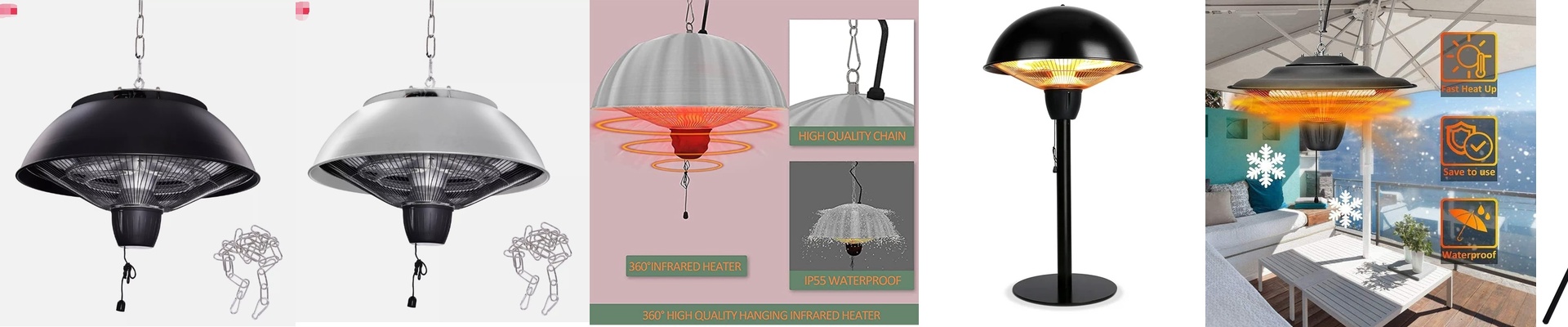

Step into a high-end coffee shop on a sharp morning and you pick up on it before you even spot the unit: a steady, even warmth that settles in without sending papers flying off the counter. That’s the sweet spot—instant comfort and a quiet operation—and it’s exactly why the best cafes run on our infrared fan heaters. And yes, looks matter. A clean profile and sharp lines back up the brand’s calm confidence, turning a practical heater into a piece that belongs in the space.
What actually matters, under the hood
We pair a responsive carbon-fiber infrared element with a low-noise fan to spread radiant warmth fast. The element comes up to temperature quickly, then holds steady so seating areas stay comfortable without a long warm-up wait. Power choices run from 1200W to 2000W to match the room, and the built-in thermostat keeps the set temperature so you’re not chasing spikes and dips. If you’re running it outdoors, go for an IP rating that keeps out splashes and dust. That protection is what keeps performance consistent as the weather turns. Safety is simple: tip-over protection shuts the heater off if it gets knocked, and the exterior stays cool enough to touch around the grille.
Why this setup fits coffee shops
Comfort is part of the product in a café. Patrons stick around longer when drafts aren’t pushing cold air across the table, and staff like a stable climate that doesn’t leave aprons feeling damp. The infrared warmth hits people and surfaces first, so you can keep the space comfortable without overdriving the heat. The design fits modern interiors and tight patios, and the gentle fan movement prevents that heavy, stuffy feel you can get with pure radiant heat. Energy use stays sensible, too—the heater recovers quickly when doors open and close, so you don’t feel the swing.
The practical stuff you’ll want to plan for
Place the heater at least 3 feet from anything combustible, and keep it clear of table edges where drinks could get tipped. For outdoor spots, a GFCI outlet is the right match. In very humid conditions, give the unit a little extra drying time before you store it—protecting the internals is worth the extra few minutes.