
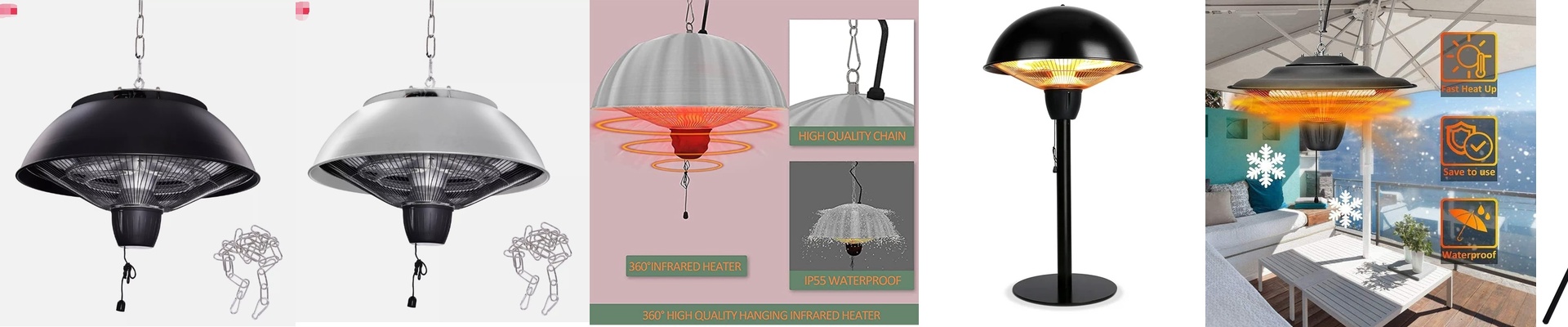


Fixing IP55 Table Heaters Without the Headache
If you’ve ever worked with IP55 waterproof table heaters, you know the deal. They’re great at keeping dust and water sprays out of the electronics, but that tight sealing usually turns a simple repair into a total nightmare. When a heating element burns out in a standard sealed unit, you’re usually stuck with two bad options: toss the whole expensive housing in the trash, or spend half your afternoon fighting with stubborn gaskets and messy sealants. We thought that was ridiculous. So, we did things differently.
The “Slide-and-Swap” Way
Instead of sealing everything into one permanent block, we built our infrared modules to be drop-in replacements. Think of it like a drawer. The heating element and its connection point are all tucked into a single slide-out tray or a simple clip-in bracket. Imagine it’s been five years of heavy use and a tube finally gives up. You don’t have to strip the whole machine down to the bones. You just pop the lock, slide out the dead unit, and slide in a fresh one. It takes minutes. Not hours.
Keeping it Dry (and Easy)
Now, you can’t just leave holes in a waterproof heater. To keep that IP55 rating, we use reinforced seals and compression gaskets right where the module meets the frame. You still get that “wash-down” protection, but you don’t have to sacrifice your sanity when it’s time for maintenance. And please, no one likes soldering in a cramped, dark chassis. That’s why we use quick-connect terminals. You just unplug the old one and plug in the new one. Simple.
The Honest Truth
Here’s the thing: modular designs mean more connection points. In a world of fully welded heaters, every joint is a spot where a leak could happen if you aren’t careful. To keep the water out, you’ve got to make sure those locking clips are snapped in all the way. And a pro tip? If your gaskets look dry or cracked after a few years, just swap out the seal kit when you replace the tube. It’s a small step that keeps the moisture from creeping in.