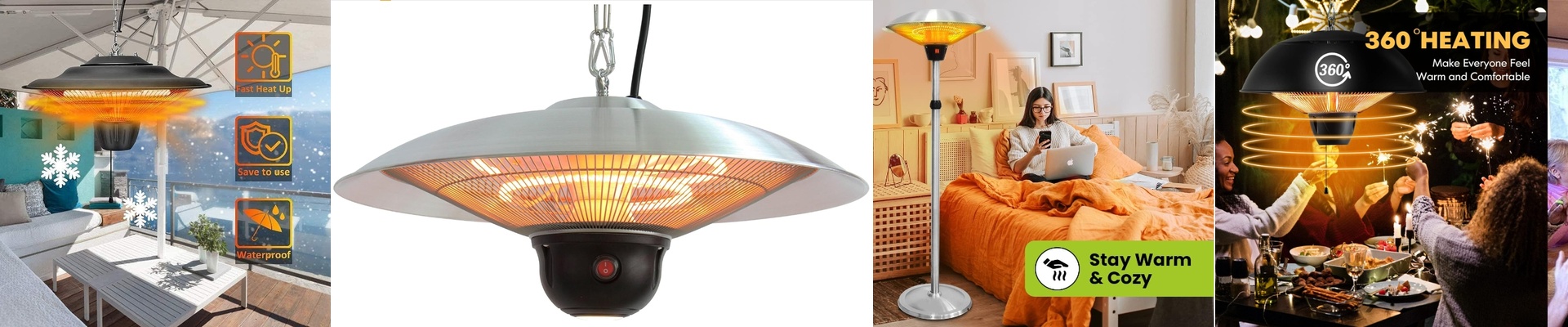
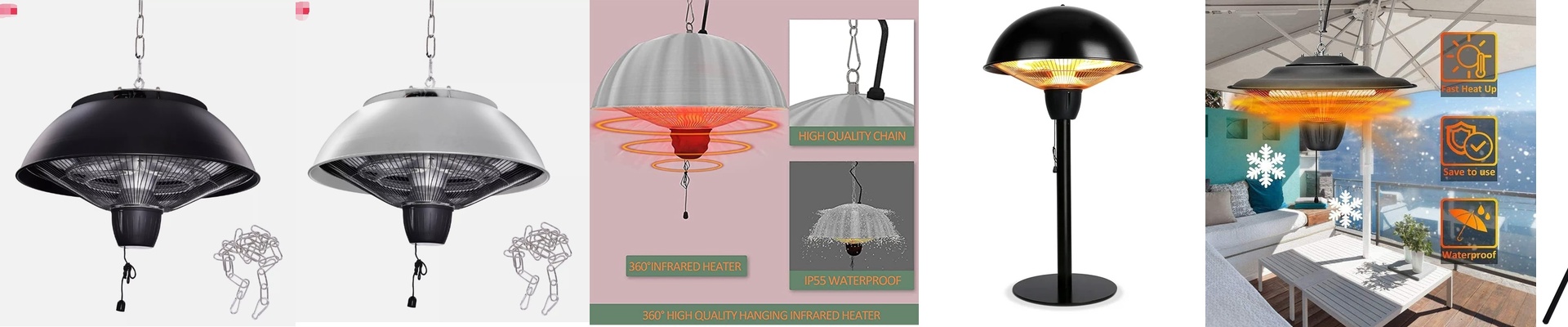
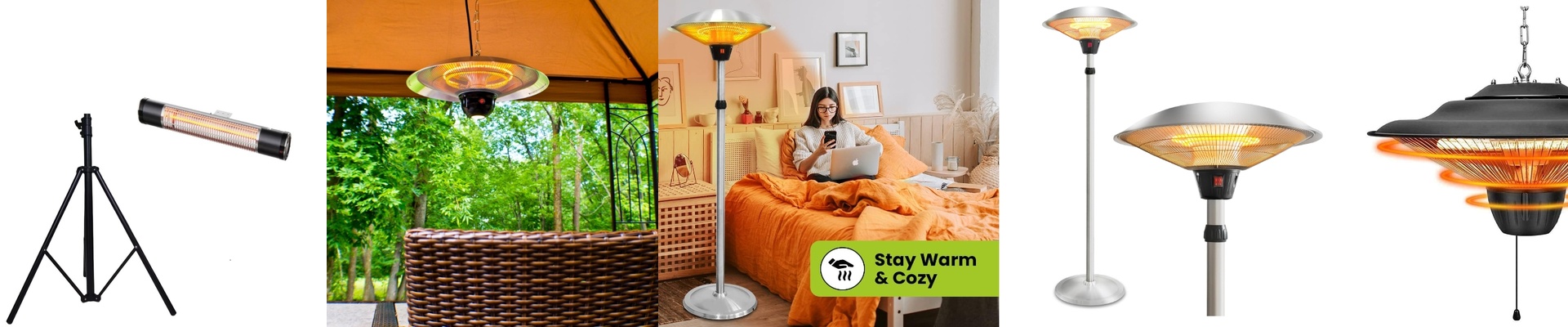

Out in a remote home, you know the routine. The kerosene smell that works its way into curtains. The soot that stains the air. The headaches that follow, and the flame that dances every time a draft sneaks through a crack. We swapped all that mess for something cleaner: an electric infrared heater, sized for small spaces.
What matters under the hood
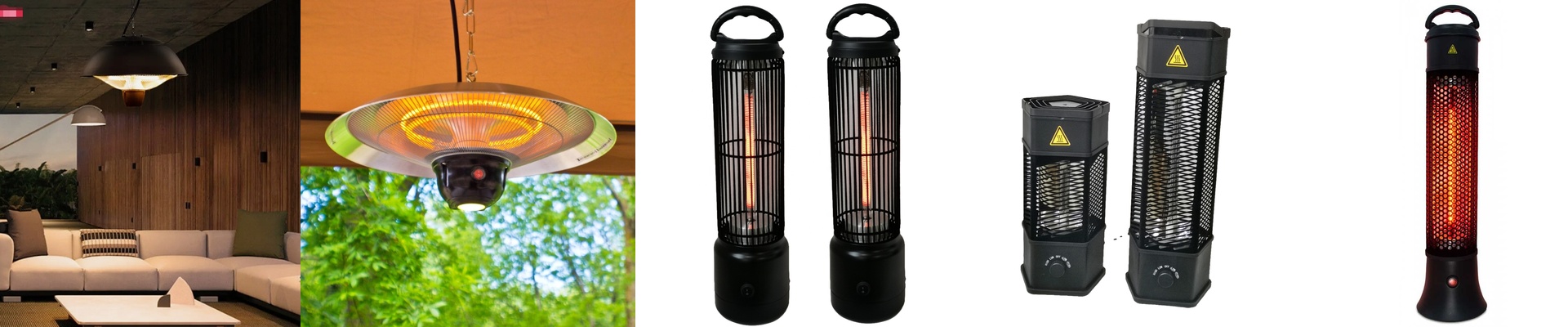
We went with an electric infrared heater that uses a carbon fiber element, paired with a quartz tube. It delivers radiant heat without burning up the air in the room. It runs quietly, plugs into a standard outlet, and sends warmth where you actually feel it—on people, floors, and furnishings—instead of wasting energy heating the ceiling. The footprint is compact, so it fits on a table or under a desk, and the built-in thermostat holds the temperature steady rather than letting it swing wildly.
Why this setup fits the job
The moment you ditch kerosene, indoor air quality takes a step up. No fuel storage. No spill risk. No soot. Infrared warmth hits fast, so you feel cozy sooner, and the room never gets that heavy, stuffy feel. For remote households, that translates to fewer headaches, less irritation, and a heat source you can count on that doesn’t rely on an open flame. Because the heater warms objects directly, comfort stays consistent even when the air itself feels cooler.
The details that make the difference
Infrared warms what it can see, so the strongest heat is in the direct line of sight. Position it to reach the main seating area, and you’ll feel it. This unit is designed for indoor use—keep it away from water and moisture. And while it’s small, it still draws power: check your circuit and plug it into a dedicated outlet so you don’t trip breakers. Get those basics right, and you end up with steady, clean comfort that makes indoor winters feel a lot more manageable.